Hemp and CO2: Hemp Oil Production Using Carbon Dioxide Extraction
Article summary:
Hemp Extraction Using CO2. Hemp Oil Production with Carbon Dioxide
Hemp Extraction Using CO2 vs. Butane Extraction (BHO extraction)
How Carbon Dioxide Extraction Works
Why Professionals Use CO2 Extraction More Often Than Home Growers
Hemp Oil Production on an Industrial Scale
Hemp Extraction Using CO2. Hemp Oil Production with Carbon Dioxide
There are several ways to produce hemp oil - hemp extract, sometimes also referred to as hash oil, both at home and industrial levels. Some people use solvents like alcohol or acetone. Others produce hemp extractions using compressed liquid gas, such as butane. However, one extraction method is particularly popular among hemp professionals: carbon dioxide (CO2) extraction. CO2 is readily available in the air we breathe and is produced by our bodies, making it perceived as part of the natural world around us.
Hemp Extraction Using CO2 vs. Butane Extraction (BHO extraction)
Carbon dioxide is a gas that occurs in the atmosphere at approximately 400 ppm (parts per million). Unlike many other substances used to produce hemp concentrates, it is also non-flammable. CO2 is an industrial gas that can be easily stored/transported in bottles and is widely used in gastronomy and brewing.
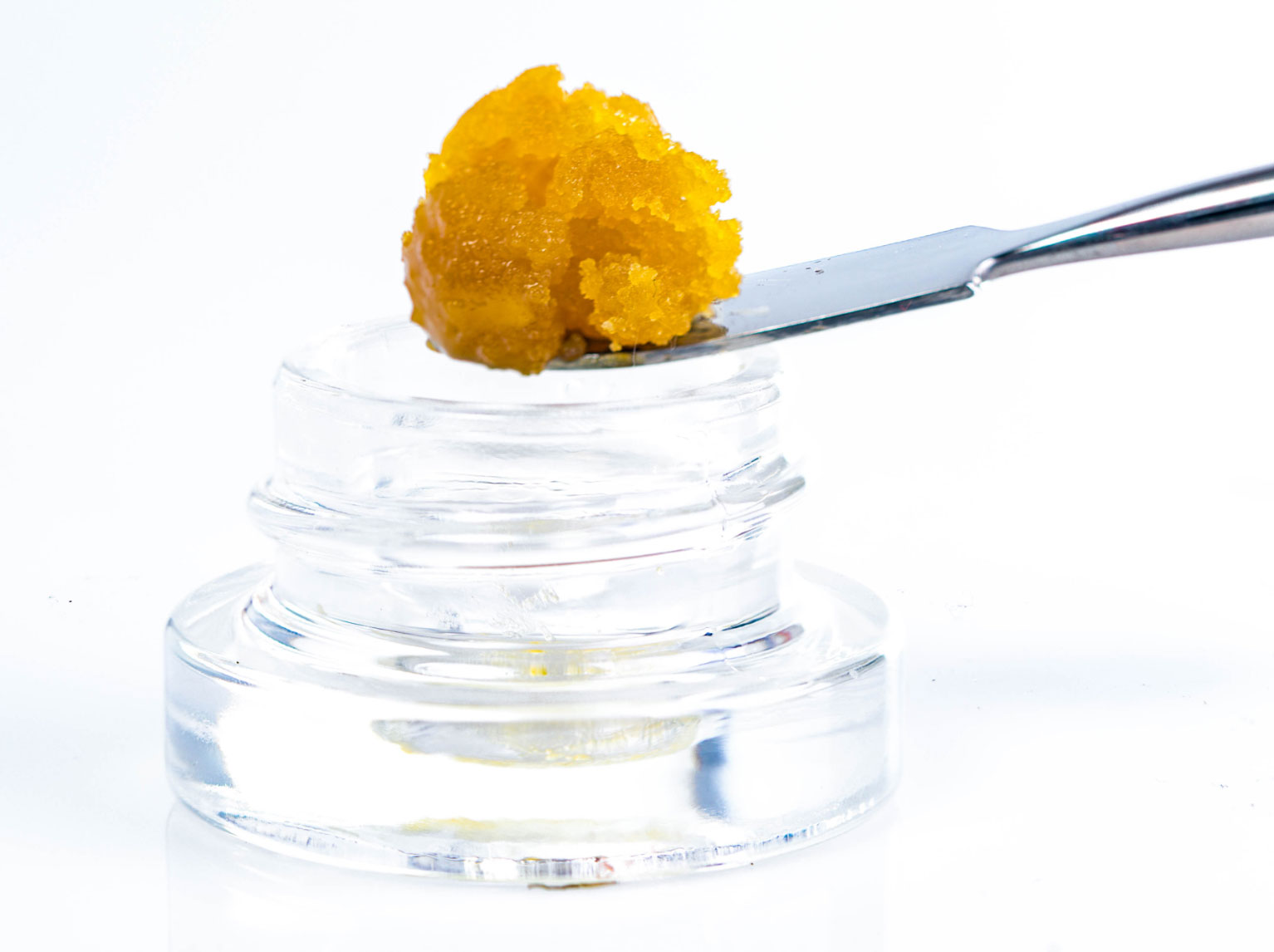
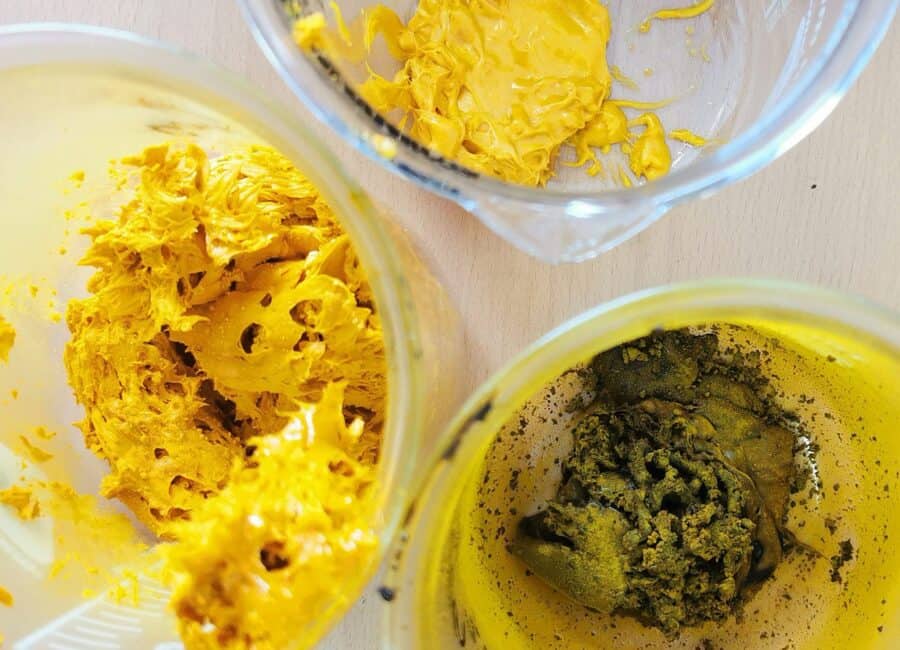
The magic of CO2 is that at low temperatures and high pressures, it behaves like a solvent and separates organic compounds from hemp leaves and flowers, such as terpenes and cannabinoids. Once the plant material is stripped of oils, terpenes, and cannabinoids, CO2 evaporates into the atmosphere, leaving a sticky substance between resin and pure hemp oil. There's no need to worry about removing even trace amounts of butane or alcohol. CO2 extractions are thus naturally clean, natural, and safe.