Hemp concentrates

Cannabis is an extraordinarily rich plant in terms of genetic diversity and chemical composition. To harness the full potential of the active compounds, scientists and researchers use concentrates such as CBD oils and tinctures, and terpenes (essential aromatic oils). But what exactly are cannabis concentrates? How are they created? Why is their quality so crucial for collectors of genetic material?

Production Methods of Cannabis Concentrates

Cannabis concentrates are obtained through various extraction techniques. The goal of the process is to separate the active compounds - which have the potential to create interesting aromatic and chemical profiles - from the unusable plant material. During the extraction process, a wide range of solvents is used, including:

  • Vegetable oils (such as coconut oil or hemp seed oil)
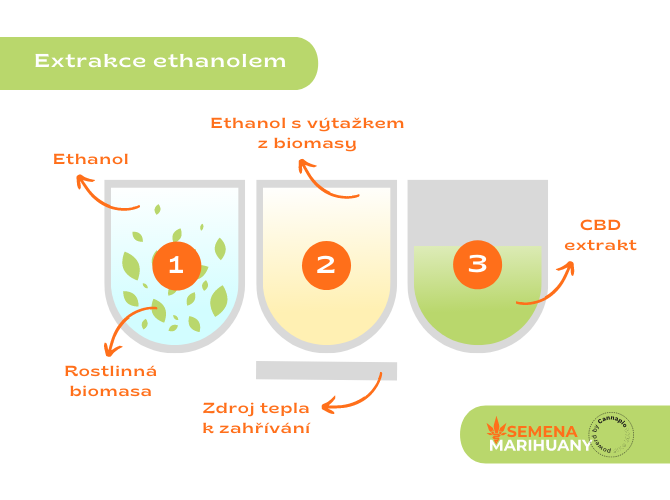
  • Ethanol (food-grade alcohol)
  • Gases such as CO2 or butane for more advanced extractions

The process of extracting compounds from cannabis plants is a complex procedure that requires precision and expertise. Each method has its advantages: CO2 extraction is known for its purity and preservation of delicate terpenes, while ethanol extraction is efficient for large-scale production.

Different Extract Types and Their Characteristics

For collectors of cannabis genetics, it is important to understand the different types of extracts. Full-spectrum extracts retain the complete cannabinoid profile of the original genetics, including all terpenes and flavonoids. Isolates, on the other hand, contain only one specific compound, such as pure CBD or specific terpenes.

Storage of Cannabis Concentrates

To preserve the genetic integrity and aromatic profiles of concentrates, proper storage is essential. To prevent degradation of valuable cannabinoids such as CBD, concentrates must not be exposed to direct light, oxygen, and high temperatures. The ideal storage location for CBD concentrates is the refrigerator, where they retain their quality for at least six months after opening.

Temperature fluctuations can affect the chemical composition of concentrates, which can alter their aromatic properties. Dark glass vials offer additional protection against UV radiation, which can break down terpenes.

Quality Aspects: What to Look for in Cannabis Concentrates

In recent years, cannabis concentrates have become popular research materials for genetics enthusiasts. However, on the market, high-quality products come into contact with inferior variants that capitalize on the general popularity of cannabinoids. A suspiciously low price may indicate an inferior concentrate that will only disappoint collectors.

When we consider how time-consuming the genetic development process is - from seed to mature plant, followed by complex extraction processes - a low price for the final product logically cannot inspire confidence.

Scientific Research into CBD Quality

The Prague laboratory of the Institute for Food Analysis and Nutrition can boast a world first in cannabidiol testing. In 2017, they evaluated 29 samples of CBD oils available in the EU within the Patient Focus Certification program.

The results were even worse than skeptical experts had anticipated:

  • Only 31% of the oils met the standards for polyaromatic hydrocarbons
  • 60% of the oils did not list information about possible THC content
  • 34% of the samples showed a discrepancy between actual and declared CBD and CBD + CBDA (cannabidiolic acid) content

These findings underline the importance of thorough quality control and transparency in the cannabis concentrate industry. For collectors of genetic material, it is crucial to choose products from reliable suppliers who conduct comprehensive laboratory testing.

Cannabis Concentrates versus Flowers: Which Is More Suitable?

For collectors interested in the full genetic expression of cannabis plants, there are important differences between dried flowers and concentrates. In addition to products enriched with cannabinoids, two primary options are usually offered - classic, dried cannabis flowers or cannabinoid concentrates.

Genetic Richness of Cannabis Flowers

High-quality flowers from cannabis plants are exceptionally rich in active compounds. These natural cannabinoids are located in resin glands, the trichomes, which cover the flowers and smaller leaves of cannabis. The highest concentration of these compounds is found in the flowers of female cannabis plants.

In addition to cannabinoids, cannabis plants produce approximately 400 other chemical compounds that work in synergy with each other. Particularly interesting are the therapeutic terpenes - aromatic molecules that, according to scientists, contribute significantly to the overall profile of cannabis cannabinoids.

Terpene Profiles and Aromatic Properties

For collectors of cannabis genetics, terpene profiles are crucial for understanding different cultivars. For example, the lavender-scented terpene linalool is known for its relaxing properties, while limonene produces citrusy aromas and is associated with energetic genetics.

These aromatic compounds not only determine the smell and taste of different cannabis strains but also influence their unique characteristics. Understanding terpene profiles helps collectors identify and catalogue different genetic lines.