Hemp Foods: Do They Spoil Over Time and How to Store Them Correctly?
The market for hemp-derived food products has seen remarkable growth in recent years, attracting the attention of collectors and genetics enthusiasts interested in the organoleptic properties and chemical profile of these preparations. These products represent an interesting way to study cannabinoids and terpenes in different forms, but like all foods they have a limited lifespan. Understanding the shelf life of these products is essential for preserving their original chemical characteristics and maintaining the integrity of the genetic material they represent.
Characteristics of hemp-based food products
Hemp-derived food products cover a wide range of preparations that incorporate extracts, oils or active compounds from the plant. Their chemical composition can vary significantly depending on the production method and the genetics used as a base. Among the most common types are:
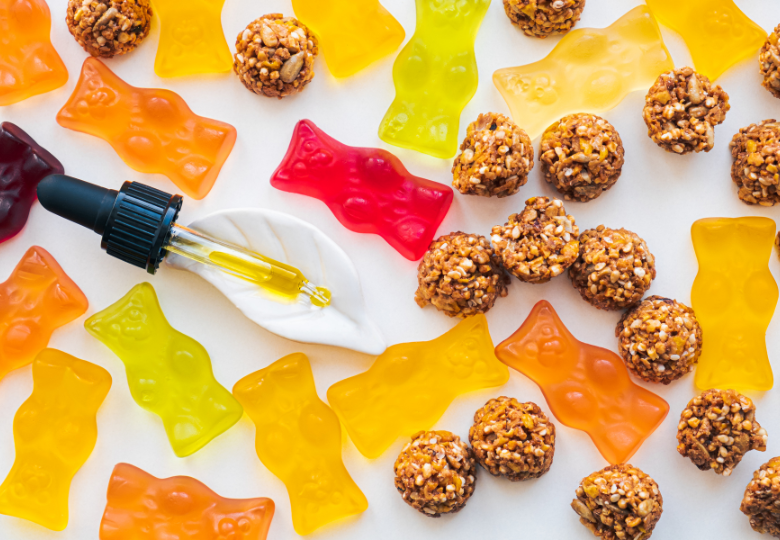
- Gummy candies with hemp extracts
- Chocolate confectionery preparations
- Biscuits enriched with hemp seed oils
- Specialised baked goods
- Functional beverages
- Concentrated capsules and tablets
- Flavoured chewing gum
Each type has a different storage profile, influenced not only by the base ingredients but also by the concentration and type of cannabinoids present. High-CBD genetics, for example, may behave differently during the ageing process than those with more complex terpene profiles.
Shelf life and degradation of active compounds
The stability over time of hemp-based food products depends on many factors. As a general rule, these products retain their optimal organoleptic properties for a period ranging from 6 to 12 months after production. However, deterioration does not affect only the conventional food ingredients, but also the delicate hemp compounds.
Cannabinoids tend to degrade over time through oxidation and spontaneous decarboxylation. THC, for instance, can gradually convert into CBN (cannabinol), altering the product's original chemical profile. This process is particularly relevant for those who study genetics, since the final composition may no longer reflect that of the original genetic variety.
The rate of deterioration varies considerably depending on the product type. Preparations such as brownies, rich in fats and fresh ingredients, tend to spoil faster than gummy candies, which often contain preservatives and have a reduced water content.
Optimal storage techniques
To preserve the integrity of the active hemp compounds and maintain the representative characteristics of the original genetics, it is essential to follow specific storage protocols. The three main enemies of these products are light, heat and oxygen, which accelerate degradation processes.
The ideal storage temperature lies between 12 and 22°C for most products. Gummy candies in particular benefit from this temperature range to maintain their consistency and the properties of the terpenes. For longer storage periods, refrigeration can significantly extend shelf life, while freezing can preserve products for up to six months while retaining most of their original properties.
Airtight containers are the optimal storage solution. Glass jars with airtight lids, vacuum containers or resealable bags drastically reduce exposure to oxygen. It is also important to protect products from direct light, which can accelerate the degradation of photosensitive cannabinoids and alter the aromatic profile of the terpenes.
Recognising deterioration
Recognising when a hemp-based food product has passed its optimal period is crucial for correctly assessing the genetic properties it represents. The signs of deterioration follow patterns similar to those of conventional foods, but with certain specifics related to hemp compounds.
Visual changes are often the first indicators: colour alterations, the appearance of spots or, in the most serious cases, mould growth. Gummy candies may harden and lose their characteristic elasticity, while baked goods can dry out excessively or develop rancid odours.
From an organoleptic point of view, changes in aroma may indicate alterations in the original terpene profile. A product that should represent a genetic line with citrus notes might develop rancid undertones or completely lose its distinctive aromatic characteristics.
Reduced potency is a subtler but significant aspect. While there are no home methods to precisely quantify cannabinoid degradation, a noticeable decrease in properties may indicate that the product has passed its qualitative peak.
Food safety considerations
From a food safety perspective, expired hemp-based products generally do not pose specific toxicological risks linked to cannabinoids, which are relatively stable and non-toxic compounds. However, as with all foods, the main risk comes from the potential growth of pathogenic microorganisms in the conventional food ingredients.
The risk assessment must take into account the specific type of product: high-moisture preparations carry greater risks than dry ones or those containing preservatives. In any case, products showing clear signs of deterioration, such as visible mould or suspicious odours, should be discarded regardless of the expiry date.
It is important to remember that passing the expiry date mainly means a loss of quality rather than health risks. The concentration of active compounds can decrease significantly, compromising how representative the product is of the original genetics it is meant to characterise.
Preserving genetic properties over time
For enthusiasts of collectible hemp genetics, maintaining the integrity of derived food products means preserving a representative sample of the varietal characteristics. Proper storage is not only about food safety, but also about maintaining the organoleptic properties that make each genetic line unique.
Terpene profiles, responsible for the characteristic aromas of each variety, are particularly volatile and sensitive to environmental conditions. Inadequate storage can lead to the loss of the distinctive notes that make it possible to identify and appreciate the different genetics represented in the products.
Similarly, the ratios between cannabinoids can shift over time, altering the chemical balance that characterises specific varieties. For this reason, the most attentive collectors often prefer to consume food products within 3 to 6 months of production, the period during which the properties remain most stable and most representative of the original genetics.