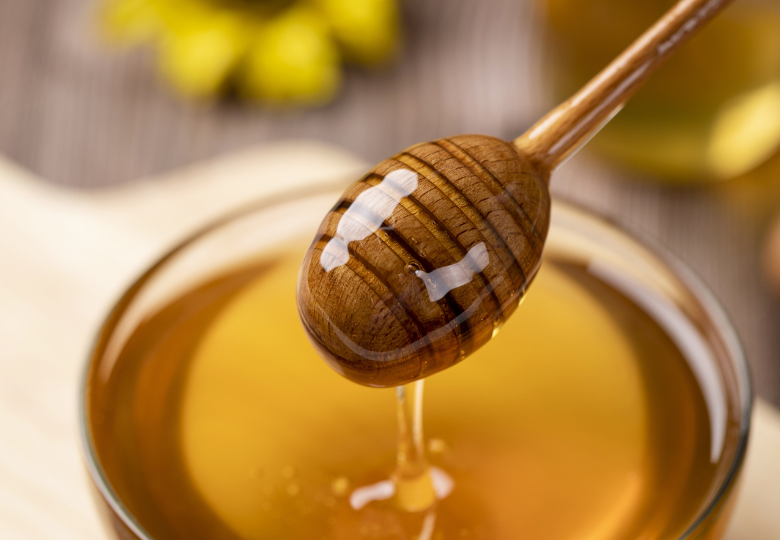
Hemp Honey: Step-by-Step Preparation

The Appeal of Honey Infused with Cannabis Genetics

In the world of artisanal hemp-derived products, cannabis honey represents one of the most refined creations, appreciated by connoisseurs. This sweet nectar combines two of nature's most precious gifts: honey, with its age-old nutritional properties, and collector cannabis genetics, known for their complex terpene and cannabinoid profiles.

Preparing this artisanal product allows enthusiasts to explore the unique aromatic characteristics of the different cannabis varieties, creating a sensory experience that celebrates the genetic diversity of this extraordinary plant. The result is a natural sweetener enriched with cannabis's bioactive compounds, perfect for anyone who wants to appreciate the chemical complexity of these collector genetics.

Activation Process: Decarboxylation of the Genetic Material

Before proceeding with the honey infusion, it is essential to understand the importance of decarboxylation, a chemical process that converts cannabinoid acids (such as CBDA and THCA) into their active forms (CBD and THC). This step is crucial for activating the bioactive compounds present in the plant material.

The decarboxylation process takes place through controlled heat application, which removes the carboxyl group (-COOH) from the molecules, making them bioavailable. For CBD-rich genetics, this process is particularly important for maximizing the potential of the cannabinoids.

Decarboxylation Procedure

  • Preheat the oven to 115-120°C to ensure a constant temperature
  • Evenly spread the finely ground plant material on a baking tray lined with parchment paper
  • Bake for 35-40 minutes, gently stirring every 10 minutes
  • The material is ready when it turns a golden-brown color and crumbles easily
  • Allow to cool completely before use

Traditional Recipe for Cannabis Honey

Preparing infused honey requires patience and attention to detail, but the final result amply rewards the effort. This traditional method allows for the gentle extraction of the fat-soluble compounds from cannabis, preserving the integrity of the terpenes and cannabinoids.

Ingredients Needed

  • 500 grams of high-quality honey (preferably raw and unpasteurized)
  • 3-5 grams of decarboxylated genetic material
  • Sterile gauze or fine cotton cloth
  • Kitchen twine

Detailed Procedure

The infusion process uses gentle heat to extract the desired compounds without degrading the more delicate molecules. Controlled temperature is essential for preserving the integrity of the terpenes, responsible for each variety's characteristic aromatic profile.

  • Wrap the decarboxylated material in the gauze, creating a well-sealed, airtight pouch
  • Submerge the pouch in the honey inside a heavy-bottomed pot
  • Heat in a water bath, keeping the temperature between 85-95°C
  • Let it infuse for 6-8 hours, stirring occasionally with a wooden spoon
  • Remove the pouch and gently squeeze it to recover the remaining honey
  • Strain through a fine sieve to remove any particles
  • Store in sterilized glass containers away from light

Optimizing the Aromatic Profile and Storage

For the best results, it is advisable to select genetics with terpene profiles that complement the type of honey chosen. Myrcene-rich varieties pair perfectly with floral honeys, while those with a high limonene content enhance citrus honeys.

Tips for Selecting Genetics

  • Prefer collector varieties with a high CBD content to maximize the beneficial properties
  • Consider the terpene profile: pinene, limonene and linalool offer distinctive aromatic notes
  • Experiment with blends of different genetics to create complex, unique profiles
  • Record the proportions used to replicate the most successful blends

Professional Storage Techniques

Proper storage is essential to keep the finished product's organoleptic properties unchanged. Cannabis honey, if stored properly, can retain its characteristics for several months.

  • Use dark glass containers to protect against UV light
  • Store at room temperature in a cool, dry place
  • Avoid temperature fluctuations that could alter the consistency
  • Label clearly with the production date and the genetics used
  • Check periodically for signs of crystallization or other changes

Culinary Applications and Versatility of Use

Cannabis honey lends itself to numerous culinary applications, from simply sweetening hot beverages to preparing gourmet desserts. Its versatility makes it a valuable ingredient for chefs and cooking enthusiasts who want to explore new gastronomic horizons.

It can be used as a substitute for traditional honey in pastry-making, added to herbal teas and infusions, or used in preparing marinades for meat and glazes for vegetables. The key is to dose it carefully, starting with small amounts to gauge the intensity of the aromatic profile.

For enthusiasts wishing to delve deeper into the world of collector genetics, this honey offers a refined way to appreciate the biochemical diversity of cannabis varieties, celebrating the richness of this extraordinary plant's genetic heritage.