
How Cannabis Can Affect Fertility - Study
The discovery of the endocannabinoid system in humans in the 90s triggered an avalanche of studies investigating how cannabis influences various human body functions. Not only the public, but also scientific teams worldwide are seeking answers to numerous questions regarding cannabis consumption. One of these is the question - can cannabis affect users' fertility? Today, we'll focus on some interesting research that addressed this topic...
How Does Cannabis Relate to Fertility?
Historically, it is proven that cannabis is indeed an effective herb that can help on all fronts. However, as with everything we do or consume, we always encounter the same golden rule that less is sometimes more.
If you want to avoid risks associated with THC cannabis in some cases, it is advisable to completely stop using it. Alternatively, replace it with CBD-rich cannabis. CBD releases serotonin (happiness hormone) and helps our body function in a harmonious rhythm. In fighting stress, CBD is truly highly effective. The harmony of physical and mental health is crucial when trying to conceive.
The ECS - endocannabinoid system is crucial and its receptors are located in both male and female bodies. It influences a wide range of psychological and physiological processes, including reproductive ability. It is also found in endocrine glands that directly participate in fertility and reproduction.
However, how can cannabis relate to fertility, or infertility and reproduction mechanisms? It is important to distinguish what type of cannabis we are talking about. The following article primarily discusses long-term use of high-THC cannabis (unless otherwise stated) and its impacts on male and female fertility.
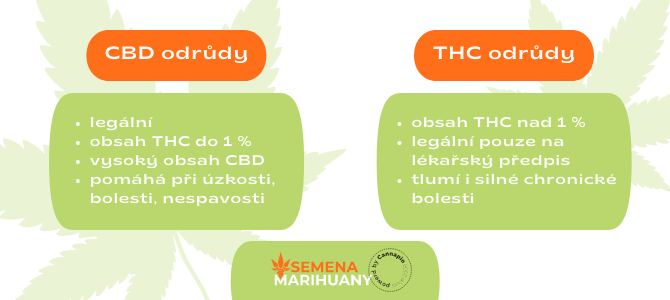
Difference between CBD and THC cannabis varieties.
Cannabis Use in Men: Impact on Sperm
In 2015, a study revealed that 29% of THC cannabis users experienced a reduction in sperm count. This unsatisfactory result led many experts to believe that cannabis is not beneficial to fertility.
However, in 2019, a study focused on male infertility was conducted. Paradoxically, participants who voluntarily reported recreational cannabis use had a higher sperm count than the rest of the study sample.
Whether marijuana use is truly responsible for sperm reduction is debatable. Nevertheless, the risk exists.
Cannabis Use in Women: Impact on Fertility and Sexual Appetite
Preliminary evidence suggests that marijuana consumption may reduce female fertility by interrupting hypothalamic release of the hormone known as "gonadotropin". This leads to decreased estrogen and progesterone production, thereby disrupting menstrual cycles.
Simultaneously, the balanced function of ovaries may be disrupted, which is also a significant problem when trying to conceive. On the other hand, it is proven that cannabis use before sexual intercourse led to improved sex quality, increased desire, and influenced orgasm ability. However, cannabis use is not recommended when trying to conceive.
Successful reproduction requires detailed regulation of the endocannabinoid system, where some cannabinoids (especially THC) could disrupt this delicate balance in the female reproductive system.
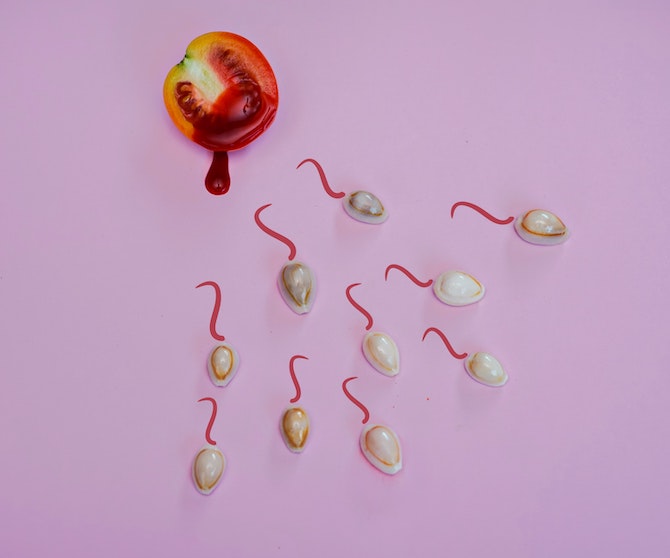
Exposure to high doses of marijuana can lead to reduced sperm production.
Clinical Endocannabinoid Deficiency
The theory of clinical endocannabinoid deficiency was first proposed by Dr. Ethan Russo. He assumes that when the endocannabinoid system is out of balance, the risk of inflammation and immune disorders increases. The research was subjected to a comprehensive study in 2016, led by Dr. Russo himself.
CBD can help increase anandamide levels, thereby supporting the ovulation cycle and helping with other factors affecting infertility, such as stress and anxiety. He comments on the study: "Stress generally has a negative impact on fertility in both men and women, as it prevents egg and sperm production and other steps necessary for pregnancy. Stress suppression can have a positive effect on the entire fertilization process."
The director of nutrition counseling in Boston, Hillary Wright, claims that she cannot ignore the potential benefits of CBD in increasing fertility, but there is still not enough research to support them. She reportedly sees no problem with consuming CBD products without psychoactive THC components, but her assumptions need to be confirmed.

Good news for couples are research results indicating that cannabis use does not significantly affect the time needed to get pregnant.
Research results generally suggest that pregnant women and women trying to get pregnant should not use THC-containing cannabis.
Support the harmony of your body and mind with CBD oil. Choose from our wide range in our e-shop.
Similar Articles
- Cannabis Use in Women Before and During Pregnancy /Self-Report/ (STUDY 2019)
- Cannabis and Women's Health
- Does CBD Act Toxically on the Liver?
- Why Does Cannabis Affect Men and Women Differently?
- Can CBD Boost Your Productivity and Work Performance?
- Cannabis Use During Pregnancy and Impact on Child's Cognitive Function Development - Study 2020
- More Than 10 Ways to Support the Endocannabinoid System Without Cannabis