
How long do photoperiodic hemp seeds grow?
When preparing for the cannabis growing season, one of the first questions to consider is whether you want to grow photoperiodic or autoflowering plants. For many years, light-sensitive cannabisphotoperiod was the only option. In this article, we will precisely analyze what photoperiodic cannabis varieties are, what they offer, and how long their growth takes.
What Are Photoperiodic Cannabis Varieties?
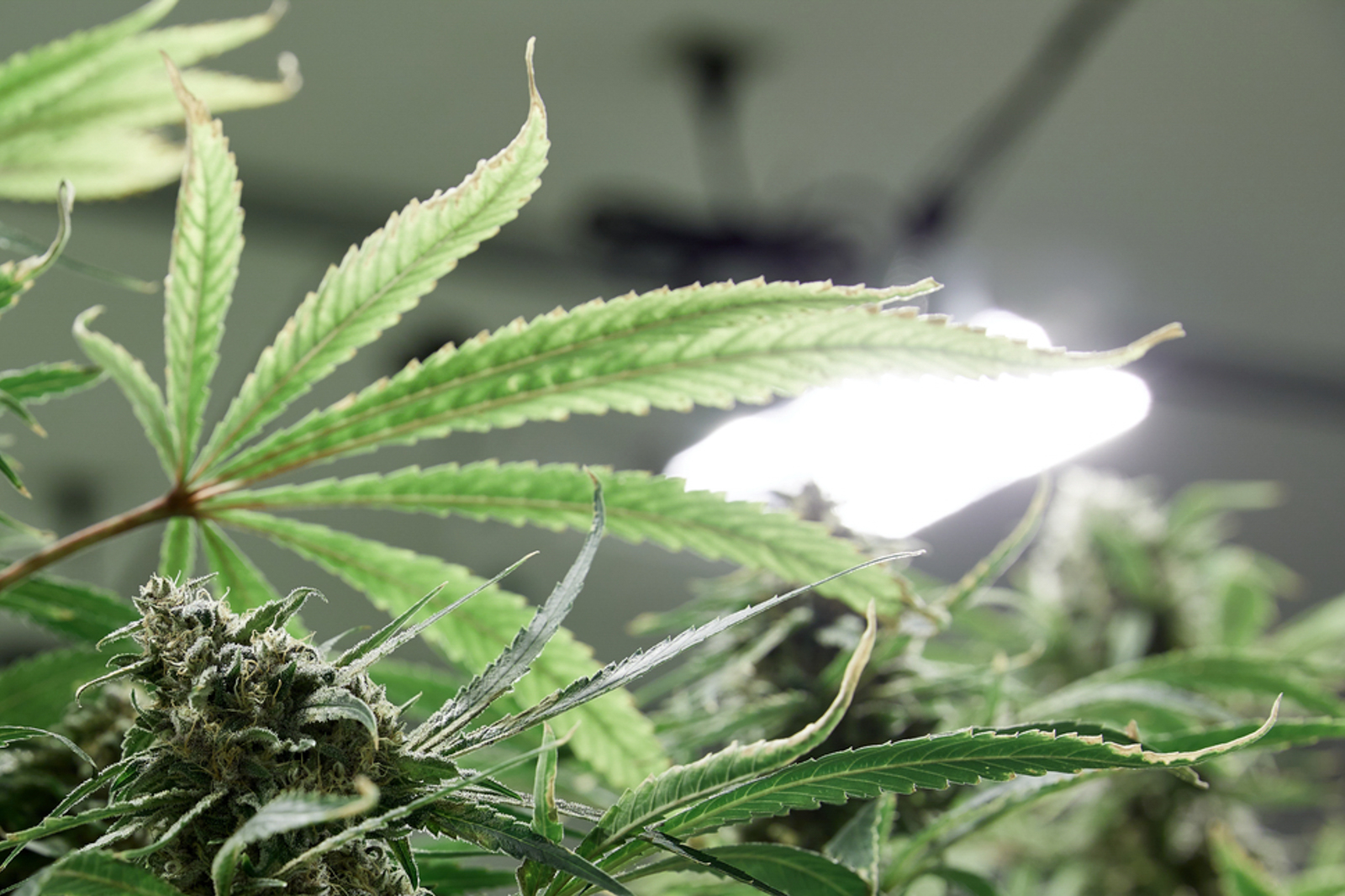
Photoperiodic cannabis plants are the source of most cannabis available on the market. Photoperiodism means determining the length of light to which a plant is exposed. A photoperiodic plant refers to light and dark cycle changes.
It's no secret that cannabis plants need sunlight (or lighting) to grow and flower. They need it to perform photosynthesis. Cannabis photoperiod depends on receiving the necessary hours of light to develop properly. Most photoperiodic cannabis varieties flower when they are in darkness for at least 12 hours. For faster growth, lighting cycles where the plant receives more light than darkness are most suitable (20h/4h). Once the stem reaches the flowering phase, it should have an average of 15 hours or less of light.
For outdoor-grown plants, this means they start flowering at the end of summer and will be ready for harvest in September or October. Indoors, it's up to the grower to shorten the light cycle to 12 hours on and 12 hours off to simulate seasonal changes.
The difference from other varieties is that the development of photoperiodic cannabis seeds depends on the amount of light they receive. Therefore, they are ideal for indoor growers who can easily influence growth through lighting. Photoperiodic cannabis seeds also develop well outdoors, provided they have enough daylight.