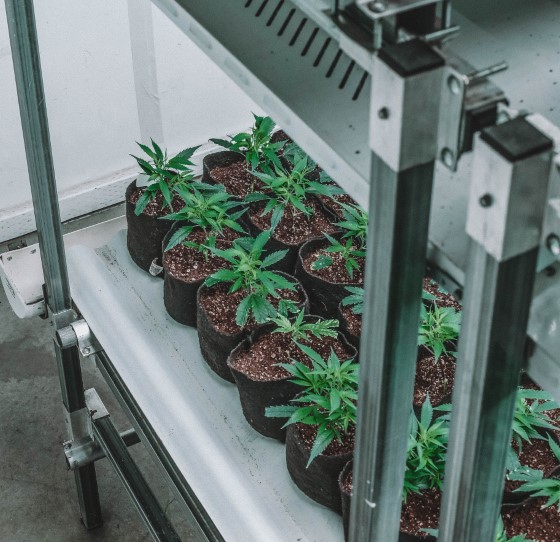
How to Successfully Clone (Take Cuttings from) Cannabis?

Cannabis Cloning: Preserving Genetic Traits for Collectors

For cannabis enthusiasts and genetics collectors, there are two main methods for preserving valuable genetic lines: gathering collector's seeds or creating clones (cuttings). Cloning offers a fascinating way to preserve identical genetic copies of exceptional mother plants. This technique has been used in the plant world for centuries and plays an important role in preserving specific genetic traits and aroma profiles.

In the cannabis world, cloning refers to taking cuttings from a selected mother plant. These genetic duplicates retain all the traits of the original plant, including cannabinoid profiles, terpene composition, and growth characteristics. For collectors, this represents a unique opportunity to preserve valuable genetics indefinitely.

The Scientific Benefits of Cannabis Cloning

Predictable Genetic Traits

The greatest advantage of cloning lies in the predictability of genetic traits. When you select a mother plant with exceptional qualities - such as a unique terpene profile, specific cannabinoid ratios, or distinctive growth patterns - every clone will produce identical traits. This stands in contrast to seed propagation, where each seed shows genetic variation, even within the same strain.

The chemical composition of clones remains consistent. If the mother plant, for example, is known for its citrusy, limonene-dominant terpene profile, all the resulting clones will retain the same aromatic character. This genetic stability makes cloning valuable for preserving rare or exceptional genetic lines.

Time Savings in Genetic Research

Cloning eliminates the germination phase associated with seed propagation. While seeds need time to germinate and develop into full-grown plants, clones start with a head start. They already have developed leaf structures and only need to form roots. This process can be supported with natural rooting stimulants.

Sex Certainty in Genetic Lines

A crucial advantage for genetics collectors is sex certainty. Clones of female plants always remain female, which is essential since female plants produce the desired flowers rich in cannabinoids and terpenes. With regular seeds, there is a 50% chance of male plants, which are mainly valuable for seed production and breeding projects.

Female plants from CBD-rich genetics develop flowers full of complex chemical compounds, including various cannabinoids such as CBD, CBG, and CBC, as well as a range of terpenes that each contribute their own unique aroma characteristics.

Challenges and Considerations in Cannabis Cloning

Quality Selection of Mother Plants

The quality of clones depends entirely on the genetic quality of the mother plant. It is therefore crucial to select mother plants that come from high-quality, stable genetic lines. For collectors, this underscores the importance of obtaining genetic material from reputable sources known for their quality control and genetic stability.

When selecting suitable genetic material for cloning, it is essential to pay attention to the origin and certification of the plant material. Quality genetics show consistent growth behavior, stable cannabinoid profiles, and reliable terpene expression.

Technical Precision Required

The cloning process requires precision and careful handling. Cuttings are sensitive plant parts that need specific environmental conditions to root successfully. Factors such as temperature stability, humidity, light intensity, and substrate choice all play a critical role in the success rate.

The rooting phase is particularly delicate. Cuttings need a consistently moist environment, but must not become too wet to avoid rot. Optimal temperatures usually range between 20-25°C, with a relative humidity of 70-80%. Using suitable substrates such as rockwool, perlite, or specialized rooting media can significantly improve the success rate.

Genetic Stability Across Generations

Although cloning preserves genetic traits, subtle genetic deviations can occur after multiple cloning cycles. This phenomenon, known as genetic drift, can manifest as reduced vitality, altered growth patterns, or unstable cannabinoid profiles. Experienced collectors therefore apply strict protocols for managing mother plants and monitoring genetic stability.

To preserve genetic integrity, it is recommended to regularly select new mother plants from seed populations and keep detailed records of cloning generations. This helps identify any genetic degradation before it has a significant impact on the collection.

Practical Considerations for Genetics Collectors

For serious cannabis genetics collectors, cloning offers a powerful method for preserving and documenting valuable genetic lines. Keeping mother plants of exceptional phenotypes makes it possible to keep this genetics available for future research and analysis.

It is important to emphasize that all activities involving cannabis genetics must take place within the applicable legal framework. Collectors must comply with local legislation regarding the possession and handling of cannabis plant material. In many jurisdictions, there are specific regulations for research, medicinal purposes, or industrial hemp cultivation.

The art of cannabis cloning combines scientific precision with genetic appreciation. For collectors interested in preserving unique aroma profiles and cannabinoid composition, cloning offers a direct method of preserving these genetic treasures for future generations of researchers and enthusiasts.