Maximize CBD Effects: 5 Foods for Better Absorption
The alliance between nutrition and cannabidiol: understanding optimal absorption
Cannabidiol (CBD) is one of the most studied cannabinoids found in collector's cannabis seeds. This fascinating molecule, extracted from the genetic material of these exceptional varieties, generates growing interest for its unique properties at the molecular level. However, the effectiveness of this substance depends not only on its intrinsic quality, but also on how our body assimilates it.
CBD bioavailability is a determining factor in fully harnessing the potential of this cannabinoid, and it can be significantly influenced by our daily diet. Understanding the interactions between certain foods and CBD makes it possible to optimize its intestinal absorption and improve its circulation throughout the body.
Scientific research shows that certain dietary substances act as absorption facilitators, creating remarkable synergies with cannabinoid compounds. These complex interactions involve sophisticated enzymatic mechanisms that are worth exploring to better understand the potential of these CBD-rich collector's seeds.
Lipids: essential carriers for cannabinoid assimilation
Dietary fats play a fundamental role in CBD absorption. This molecule has pronounced lipophilicity, meaning it shows a particular affinity for lipid environments. This biochemical characteristic explains why consuming quality lipids at the same time can considerably improve the bioavailability of cannabidiol.
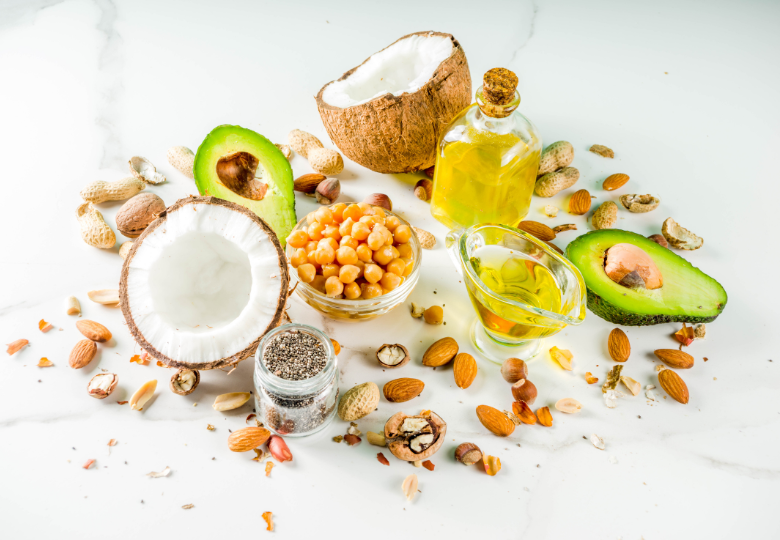
Among the most effective lipid sources are:
- Extra-virgin olive oil: rich in monounsaturated fatty acids
- Coconut oil: containing medium-chain triglycerides
- Avocados: a source of essential fatty acids
- Nuts and almonds: providing omega-3 and omega-6
These lipids create a favorable environment in the digestive tract, allowing CBD to dissolve effectively. The process involves the formation of lipid micelles that encapsulate cannabidiol molecules, facilitating their passage through the intestinal barrier. This natural synergy maximizes absorption and prolongs the presence of CBD in the bloodstream.
Mechanism of action of fatty acids
Fatty acids don't just carry CBD; they also alter its hepatic metabolism. The cytochrome P450 enzyme system can be modulated by certain lipids, thereby influencing the duration of action and intensity of the properties of cannabidiol in the body.
Spices and bioactive compounds: natural amplifiers
Certain spices contain bioactive molecules capable of interacting synergistically with CBD. These complex interactions involve enzymatic mechanisms that can either inhibit the breakdown of cannabidiol or facilitate its intestinal absorption.
Black pepper and piperine
Black pepper contains a remarkable substance called piperine. This alkaloid molecule has the unique ability to inhibit certain detoxification enzymes, particularly those responsible for the rapid metabolization of CBD. By slowing down this breakdown process, piperine extends the half-life of cannabidiol in the body.
Piperine also acts on intestinal permeability, creating favorable conditions for improved transepithelial absorption. This property explains why adding freshly ground black pepper can significantly potentiate the effects of CBD.
Turmeric and its modulating properties
Curcumin, the active compound in turmeric, has remarkable anti-inflammatory properties that can create an optimal intestinal environment for CBD absorption. This polyphenolic molecule alters the expression of certain metabolic enzymes, thereby influencing the pharmacokinetics of cannabidiol.
The turmeric-CBD combination generates a therapeutic synergy effect in which each compound amplifies the properties of the other. This bidirectional interaction is a fascinating example of the complexity of molecular interactions in our body.
Antioxidants and flavonoids: cellular optimizers
The natural antioxidants found in certain foods can considerably improve the effectiveness of CBD by protecting its molecules from oxidation and optimizing their cellular transport.
Citrus fruits and vitamin C
Citrus fruits such as lemons, oranges, and grapefruits contain high concentrations of vitamin C and flavonoids. These compounds create an antioxidant environment that preserves the molecular integrity of CBD throughout the digestive process.
Vitamin C acts as an enzymatic cofactor, facilitating certain biochemical reactions involved in the absorption and transport of cannabidiol. This natural synergy explains why consuming fresh citrus fruits can potentiate the properties of CBD.
Black tea and polyphenols
Black tea contains a variety of polyphenols, including theaflavins and thearubigins, which have remarkable modulating properties. These compounds can influence intestinal enzymatic activity, creating favorable conditions for better CBD bioavailability.
The catechins found in tea also interact with membrane transport systems, facilitating the transepithelial passage of cannabinoids. This complex interaction demonstrates the importance of considering diet as a determining factor in optimizing the properties of CBD.
Nutritional strategies to maximize effectiveness
Optimizing CBD absorption requires a holistic approach to nutrition. It's not simply a matter of adding isolated foods, but of creating synergistic combinations that maximize bioavailability.
An effective strategy is to combine several of these foods in the same meal. For example, an avocado salad dressed with olive oil, seasoned with turmeric and black pepper, and accompanied by a citrus drink creates an optimal environment for CBD absorption.
It is also essential to consider the timing of consumption. CBD absorption is generally optimal during meals containing lipids, as this stimulates bile production and improves the solubilization of lipophilic compounds.
This thoughtful nutritional approach makes it possible to fully harness the extraordinary genetic potential contained in collector's cannabis seeds, reflecting the richness and complexity of these exceptional varieties preserved for collection and genetic study purposes.