
Medicinal Cannabis as a Healthy Snack
- Even a complete cannabis novice knows that eating fresh cannabis won't achieve the desired psychoactive effect (unless planning to consume an entire bowl of top-tier product). Does this plant have any value before heating and activating psychoactive THC? It seems so, and as is typical with medicinal cannabis, beneficial effects are not in short supply.
Cannabis Raw Diet?
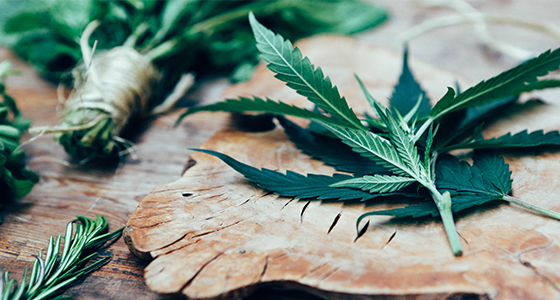
Cannabis can easily be called a superfood. This unique plant contains more than 400 chemical compounds: vitamins, minerals, essential oils, and amino acids. The incredible number of beneficial substances impressed the current cannabis expert, Dr. William Courtney, who is not afraid to call cannabis a "necessary part of the diet".
However, the most important nutritional property of raw cannabis is likely the high content of cannabinoid acids, which are extremely important for proper cell function.
Cannabinoid Acids
Studies currently focus on two main cannabinoid acids found in fresh cannabis: THCa and CDBa (more in the article "Medicinal Cannabinoids 3: THCA").
The conversion of these acids to the more familiar THC and CBD occurs through heat - by vaporization, smoking, or cooking and food preparation. This process is generally called decarboxylation. Active THC and CBD bring the human body a significant range of therapeutic effects, with the only disadvantage being that the body can only absorb a limited amount. Dr. William Courtney explains the difference as follows:
"We now have a series of varieties called ACDC. 'AC' means alternative cannabinoid, which is a CBD molecule that is gaining more and more fame for its therapeutic properties. 'DC' means dietary cannabis. [...] If you apply this variety using a heating method, you'll reach a dose of about 10mg. If you don't heat it and consume it fresh, you can reach a dose of 1-2000mg."
By eating cannabis, you can easily achieve very high doses of CBDa and THCa. The body then breaks down and metabolizes these cannabinoid acids into nutrients according to current needs.
Consuming cannabinoid acids is particularly important for their positive effect on the body's endocannabinoid system (more in the article "Introduction to the Endocannabinoid System").
Increased intake of cannabinoid acids could be the key to preventing chronic diseases caused by a lack of endocannabinoids, such as:
- Migraines
- Irritable Bowel Syndrome
- Glaucoma
- Fibromyalgia (more in the article "Fibromyalgia, or the Constant Feeling of Fatigue)
Dr. Courtney suggests that high doses of cannabinoid acids CBDa and THCa could potentially be more effective than their subsequent "offspring" CBD and THC. Specifically, he talks about greater benefits regarding:
- Anti-inflammatory effects
- Benefits for diabetics
- Anti-ischemic effects (In ischemia, blood vessels constrict in certain body parts, limiting blood supply)
Cannabis as a Nutritional Bomb
As with all living things, nutrients are an essential energy source for our body's proper daily functioning. For example, our body cannot produce the crucial serotonin, an absolutely essential neurotransmitter, without the supply of key B vitamins. Like many other leafy vegetables, fresh cannabis offers a wide range of nutrients and proteins. The key ones include:
Terpenes
Terpenes are essential oils found in varying proportions in cannabis and most other plants. These substances carry their own set of therapeutic effects, but their effects increase when combined with cannabinoids. The most well-known are:
- Linalool: A flower-lavender scented terpene with analgesic, anti-inflammatory, and anticonvulsant effects.
- Pinene: Reminiscent of coniferous trees, this terpene primarily acts neuroprotectively - strengthening the nervous system's function
- Limonene: As the name suggests, this terpene is from the fresher citrus scent spectrum - helps lower cholesterol and improves metabolic functions
When consuming fresh cannabis, the quality of the terpene effect increases. More information about terpenes can be found in the article "Terpenes - What's Behind Cannabis Aroma".
Omega 3 & 6 Fatty Acids
Cannabis foods have recently become a hit for a simple reason - cannabis leaves and seeds are a high-quality protein source and contain a perfect, balanced ratio of essential omega 3 & 6 fatty acids. Both of these substances are extremely important for our body and must be consumed through food, as the body cannot produce them on its own.
Essential fatty acids are key to human brain health. The human brain is about 60% composed of fats, so to avoid neurodegenerative disorders, we must ensure a regular intake of the right fats. Additionally, essential fatty acids help maintain the endocannabinoid system in balance.
Essential Amino Acids
Cannabis also contains all essential amino acids and is thus a complete plant-based protein source. Like essential fatty acids, protein must be obtained from an external source. Amino acids are essential for proper cell function, the ability to repair damaged tissue, and nutrient transfer.
They are present in cannabis leaves, but the highest concentration can be found in seeds (more in the article "Cannabis Seeds - Universal Nutrition Source").
Antioxidants
Not without reason did the US federal government patent CBD - its antioxidant and neuroprotective effects are enormous. Antioxidants are absolutely essential for preventing cell damage that leads to health deterioration and serious diseases.
Moreover, it seems that CBD is an even more effective antioxidant than vitamin C and E. By consuming fresh cannabis, you can achieve very high antioxidant doses.
As you can see, medicinal cannabis can be an excellent ingredient in smoothies!
And you, our readers? Have you experienced consuming cannabis in raw form? Share your opinions and experiences in the comments section!
Sources: herb.co ncbi youtube.com ncbi