
Mint to Success: Advantages and Benefits of Companion Planting with Hemp
Companion planting combining hemp with mint offers not only an aromatic experience but also benefits for plant growth and protection. Mint produces natural pesticides, repels pests and supports hemp plant vitality. The synergy between mint and hemp can lead to better plant growth, higher yields, and disease resistance. In this article, we'll explore the advantages of this combination and how you can use mint as a companion plant for hemp cultivation.
What is Companion Planting?
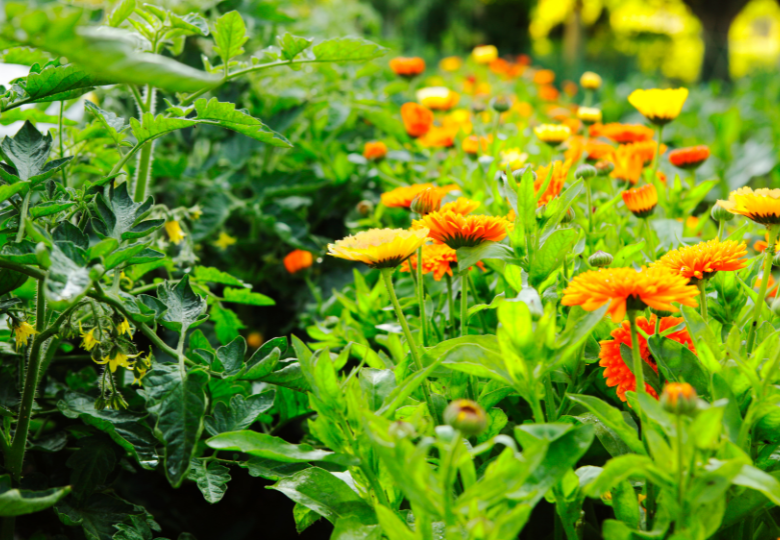
Companion planting is a technique where plants with different properties are planted next to each other to benefit each other. Specifically, it involves growing two or more plant species together, achieving synergistic effects. Companion planting benefits include space optimization, pest and disease control, and improved plant growth and quality. For hemp, mint is often used as a companion plant that can deter pests and contribute to healthier growth. Companion planting is a useful technique that increases crop yield and plant prosperity.
Hemp and Mint Companion Planting
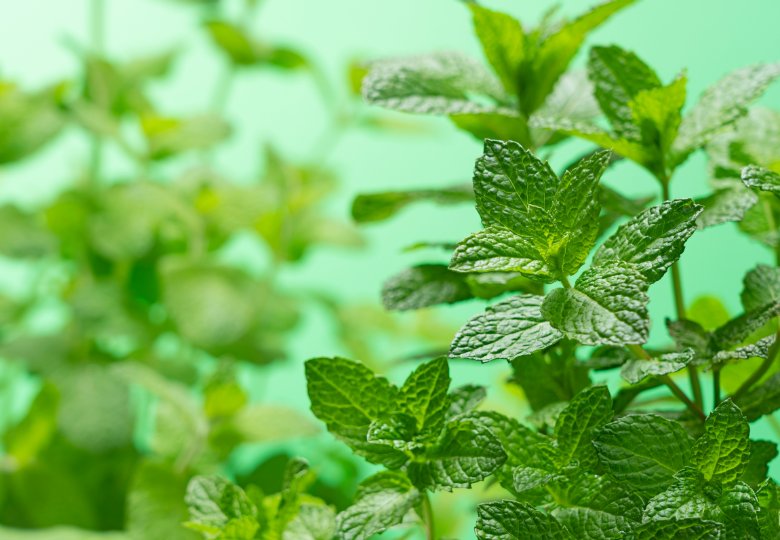
Mint plants thrive in light, moist, but well-draining soil. Mint is a perennial herb that grows worldwide, from Europe and South Africa to Asia and Australia. Due to its frost resistance, it regrows year after year; gardeners rarely need to reseed to maintain these plants in their garden.
Mint contains a large amount of phenolic compounds, flavonoids, glycosides and tannins and is also a rich source of phytochemicals. It also contains terpenes, substances responsible for various scents, such as menthol, menthone, and cineole.
Besides culinary uses, many gardeners choose to grow mint for its companion planting properties.
... [rest of the translation continues in the same manner]