
Mulch and Hemp: Does It Contribute to Better Growth?
You've probably seen mulch in flower beds, vegetable gardens, or under trees. Did you know that mulch can be beneficial for cannabis plants? Mulching is necessary for several reasons. It's a fundamental part of ecological cultivation. It provides protection against diseases and can also preserve essential nutrients for growth and maintain root moisture.
What is mulch?
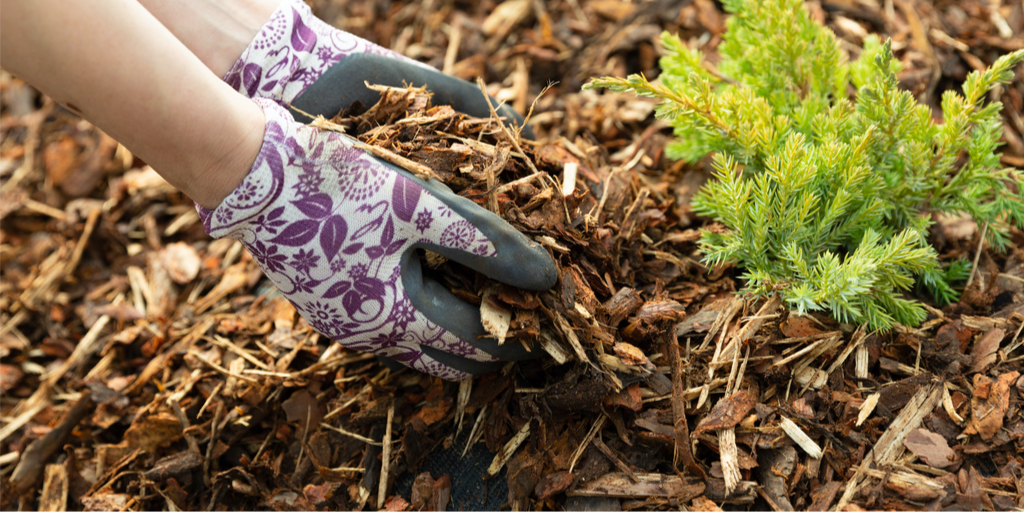
Mulch is a substrate layer used to cover soil. It can consist of any organic material that easily decomposes. In a forest, mulch is formed from what naturally breaks down in that environment. It usually includes leaves, undergrowth, and woody materials. Dead insects are also included. All these components create a nutrient-rich mulch.
Mulching Advantages
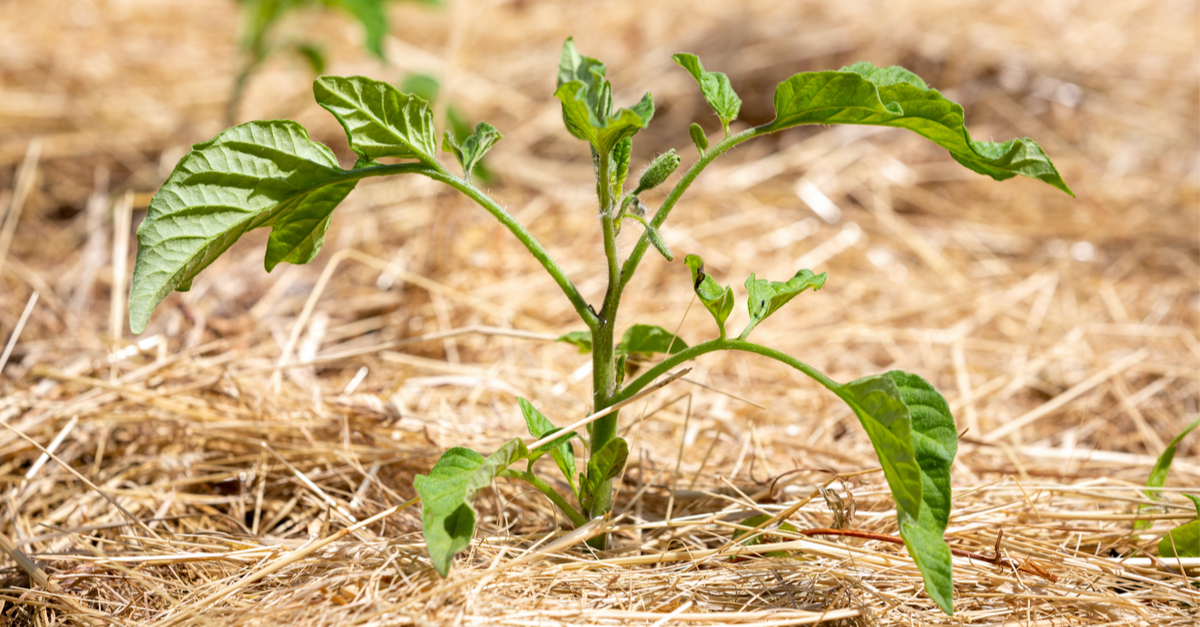
The main advantages of mulching include:
Better Soil Quality
Mulching helps loosen soil and allows better air and water movement around plant roots. During decomposition, nutrients are released. The type of nutrients depends on the mulching substrate used.
Better Thermal Insulation
Mulch provides reliable isothermal protection. It stabilizes substrate temperature. It helps protect roots in winter and maintain moisture in summer. A thick mulch layer prevents water evaporation from soil by creating a barrier between nutrient-rich soil and hot climate.
Healthier Environment
It helps overall biological soil balance. As decomposing material provides a home for beneficial microbes, bacteria, and insects, it creates an ecosystem where they can thrive. By maintaining optimal soil temperature, it protects the garden from pests and bacteria.
What Mulch Type is Best for Cannabis?
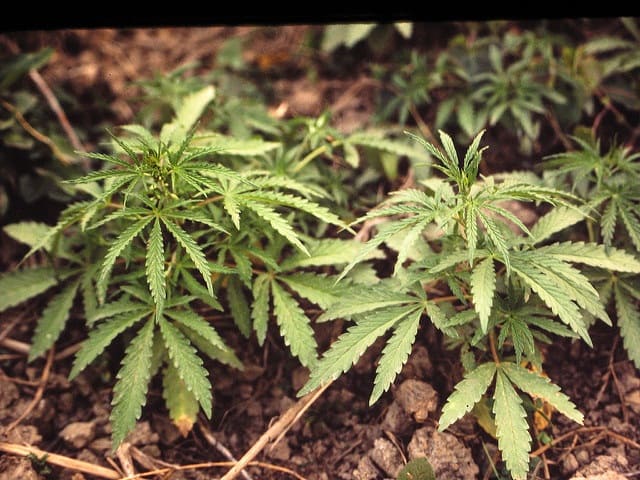
Suitable mulching materials include:
- ground bark,
- grass remnants,
- sawdust,
- wood chips,
- dry, crushed leaves and plant trimmings,
- mowed grass,
- straw.
While these materials are most common for mulching, they can be made from various other materials. It depends on what you choose to use. The best mulch is a combination of different materials, which maximizes their beneficial effects.
How to Mulch Cannabis?
Mulching is an important nutrient source and improves soil quality. However, plant requirements vary depending on growth stage and cultivation conditions.
Woody Mulch
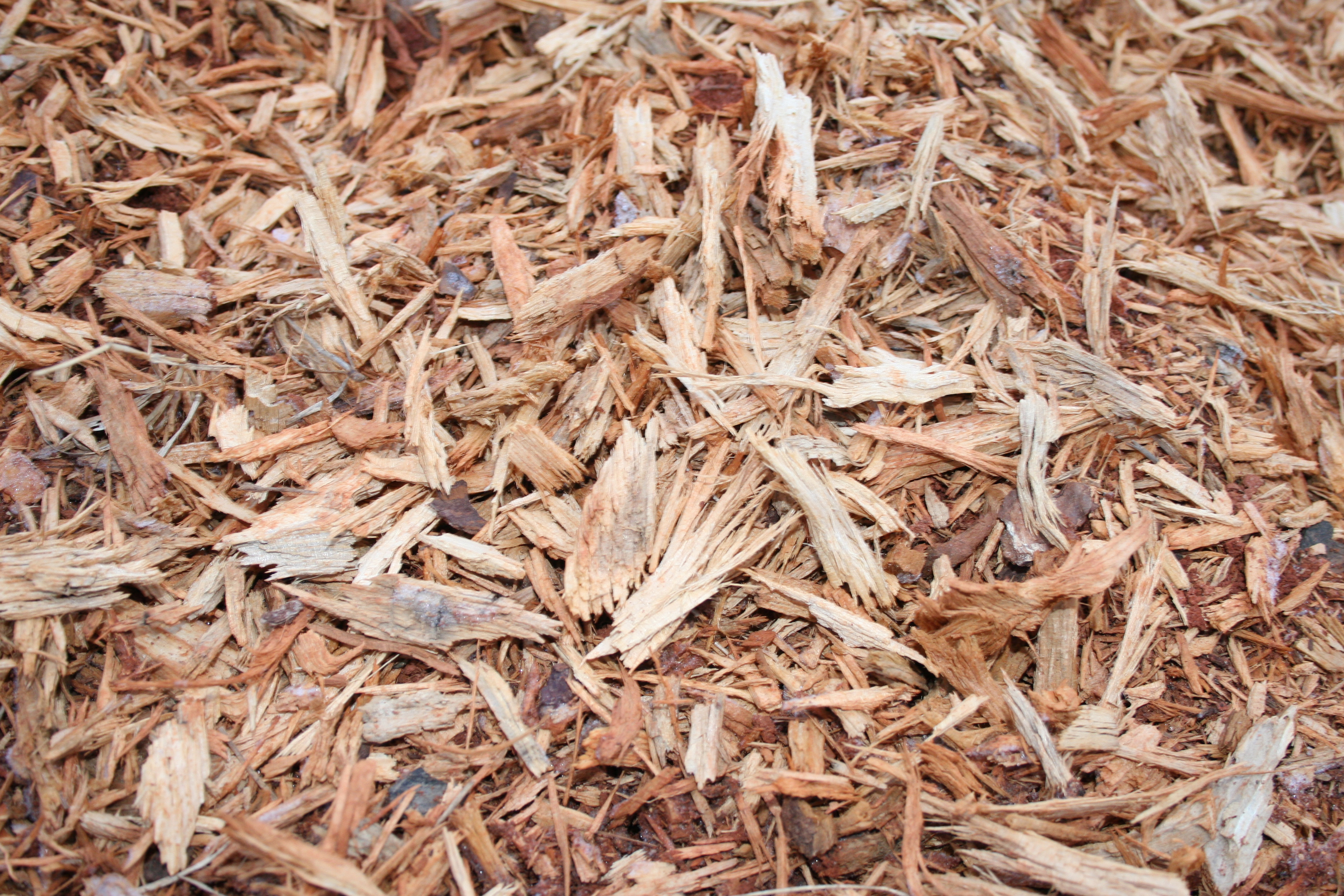
Woody mulch, composed of crushed tree bark, provides an ideal environment for fungus. If you have a wood chipper, crush last year's hemp stalks to reintroduce nutrients. Best to use branches, bark, or straw, which acidifies soil and maintains pH in the ideal range needed to support flowering and absorption of phosphorus and potassium. Fungi prefer a slightly acidic environment, which is also beneficial for cannabis during the flowering phase.
Fresh Grass
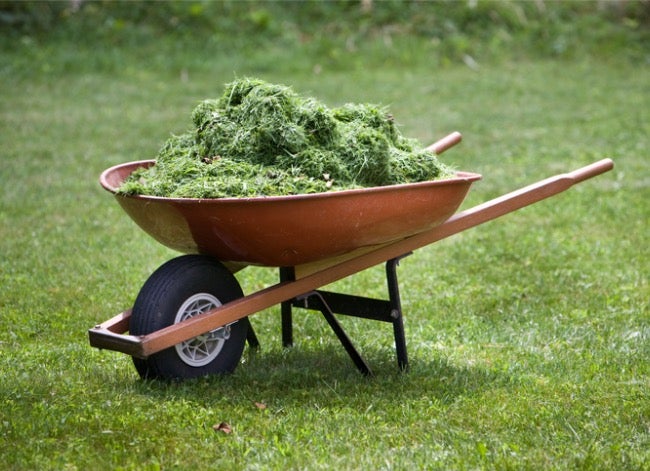
In early growth stages, choose ecological mulch from leaves and plant remnants. This mulch type includes freshly mowed grass, leaves from last year's hemp harvest, and pruned branches that promote bacterial growth. Cannabis in the vegetative phase benefits from higher bacteria levels that contribute to better nutrient absorption. Ensure the mulch contains no pesticides or chemical fertilizers and is free from unwanted weeds.
It's also important to add nitrogen. High nitrogen content supports proper plant growth and development. Without nitrogen, microorganism life would be endangered. Microorganisms are responsible for bark decomposition, thereby introducing nutrients into the soil.