
Natural Hemp: Terpenes and Effects - Bisabolol
- In the previous episode about unknown aromatic compounds found in medical cannabis flowers, we took a close look at myrcene and phellandrene
- In today's article, we'll explore the equally fascinating chamomile bisabolol
Terpene Profiles
Bisabolol is a terpene that can be found in noticeable and detectable amounts (recognizable by smell) mostly in chamomile flowers, the rare "Candeia tree", or in certain medical cannabis varieties.
Your nose would certainly recognize this terpene without any problem. It features a pleasant, almost cozy aroma comparable to chamomile tea, honey, and well-ripened apples.
Terpenes – Bisabolol Effects
The main therapeutic effects of bisabolol include:
- Antimicrobial
- Antioxidant
- Antifungal
- Analgesic
- Anti-inflammatory
- Anti-irritant
Moreover, the bisabolol terpene is characterized by increasing skin permeability. As a result, it enhances the potential effectiveness of various ointments and creams.
Antibacterial and Antifungal Effects of Bisabolol
The antibacterial effects and beneficial effects of bisabolol against various fungi have recently become a focus of scientific interest.
During research on antifungal effects, bisabolol was tested against the commonly occurring Staphylococcus aureus strain.
Beyond this strain, researchers explored effects on other common fungal infections.
Study results demonstrated sufficient effectiveness and safety of bisabolol as a suitable additive to cosmetics, food, and various antifungal ointments for healthy skin.
Another similar study found that bisabolol is particularly effective for treating candida, one of the most common fungal infections.
Furthermore, the antioxidant effects of bisabolol were confirmed as capable of reversing oxidative stress caused by the "Candida albicans fungus".
Additionally, some research observed favorable effects (comparable in effectiveness to pharmaceutical drugs) of bisabolol in treating certain parasitic liver and spleen diseases.
Finally, the antimicrobial effects of bisabolol were tested both alone and in combination with tea tree oil against bacteria causing bad breath.
Studies reveal that bisabolol is an ideal complement to oral hygiene products.
Anti-inflammatory and Skin Healing Effects
More promising results come from research on the effectiveness of bisabolol against skin inflammation.
Positive results were achieved by researchers in tests on infected cells and through direct application of bisabolol to patients' skin.
Similar to how cannabinoids from cannabis bind to the body's endocannabinoid system receptors, bisabolol molecules interact with specific chemical "antennas" such as proteins of the body's anti-inflammatory systems.
Subsequent tests further revealed the effectiveness of bisabolol on skin inflammation caused by irritating chemicals.
The only case where bisabolol failed against inflammatory reaction was in tests against allergic skin effects.
Stomach Ulcer Treatment
The beneficial qualities of bisabolol were also confirmed during tests for stomach ulcer treatment.
Researchers specifically found that bisabolol can protect the stomach wall in mice exposed to indomethacin.
Mice not given bisabolol had significantly less stomach resilience and a higher chance of ulcers.
During human patient tests, it was discovered that bisabolol was more effective in treating skin ulcers than standard creams.
Promising Anti-Carcinogenic Effects of Bisabolol
During earlier antioxidant effect research, it further emerged that this cannabis terpene is quite promising in oncological conditions.
Researchers tested the anti-carcinogenic effect of bisabolol using leukemia-affected cell tests.
During its action, bisabolol can enter cells by binding to a certain type of pro-apoptotic proteins and thus trigger a chemical process leading to "programming" the death of cancer cells.
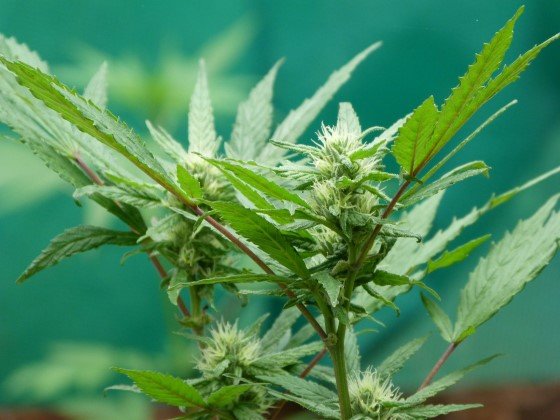
Cannabis Varieties Rich in Bisabolol
Finding cannabis varieties containing sufficient amounts of bisabolol is currently quite challenging.
However, before specially cultivated marijuana models tested for all possible terpene content become available on the market, you can always rely on your sense of smell.
Generally, it can be said that your nose is absolutely the best guide when selecting a variety suitable for you.
Our sense of smell is a highly developed chemical detector that can always be relied upon when choosing from the many available cannabis varieties.