Ocimene: a terpene worth noting
Terpenes are organic compounds found in plants. The proportion of individual terpenes and their specific combination is responsible for the characteristic aroma of these plants.
Cannabis sativa contains up to 140 of these terpenes, and each of them has significant therapeutic potential.
Today, we'll take a closer look at the terpene called ocimene, which is found in cannabis and many other plants, including hops, mango, basil, lavender, orchid, and pepper.

Infinity CBD is a highly quality, feminized, and very popular strain.
Monoterpene called ocimene
Ocimene is represented in different cannabis varieties in varying proportions. It is also the second most abundant terpene, characterized by a sweet, fruity aromatic profile with woody undertones.
This terpene is used in the perfume industry, but attention is also largely devoted to its medicinal potential.
Cannabis varieties containing ocimene
If you're asking in which specific cannabis varieties you can find this terpene, the answer would be very long. However, if we focus on varieties where the monoterpene ocimene is most represented, these primarily include: Dream Queen, Clementine, Dutch treat, or Golden Pinnaple.
Therapeutic properties of ocimene
Let's start with plants and insects. Here, we can show how important ocimene is and what abilities it has. In plants, ocimene is a warrior that deters pests, such as dangerous aphids for cannabis, and if we look at the insect kingdom, ocimene is a pheromone that attracts bees and simultaneously influences the entire bee colony's functioning. In these two worlds, you can see that ocimene is truly a powerful terpene, and its other properties open the gate to our medicine.
- Fighting diabetes and hypertension
In 2013, scientists took a closer look at the essential oil obtained from black pepper. It turned out that this oil has strong antioxidant effects and can reduce the activity of enzymes associated with type 2 diabetes and hypertension.
After a closer analysis of this oil, it was discovered that ocimene is its main component, and it appeared that its presence is indeed crucial for the oil's antioxidant effects.
- Anti-inflammatory effects
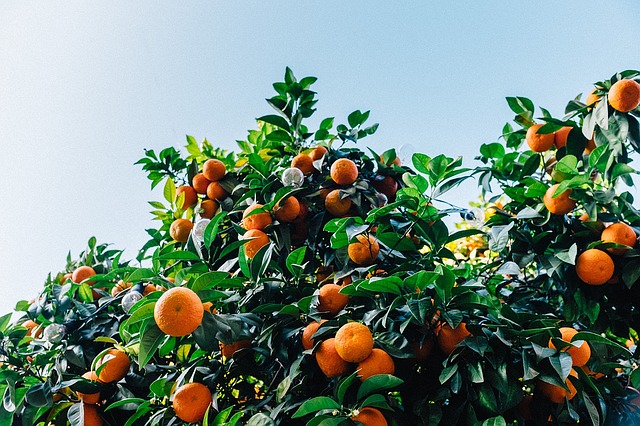
A 2014 study revealed that ocimene has significant anti-inflammatory effects. In this study, ocimene was obtained from the Satsuma plant, similar to a mandarin. In the examined essential oil from this plant, ocimene was represented by almost 6%, and it was surprising to find that this oil could suppress the production of inflammatory substances released by the immune system itself.
- Additional therapeutic abilities of ocimene
Further research tracking ocimene's nature in various essential oils concluded that this terpene indeed has significant antiviral, antibacterial, and antiseptic effects. Its ability to kill mold is widely used in treating infections and skin diseases.
In the book Essential Oils in Food Preservation, Flavor and Safety, the essential oil obtained from Tarragon was examined in detail. Among its components was ocimene, and the oil's properties confirm the above-summarized facts. Thanks to its properties, it also acted as protection against molds and fungi and its strong future potential in the food industry was outlined, as it can replace chemical preservatives protecting food from spoilage or contamination.
- Mosquito-borne diseases
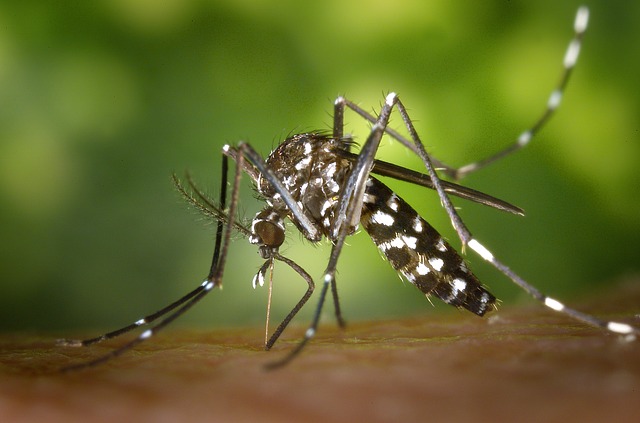
Mosquitoes can undoubtedly drive a person crazy. However, there are countries where mosquitoes often transmit dangerous diseases, making the fight against them more than just a battle with annoying buzzing.
You surely know that mosquitoes don't like certain scents, and if these are released in an area, mosquitoes prefer not to stay there. These "citrus scents" are caused by terpenes, primarily the terpene limonene. But more on that another time. Now, let's look at how ocimene relates to this.
In 2017, a study was published addressing how a sustainable fight against mosquito invasions should proceed. The research also focused on mosquitoes transmitting the Zika virus. The use of synthetic insecticides is becoming an unsustainable problem for nature and humans.
The essential oil obtained from the Blumea eriantha plant, of which ocimene is a significant component, came into focus. Researchers concluded that ocimene could be proposed as a potential alternative for developing environmentally friendly tools to control mosquito reproduction.