Quality of Hemp Flowers - CBD Flowers

Quality Identification in CBD Flowers for Collectors

The cannabis world has experienced extraordinary growth in recent years, especially in the field of collector seeds and high-quality genetic material. As specialized collectors, it is essential to understand the aspects that determine excellence in CBD flowers and how to evaluate the genetic potential of different varieties.

CBD flowers represent genetic material characterized by high concentrations of cannabidiol (CBD) and minimal THC content (below 1%). This specific chemical composition makes them ideal specimens for the study and collection of unique aromatic genetics.

Chemical Composition and Cannabinoid Profiles

Chemical analysis of these genetics reveals the presence of more than 100 different cannabinoids, each contributing to the unique profile of the variety. The most relevant cannabinoids in quality genetic material include:

  • THCA - Acidic precursor of THC
  • CBDA - Acidic form of CBD
  • CBG - Known as the mother cannabinoid
  • CBN - Result of THC oxidation
  • CBC - Cannabinoid with distinctive aromatic properties
  • CBDV - Structural variant of CBD

In addition to cannabinoids, the terpene profile constitutes a crucial element in determining the quality of genetic material. Terpenes are aromatic compounds that define the organoleptic characteristics of each variety and contribute to the entourage effect, a phenomenon where different components act synergistically.

Analysis of Aromatic Profiles

The most common terpenes in superior quality genetics include myrcene (earthy notes), limonene (citrus), pinene (pine), linalool (floral), and caryophyllene (spicy). The concentration and proportion of these compounds determine the unique aromatic profile of each collectible variety.

Cultivation Methods and Their Impact on Genetic Quality

The optimal expression of genetic potential depends significantly on the cultivation conditions employed. There are two main approaches that influence the final quality of the plant material:

Outdoor Cultivation

Outdoor cultivation allows genetics to develop under natural conditions, taking advantage of direct sunlight and natural cycles. This method presents considerable advantages:

  • Full development of the natural terpene profile
  • Authentic expression of genetic characteristics
  • Environmental sustainability
  • Reduced operational costs

However, outdoor-grown plants may show aesthetic variations due to climatic factors, although this does not necessarily compromise the chemical quality of the resulting genetic material.

Indoor Cultivation

Indoor cultivation offers total control over environmental variables, allowing every aspect of plant development to be optimized:

  • Precise control of lighting and photoperiod
  • Exact regulation of temperature and humidity
  • Protection against adverse external factors
  • Continuous production throughout the year
  • Uniformity in the quality of the final product

Evaluation Criteria for Expert Collectors

When evaluating CBD cannabis genetic material, specialized collectors must consider multiple factors that determine the quality and value of the specimen:

Visual and Structural Aspects

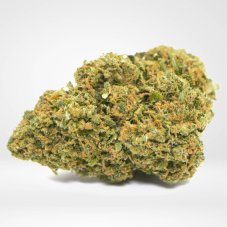
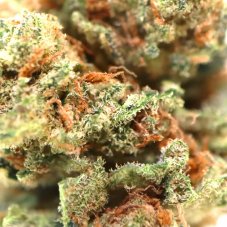
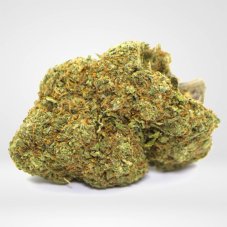
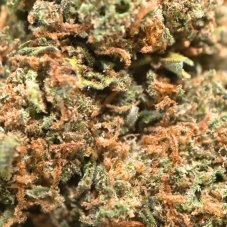
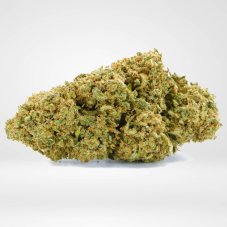
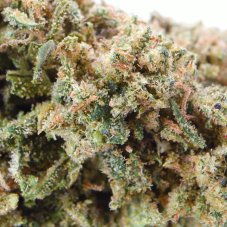
The structure of the buds reveals valuable information about the genetics and development conditions. Superior quality specimens present dense and compact formations, with abundant presence of crystalline trichomes containing cannabinoids and terpenes.

Coloration also provides quality indicators: vibrant green tones with possible purple, orange, or reddish hues indicate proper maturation and optimal genetic expression.

Aromatic Profile and Potency

Aroma constitutes one of the most reliable quality indicators in genetic material. Superior genetics develop complex and distinctive aromatic profiles, resulting from a balanced concentration of specific terpenes.

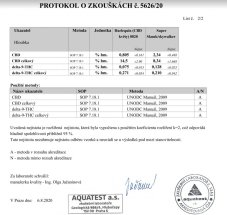
Potency is determined through laboratory analysis that quantifies cannabinoid concentrations. Premium quality CBD flowers typically contain between 15-25% CBD, maintaining THC levels below the legal limit.

Applications of Quality Genetic Material

High-quality CBD flowers serve as raw material for various derived products and specialized applications:

  • Extraction for oils and full-spectrum tinctures
  • Production of concentrates and isolates
  • Development of specialized cosmetic products
  • Scientific research and genetic analysis
  • Collection and preservation of unique genetics

Legal and Ethical Considerations

It is essential to remember that this material is intended exclusively for collection and research purposes. CBD flowers do not constitute food supplements and should be treated as scientific specimens or specialized collection items.

Current legislation permits the commercialization of plant material with THC content below 1%, facilitating access to quality genetics for specialized collectors and researchers.

Preservation and Storage of Genetic Material

To maintain the integrity of collectible genetic material, it is essential to implement appropriate preservation methods:

  • Humidity control: Maintain between 55-65% relative humidity
  • Stable temperature: Storage between 15-21°C
  • Light protection: Avoid direct exposure to UV light
  • Controlled ventilation: Air circulation without direct currents

By following these protocols, collectors can preserve the chemical and aromatic characteristics of genetic material for extended periods, maintaining its scientific and collectible value.

recommended products6