
Root Rot: How to Deal with It?
Root rot is never good news. If it affects the roots, it can have fatal consequences for the entire plant. There can be several causes, and its removal may not be entirely simple or 100% effective. However, there are several methods to prevent root rot. In today's article, you will learn:
- How to recognize root rot early?
- Symptoms and consequences of root mold
- What is the prevention of root rot?
- What to do to stop root rot?
What is root rot?
Root rot is considered one of the more serious problems in growing any plants, not just cannabis. It usually occurs when the watering, or water for irrigation:
- is contaminated
- lacks nutrients
- has incorrect pH (alkalinity)
Its result is a significantly poor plant growth, which often leads to their death due to rotting.
Cannabis roots that are submerged in a water bath without enough oxygen are much more susceptible to root rot problems. Healthy roots always have a pure white or sometimes cream color, while roots affected by rot are partially or completely brownish and have an unpleasant odor.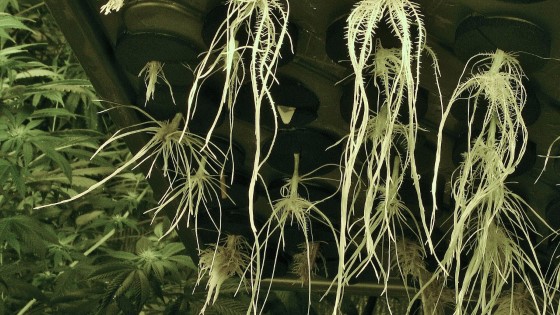
Healthy roots of hydroponically grown plants.
Consequences of Root Rot
Plants affected by this root disease will spontaneously lose all their leaves, which, in addition to falling, also quickly turn yellow. The first warning sign is lower water consumption than is usual for plants.
Root damage usually has a permanent character, and recovery is possible only through a newly formed root system. The old, permanently damaged roots of cannabis plants will likely never recover from the shock caused by the mold.
Root rot can affect any genetics and plant grown in any way. However, it very often appears in hydroponics. The reason is logical - hydroponic cultivation is based on using a growing solution instead of a substrate. Plants are therefore permanently exposed to moisture and are more prone to rot. However, under good growing conditions and maintaining hygiene and a sterile environment, it is a very effective cultivation method.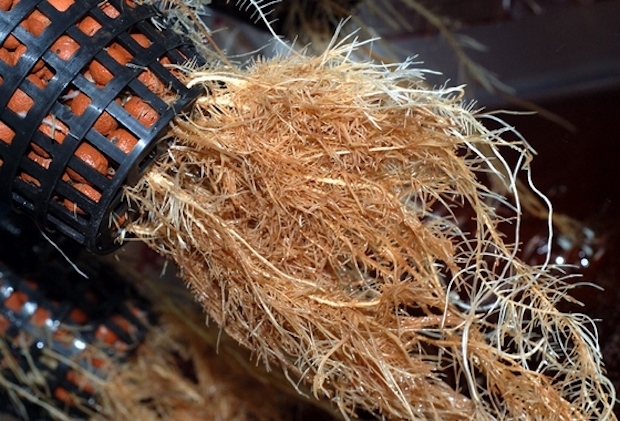
Root rot of cannabis plants.
Prevention of Mold and Root Rot
There are several ways to prevent it. For the best results, several methods can be combined. What are they?
1. Sufficient Oxygen
In one word - oxygen. Root rot does not like oxygen, so if you provide the plant, soil, and consequently the root system with enough oxygen, it is the best preventive measure. Quality air pumps can help with this. Sufficient oxygen helps promote rich growth and flowering.
2. Maintaining a Sterile Environment
The growing medium, whether a hydroponic solution or substrate, should be as clean as possible. Ideally, truly sterile. Before starting any new cultivation and germination of seeds, all containers, tools, and growing equipment must be carefully cleaned. A mixture of water and white vinegar is suitable, as its acids help eliminate all dangerous bacteria.
3. Hydroponics Require Thorough Care
When growing in hydroponic systems, it is necessary to change the water reservoir (hydroponic solution) regularly to prevent bacterial overgrowth in the entire tank. Changing the growing solution is recommended at least once a week. Regular solution replacement helps plants gain better access to nutrients and ensures roots have regular access to oxygen.
Dead roots, leaves, or other types of plant residues must not get into the fertilizer solution tank. This would cause contamination, and over time, bad bacteria causing root mold would multiply.
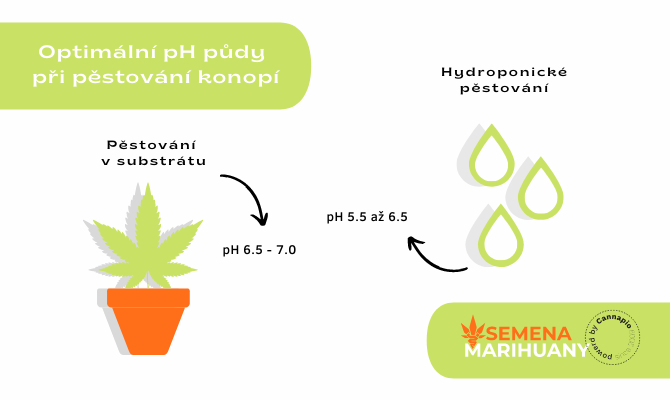
Correct pH is a good prevention against the multiplication of unwanted bacteria, especially in hydroponics.
4. Constant Room Temperature
The water used to water plants should not exceed normal room temperature. Warm water contains much less oxygen than cooler water and therefore provides an ideal environment for the growth of unwanted bacteria. The maximum recommended solution temperature is approximately 22°C.
5. Root System Does Not Like Light
Be careful that no light reaches the plant's roots. Light, spectral radiation, and especially heat also support the occurrence of unwanted bacteria.
How to Stop Root Rot?
Stopping rot in the root system is quite challenging. It's not just about changing water or growing solution in hydroponics. Roots affected by rot require proper treatment and disinfection to eliminate bacteria.
Fortunately, there are many products on the market that can help with this procedure. In addition to functioning as first aid and root mold treatment, some can also be used as a very effective prevention.
Infected roots are usually treated by adding hydrogen peroxide, which acts as a highly effective disinfectant. Adding peroxide to water eliminates all bacteria and microorganisms present in the solution. However, the disadvantage is that it also kills beneficial bacteria that help the plant and maintain a healthy environment. Good bacteria must therefore be replenished.
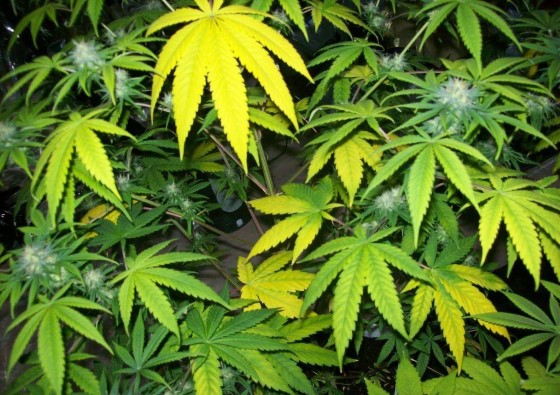
One of the first places where plant diseases appear are leaves - they often change color, such as turning yellow.
This method is only effective in short-term intervals. Therefore, it is necessary to repeat the bath or watering in the hydrogen peroxide solution almost daily. The best protection for infected plants is often products with a subculture B additive, such as Bud Rot Stop.
Saving an infected plant and its healing is successful only if root rot is detected early. Even in such a case, treatment must begin quickly to have a chance of root system restoration.
This article is for informational purposes only. Cannabis seeds are exclusively for collecting purposes. Any manipulation, cultivation, or even abuse of cannabis with THC content above the legal limit of 1% is prohibited. By violating the law, a person exposes themselves to the threat of a criminal offense or misdemeanor! Respect the legislation and grow ONLY LEGALLY!
Similar articles
- Cannabis Cultivation and Impact on the Environment - Study
- Cannabis Legalization 2021: CBD Legality in the World
- What Yield Does a Cannabis Plant Have
- Light Spectrum for Growth Phase
- UPDATED: Cannabis Seeds with THC Content up to 1% and Possibility of Their Cultivation