
Sativa Vs Indica 2
- Medicinal cannabis is divided by genetics into hemp sativa (Sativa) and hemp indica (Indica)
- Different genetics bring different therapeutic effects
- Dividing into just Sativa and Indica is becoming outdated
- The terpene and cannabinoid profile of the strain plays a crucial role in therapeutic effect
Cannabis Classification
Medicinal cannabis is divided by genotype into two basic types: Sativa (hemp sativa) and Indica (hemp indica). Sativa originates from Southeast Asia, Colombia, Thailand, and Mexico. Plants are tall with thin leaves. Indica cannabis is primarily from Pakistan and Afghanistan. Plants of this genetics are characterized by lower growth, thicker leaves, and are generally "bushier".
You can learn more about this basic classification and genetics origin in our first article - Sativa Vs Indica.
Regarding the differences in mental and physical effects, most of us still believe the following: Sativa flowers and products bring an energizing, creative, and "cerebral" effect, while Indica cannabis can help with insomnia (more in our article "Insomnia"), as it induces a deep sense of relaxation and physical well-being.
However, nowadays there are many hybrids created by crossing these two basic genetics and already bred varieties. With their increasing number, more users are noticing that even a predominantly sativa model can induce sleep, while a hybrid predominantly of Indica genetics can be stimulating.
How is this possible?
In the process of crossbreeding and breeding hundreds of varieties, both medicinal cannabis growers and patients have noticed one important thing: even plants of the same genetics grown in different conditions can have completely different effects. Factors such as climate, substrate choice, fertilization, and lastly, the flowering phase in which the plant is harvested have various impacts on the final chemical content of cannabinoids and terpenes.
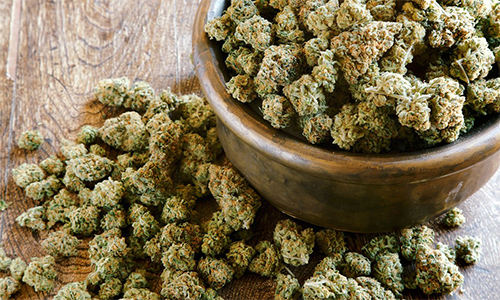
Choosing the Right Strain
If you want to choose a model truly tailored to your requirements, you need to look at the cannabinoid and terpene profile of the strain. You can find this information on websites like Leafly.com, where the ratio of these two active substances is described for almost every strain.
Cannabinoids are substances that directly act on the receptors of the human body's endocannabinoid system.
Terpenes are scent molecules found in every plant, with medicinal cannabis boasting a wide range of aromas that differ from strain to strain. (More in our upcoming article "Terpenes")
A balanced ratio of these substances is what makes cannabis medicinal. For example, a 2011 study confirms how the so-called "accompanying effect" of the substances is necessary:
"Only 1.8% of the total 953 participating patients preferred synthetically produced THC. The vast majority therefore prefer THC intake in its natural form, by inhalation or vaporization. Moreover, pharmaceutical THC can take hours to take effect, while the natural form acts immediately."
If you know which terpene-cannabinoid profiles to choose, you can prescribe your medicine much more precisely. For example, CBN, a cannabinoid abundantly found in strains like Purple Kush, is known for its sedative effects: According to Steep Hill Labs results, 5mg of CBN is as effective as 10mg of Diazepam, a well-known sedative widely used by people suffering from insomnia.
Since THC oxidizes into CBN over time, your previously energetic sativa can transform into a classic sleep aid. If you are looking for this effect, look for later harvested strains.
And how do You, our readers, choose strains? Are you interested in the terpene and cannabinoid profile? Share your opinions and experiences in the comments section!
Sources: ncbi learngreenflower leafly.com learngreenflower steephilllab steephilllab.com
Images: truthonpot.com cloudfront.net