
Secrets of Successful Cultivation: Best Fertilizers for Hemp That Guarantee High Yields!
Proper fertilization is the key to obtaining healthy and strong plants packed with valuable nutrients. In this article, we will reveal the secrets of successful cannabis cultivation and introduce you to the best fertilizers that will ensure high yields and quality crops. Why is organic fertilizer worse in terms of dosage? Can the growth phase of a plant affect fertilization? Find answers to these questions and many more in this article, so continue reading and uncover the secrets of successful cannabis cultivation!
What Are Suitable Fertilizers for Cannabis?

When choosing a suitable fertilizer for cannabis, focus on the following nutrients and composition ensuring optimal growth:
- Nitrogen (N) - contributes to the growth of new leaves and shoots.
- Phosphorus (P) - essential for root and flower development.
- Potassium (K) - contributes to flower formation and increases stress resistance.
- Calcium (Ca) - important for a firm and healthy plant structure.
- Sulfur (S) - contributes to protein and chlorophyll production.
- Magnesium (Mg) - essential for photosynthesis and chlorophyll production.
- Micronutrients - iron (Fe), zinc (Zn), copper (Cu), manganese (Mn), and other important substances influencing various biochemical processes.
Organic vs. Synthetic Cannabis Fertilizers: Advantages and Disadvantages
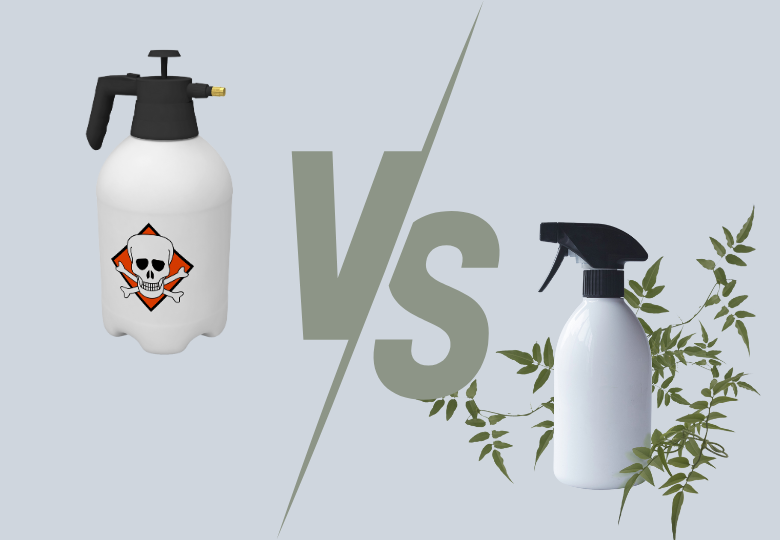
Organic Fertilizers
Advantages:
- Natural composition: made from natural substances such as compost, guano, seaweed, and others.
- Sustainability: reduce environmental burden as they are biodegradable.
- Slow release: provide nutrients to plants gradually and for a long time.
- Soil improvement: increase soil fertility and soil microorganism quantity.
Disadvantages:
- Slower action: interaction with soil may take longer, potentially leading to slower plant growth initially.
- Limited precision: more difficult to control in terms of dosage and nutrient composition.
Synthetic Fertilizers
Advantages:
- Quick action: nutrients are quickly available to plants and take immediate effect.
- Precision: ability to precisely control nutrient composition and dosage according to plant needs.
- Ease of use: easily usable and cost-effective.
Disadvantages:
- Chemical substances: contain synthetic chemicals that may negatively impact soil and environment.
- Short-term effect: nutrients are quickly consumed, which can make plants susceptible to over-fertilization.
- Reduced biodiversity: may negatively impact soil organisms and ecosystem.