Strengthen Your Health: Top 5 Vitamins Cannabis Users Need!

Essential micronutrients are a fundamental pillar for maintaining a healthy body, especially when it comes to understanding the complex interactions that can arise from cannabis use. Cannabis genetics contain bioactive compounds that can influence the absorption and use of certain vitamins, which is why it is crucial to know which nutrients matter most for optimising overall wellbeing.

How Cannabis Interacts With Micronutrient Absorption

Cannabis contains more than 100 different cannabinoids, with THC and CBD being the most studied. These compounds interact with the endocannabinoid system of the human body, a complex network of receptors that regulates various physiological functions, including metabolism and digestion. This interaction can alter the way our body processes and absorbs certain nutrients.

Research suggests that prolonged cannabis use can affect gastric acid production, which directly influences the stomach's ability to break down food and release essential vitamins such as B12. It can also alter the composition of the gut microbiota, that ecosystem of beneficial bacteria that helps synthesise and absorb multiple B-complex vitamins.

For these reasons, regular cannabis users should pay special attention to their nutritional profile and consider strategically incorporating certain micronutrients into their daily diet.

The 5 Key Micronutrients for Cannabis Users

Vitamin A: Strengthening the Immune System

Vitamin A, also known as retinol, plays a crucial role in maintaining the body's natural defences. This fat-soluble micronutrient is especially important for cannabis users, as it helps maintain the integrity of the respiratory and digestive mucous membranes, which can be affected by smoke or the method of consumption.

This vitamin actively participates in the production of leukocytes (white blood cells), the cells responsible for fighting infections and pathogens. It also contributes to eye health, maintaining normal retinal function and preventing night vision problems.

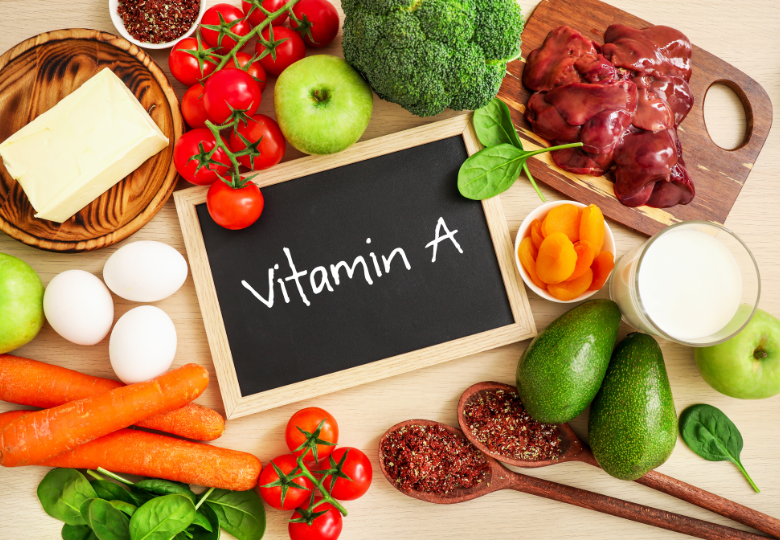
The richest dietary sources of vitamin A include: carrots, sweet potatoes, spinach, broccoli, beef liver, cod liver oil and dairy products. The recommended daily intake for adults ranges from 700-900 micrograms.

Vitamin B Complex: Neurological and Energy Support

The vitamin B complex comprises eight essential water-soluble vitamins: B1 (thiamine), B2 (riboflavin), B3 (niacin), B5 (pantothenic acid), B6 (pyridoxine), B7 (biotin), B9 (folic acid) and B12 (cobalamin). This group of nutrients is particularly important for cannabis users due to its role in energy metabolism and neurological function.

Vitamin B1 is essential for carbohydrate metabolism and the functioning of the nervous system. B6 is involved in the synthesis of neurotransmitters such as serotonin and dopamine. B12 is crucial for the formation of red blood cells and for maintaining the myelin sheath that protects nerve fibres.

Excellent natural sources include: whole grains, legumes, nuts, seeds, oily fish, lean meats, eggs and leafy green vegetables. Vegans should pay particular attention to B12, as it is found mainly in animal products.

Vitamin C: Antioxidant Power and Cell Protection

Ascorbic acid, or vitamin C, acts as a powerful antioxidant that neutralises the free radicals generated by oxidative stress. For cannabis users, this function is especially relevant, since smoke can increase the production of reactive oxygen species in the lungs.

This water-soluble vitamin is also essential for collagen synthesis, the most abundant structural protein in the human body, which keeps skin, bones, tendons and blood vessels healthy. It also boosts the absorption of non-haem iron from plant sources.

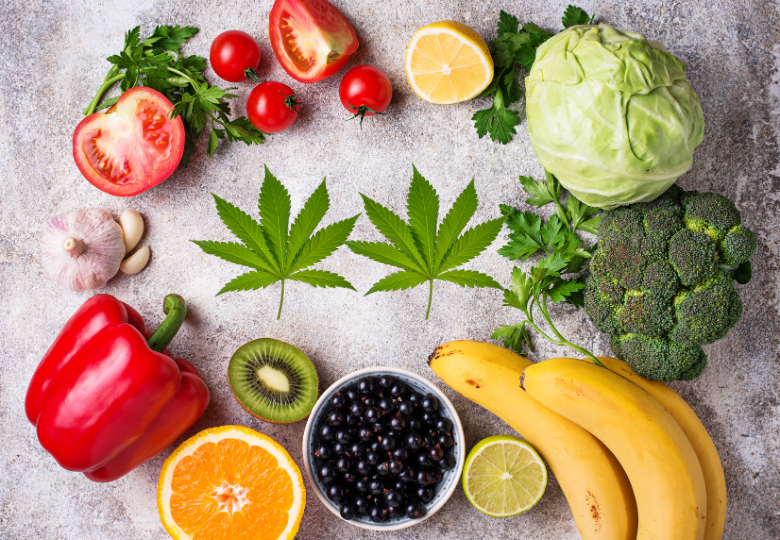
The best dietary sources are: citrus fruits, kiwi, strawberries, red peppers, broccoli, Brussels sprouts and rosehip. The recommended daily amount for adults is 75-90 mg, although smokers may need additional amounts.

Vitamin D: Bone Health and Immunity

Known as the "sunshine vitamin", vitamin D regulates the absorption of calcium and phosphorus in the intestine, minerals that are essential for maintaining adequate bone density. It also modulates the immune response, helping the body distinguish between its own cells and foreign ones.

Cannabis users who spend a lot of time indoors may be at greater risk of deficiency, especially during months with less sun exposure. Vitamin D also influences mood regulation and may help ease some of the side effects of cannabis use.

It is obtained mainly through controlled sun exposure (15-20 minutes a day) and foods such as oily fish, egg yolk, liver and fortified dairy products. The recommended intake is 15-20 micrograms a day.

Vitamin E: Protecting Cell Membranes

Alpha-tocopherol, or vitamin E, is the body's main fat-soluble antioxidant, protecting cell membranes from lipid peroxidation. This function is crucial for maintaining the integrity of lung, liver and nervous system cells.

For cannabis users, vitamin E can help protect respiratory tissue from the oxidative damage associated with inhaling smoke. It also helps maintain cardiovascular health and cognitive function.

It is abundant in: cold-pressed vegetable oils, nuts, seeds, avocado, spinach and wheat germ. The recommended daily dose for adults is approximately 15 mg.

Nutritional Strategies to Optimise Vitamin Absorption

Following a balanced and varied diet is the fundamental basis for ensuring an adequate supply of all essential micronutrients. Cannabis users should pay special attention to certain aspects that can optimise vitamin bioavailability.

The smart combination of foods can enhance absorption: consuming vitamin C together with plant-based iron, fat-soluble vitamins (A, D, E, K) with healthy fats, and keeping regular mealtimes to stabilise glucose levels.

It is advisable to consult a nutrition professional to assess individual nutritional status and determine whether specific supplements are needed, especially in cases of prolonged cannabis use or restrictive diets.

Adequate hydration, regular exercise and moderate sun exposure round out a comprehensive nutritional strategy that makes the most of the benefits of these essential micronutrients.