
Technical hemp (hemp sativa)
About Technical Hemp
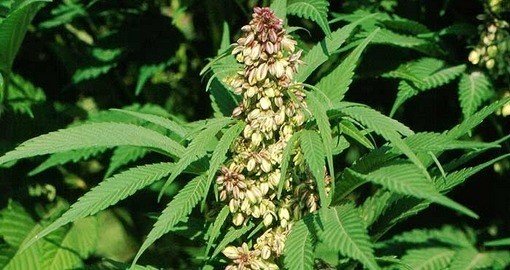
Technical hemp are actually dioecious plants with upright stems. Hemp is divided into female plants, which are shorter but denser, and male plants, which are conversely tall and slender. Stems are usually around 2.5 to 3 meters high. Sometimes their height can reach up to 5 meters.
From technical hemp (cannabis sativa), almost everything can be utilized! From this plant, you can extract hemp fiber, oil and nutritious seeds. No poisons (pesticides and herbicides) are needed for cultivation. Hemp is a tall plant that quickly overgrows all other plants and weeds. It is itself a very resilient weed. This does not detract from the benefits of sown hemp.
Technical hemp is characterized as an excellent industrial plant. With its favorable growth properties (thin, unbranched stems) and almost zero THC content (max 0.2% according to EU standards).
Cannabis Sativa
Here in the Czech Republic, these hemp varieties are most common:
- Hemp (=technical hemp) is grown for its long and strong stems, which are used in the textile industry (hemp fabric). It is also widely used for its oily seeds. Oil extracted from seeds is used in cosmetics, food, for producing lubricants, soaps, and even colors. It is essentially a versatile herb. This hemp contains very low or no THC.
- Indian Hemp is mainly grown for its resinous secretion. This hemp variety is primarily used for marijuana smoking. It is most used for producing soft drugs and hashish.
- Ruderal Hemp is a weed plant that arrived here from southern Ukraine.
Something from the Past
Hemp cultivation began most extensively around the 18th and first half of the 19th century. After 1840, three factories for fiber and textile processing were put into operation.
At the beginning of the 20th century, cheaper alternatives like synthetic materials (silon, nylon,...) were introduced. From the few hundred hectares grown here, fiber was used to make things like ropes, sacks, or nets...
After World War I, around 9000 hectares were cultivated in Czechoslovakia, about 4500 hectares in 1930. In 1935, hemp was discussed as a "new alternative crop". Experts studied research on quality varieties. There was interest, but processing industry and market for the grown material were lacking. In 1955, about 220 hectares were sown with hemp in our country.
By Law
Until 1996, hemp cultivation was not in conflict with legislation. From January 1, 1999, the Law No. 167/98 "On Addictive Substances" came into effect, regulating hemp and poppy cultivation. From the mid-90s, hemp growers' development was primarily determined by flax processors' interest, who use similar technological processes. Under the auspices of the Flax Association, Hemp and Flax Days and Hemp Harvest Days have been regularly held since 1999.
In April 1999, the civic association Konopa was established. Konopa participates in ecological and cultural events. They organize professional educational events and provide information about hemp's ecological, social, and economic benefits.
Currently, three plants process fibrous materials for the automotive industry. Their annual processing capacity exceeds 1000 tons of fiber. Demand here has long been several times higher than supply. There is therefore a potential for significant growth in cultivated area in the next 10 years.
Where and How Sown Hemp is Cultivated
The best place for hemp cultivation is a warmer area with fertile soil. Here, hemp can be grown in all fertile areas of the Czech Republic. Hemp is oversensitive to frost, more sensitive than flax. Young plants can withstand mild frosts, but warmth is still preferable. Recommended seed sowing time is estimated to be during the "ice men" period (after May 14th).
In the first growth phase, hemp needs plenty of water, so it is given sufficient water; later, it can withstand temporary drought. Soil is a more challenging aspect. The best are fertile, deep, and workable soils. These should be loamy and sandy-loamy soils with low groundwater. Good fertilization and a substantial humus boost are important. Hemp does not tolerate acidic soils and grows best on neutral to slightly alkaline soils.
Cultivation Limited by Legislation
Sown hemp (technical) cultivation is regulated by the Common Catalog of Agricultural Plant Species Varieties, issued in accordance with Article 17 of Council Directive 2002/53/EC of June 13, 2002.
It lists bred hemp varieties containing less than 0.3% THC. The appendix lists hemp varieties grown for fiber and hemp varieties for fiber approved in the 2007/08 economic year.
Technical Hemp Products and Goods
The range of hemp products is very wide, with up to 25 thousand 100% recyclable products possible. In Western countries, technical hemp is commonly grown and processed. Here in the Czech Republic, everything is in the research, trial production, and experimental cultivation phase. Although we have a very lenient attitude towards hemp, non-technical hemp products are still somewhat unconventional here, although they are completely ordinary.
The basic usable raw materials are biomass and seeds. The stem is suitable for producing biofuels – gasoline, briquettes, charcoal, methanol, or electricity. Cellulose and hemicellulose found in the pith can be converted to alcohol fuels. Hemp can be used for many other products.
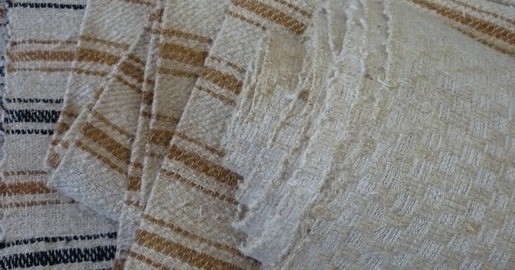
Hemp can be utilized in food production, chemical and textile industries, of course in medicine, cosmetics, etc. Here, sown hemp is most used for non-woven textiles, paper and automotive industries, and for construction purposes. Significant is the use of woody matter (shives) for energy purposes in the form of bio-pellets. These can be used for heating in fireplaces, stoves, and other solid fuel boilers. Briquettes are pressed without any binder, so they contain no harmful substances. They are cylindrical with a 6.5 cm diameter. Calorific value is about 16.5 MJ/kg at 9% moisture.
Hemp seeds contain 30-35% drying oil with a high proportion of fatty acids.
Hemp oil, obtained by pressing hemp seeds, can be used as motor fuel, for producing paints and varnishes, and in the food industry. Hemp seed is widely used in food production and for bird breeding (excellent feed).
Most common uses of sown hemp:
- PAPER
- CLOTHING AND ROPES
- FUEL
- COSMETICS
- BIOMASS
- MEDICAL PURPOSES (more often Indian hemp, due to cannabinoid content)