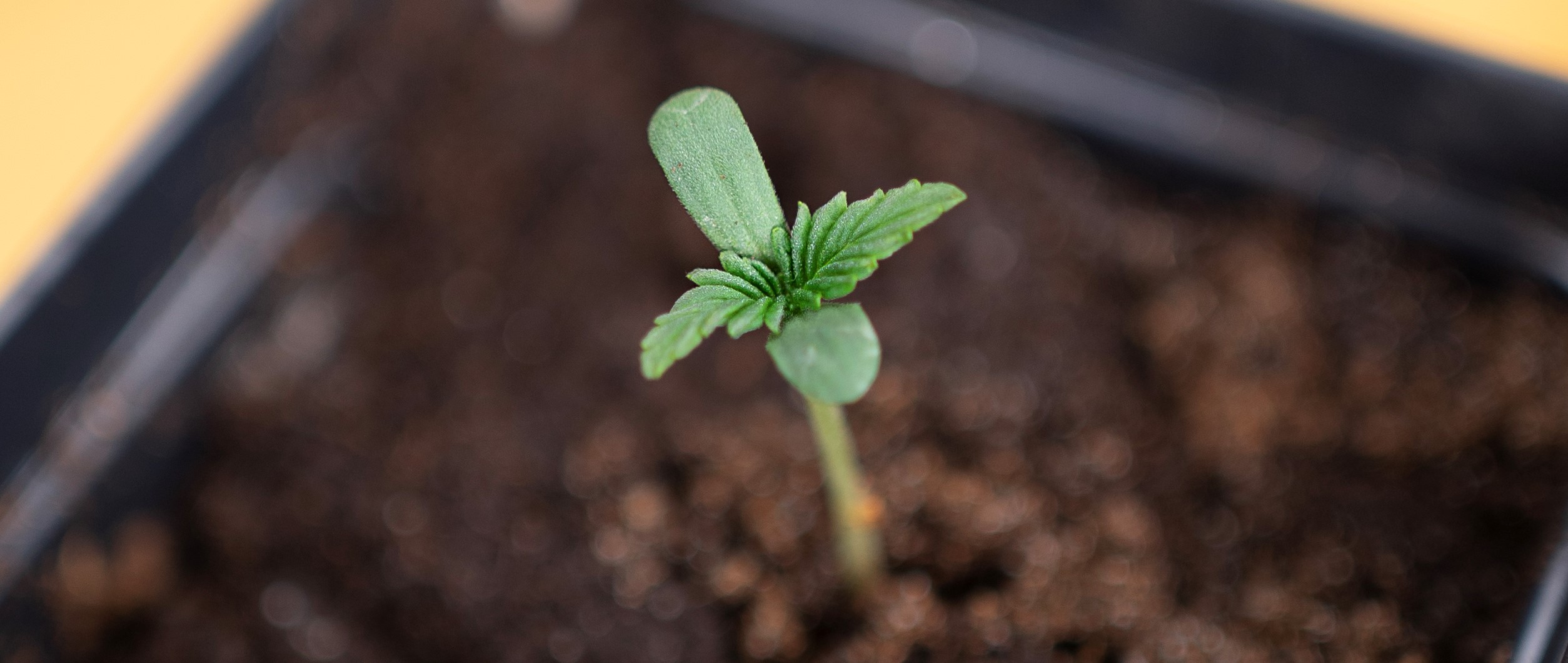
UPDATED: Hemp seeds with THC content up to 1% and the possibility of their cultivation
The legal cannabis landscape underwent a revolutionary transformation with the legislative amendment that set the new THC limit for industrial hemp at 1%. This regulatory update represents a historic milestone that considerably broadens the range of genetics available to enthusiasts and professionals in the sector.
Legal framework and new opportunities
The implemented legal reform has redefined the parameters of technical hemp, raising the THC threshold from the previous 0.3% to the current 1%. This change responds to the needs of agricultural producers, who faced challenges with climatic fluctuations that could naturally raise cannabinoid levels in the plants.
This new regulation facilitates the development of projects related to medicinal cannabis and opens paths for the export of derived products. It also introduces digitized systems for specialized medical prescriptions and establishes renewed criteria for production licenses, benefiting both individuals and companies interested in the sector.
Profile of featured genetics
Johana CBD: sativa-dominant excellence
This feminized genetic emerges from the cross between Juanita la Lagrimosa and Session, inheriting a prestigious lineage recognized at multiple Cannabis Cups for its exceptional cannabinoid profile. Its genetic composition includes 75% sativa genes and 25% indica, creating a unique balance.
The variety presents an extraordinary cannabinoid profile with up to 18% CBD, while keeping THC levels between 0.25-0.75%. Its characteristic citrus aroma and ease of handling make it an ideal choice for beginners. The dominant terpenes include limonene and pinene, contributing fresh and stimulating notes.
Pure Mountains CBD: indica power
Developed from the Elixir Vitae and Medical CBD genetics, this variety represents excellence in indica dominance. Its unique profile combines up to 14% CBD with just 0.25% THC, establishing a cannabinoid ratio ideal for therapeutic applications.
The terpene profile of Pure Mountains CBD includes myrcene with characteristic earthy tones complemented by bittersweet caramel notes. This aromatic combination sets it apart within its category, while its genetic stability guarantees consistent results.
Auto Purple CBD: autoflowering innovation
The Auto Purple CBD genetic represents an achievement in genetic breeding, combining 90% indica, 5% sativa and 5% ruderalis. Derived from the cross between Kush Rose Auto CBD and Afghan Rose Auto CBD, this variety reaches up to 17% CBD while keeping THC below 0.5%.
Its 34:1 (CBD:THC) cannabinoid ratio positions it as an exceptional genetic for research and the development of specialized products. Its autoflowering profile removes the dependence on photoperiod, significantly simplifying the growing process.
Applications and industrial potential
These genetics open new possibilities in the development of cannabis-derived products. Their CBD-rich, THC-low profile makes them ideal candidates for producing extracts, oils, creams and other wellness products.
Scientific research has shown that cannabinoids such as CBD interact with the human endocannabinoid system, a complex receptor system that regulates various physiological functions. Studies published in specialized journals suggest that these compounds may influence processes related to homeostatic balance.
Terpene profiles and organoleptic characteristics
The terpenes present in these genetics not only define their aromatic profiles but also contribute to the entourage effect, a phenomenon in which the different compounds of cannabis work synergistically. Myrcene contributes earthy, relaxing tones, while limonene introduces energizing citrus notes.
Pinene, common in these varieties, offers fresh pine aromas and may contribute to mental alertness. This terpene diversity allows researchers and enthusiasts to explore different profiles according to their specific needs.
The future of legal cannabis
Raising the legal THC limit to 1% marks the beginning of a new era in the cannabis sector. This change not only benefits agricultural producers but also drives research and development of new industrial and medicinal applications.
The genetics available under this new regulation represent decades of selective breeding, combining genetic stability with unique cannabinoid profiles. Their potential extends from the hemp plant's traditional textile applications to innovative wellness products and natural cosmetics.
The democratization of access to these specialized genetics promises to accelerate innovation in the sector, opening opportunities for small producers and entrepreneurs interested in exploring the potential of legal cannabis and its derivatives.