
What do the colors of hemp indicate and what causes its coloration?
The magic of hemp lies in the endless range of properties that a particular plant species can offer. All types of hemp have a certain shade of green, but anyone with even a little experience with hemp has surely noticed that the plant often displays a whole spectrum of other colors. Purple, pink, blue, red, orange, white, and even black. Read on to discover what these colors reveal about the plant's quality and genetics.
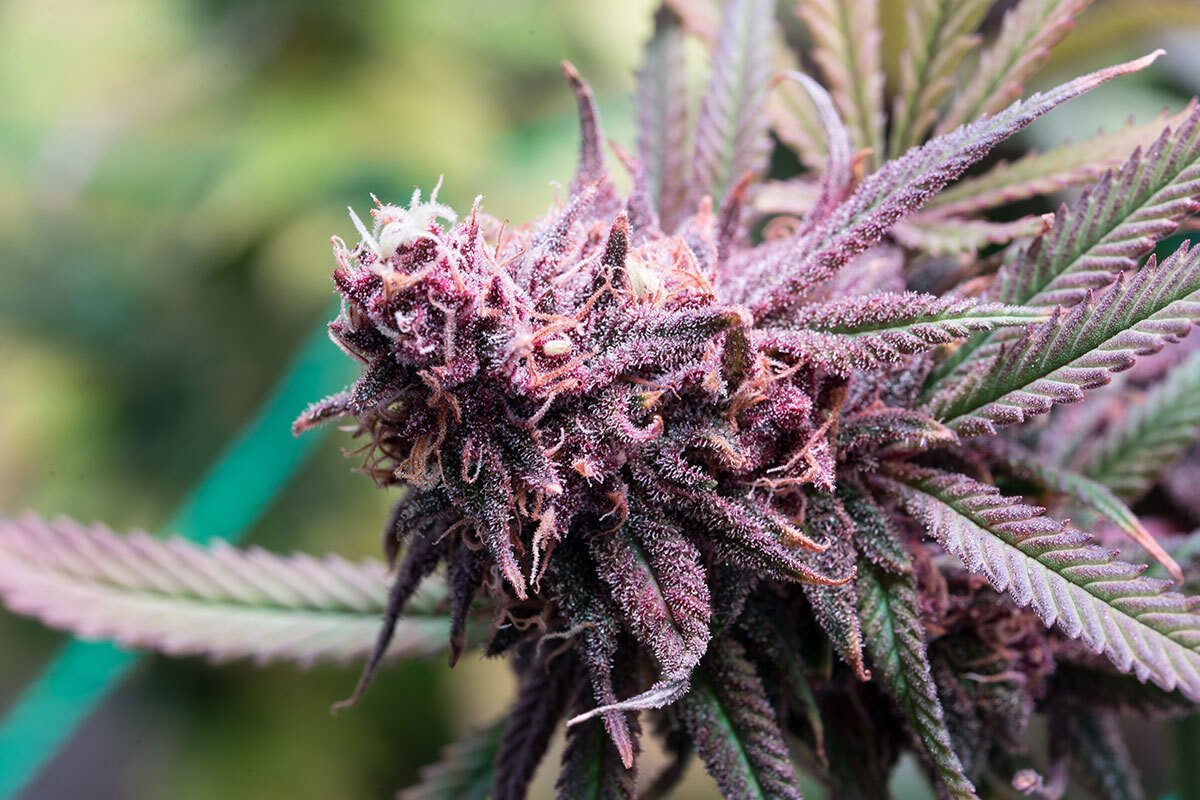
Why Do Hemp Buds Have Different Colors?
Two main reasons why hemp can have different coloration are pigments and environmental factors. Pigment is a coloring substance that is completely or almost insoluble in water. These are chemical substances that give objects color.
Pigments found in hemp are the following:
Chlorophyll:
Chlorophyll occurs in almost every plant. Plants are green due to chlorophyll, which is an essential part of photosynthesis. Chlorophyll is also found in chloroplasts. Chloroplasts capture light, convert light energy, and transform it into chemical energy.
Flavonoids
Flavonoids are natural compounds created by plants that are responsible for creating various colors. Flavonoids are yellow, blue, purple, or red. They are also important for plant health, as they help protect plants from UV radiation and certain diseases.
Carotenoids
Carotenoids are the source of red, orange, and yellow coloration in plants and animals. They are found, for example, in carrots and are essential for vitamin A production. Carotenoids help plants absorb solar energy.
[The rest of the translation continues in the same manner, maintaining the HTML structure and translating the text naturally.]