
What is polyploid hemp and how can it be grown?
Polyploid hemp is a type of hemp that genetically differs from common hemp plants. This mutated hemp variety opens the door to new possibilities and opportunities in the hemp industry. According to some studies, polyploid hemp seeds represent another major breakthrough in hemp cultivation.
Hemp generally belongs to diploid plant species. This means their DNA consists of 23 pairs of chromosomes located in cell nuclei. Each pair contains one chromosome from the mother and one from the father. If three or more chromosomes are present in the nucleus, a triploid or polyploid organism is created.
Polyploid hemp therefore represents a genetic anomaly. It has more chromosomes grouped in its cells than most hemp plants.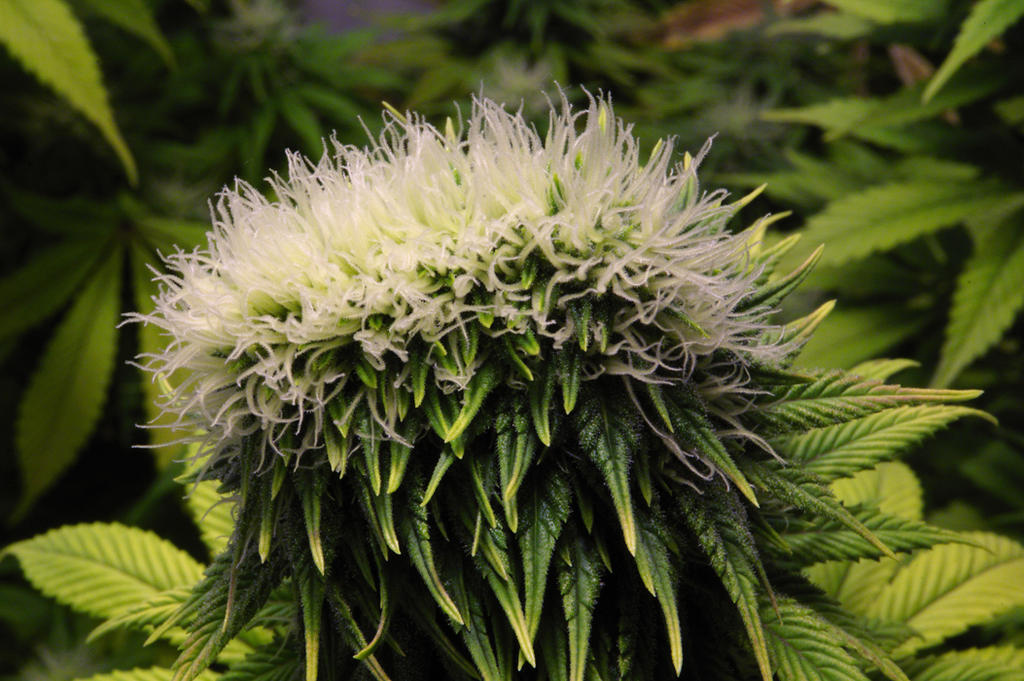
Typical Characteristics of Polyploid Hemp
While polyploidy is very common in other crops like corn and wheat, it is a rare occurrence in hemp.
The main characteristics of polyploid hemp are:
-
larger leaves,
-
denser capillaries,
-
distinctive terpene profile with higher terpene count,
-
increased CBD content,
-
same THC amount.
Advantages of Polyploid Hemp
Polyploid hemp currently has only a few known benefits. Research has shown that polyploid hemp plants are very productive, resilient, and strong. However, compared to their predecessors, these plants do not show significant improvement. For example, the content of cannabinoids like THC and CBD is very close to non-mutated plants.
However, the slight improvement in hemp plant growth and productivity may be interesting for the hemp industry, especially when the plant is cultivated on a large scale. Increased plant productivity can then lead to significant economic benefits.
Disadvantages of Polyploid Hemp
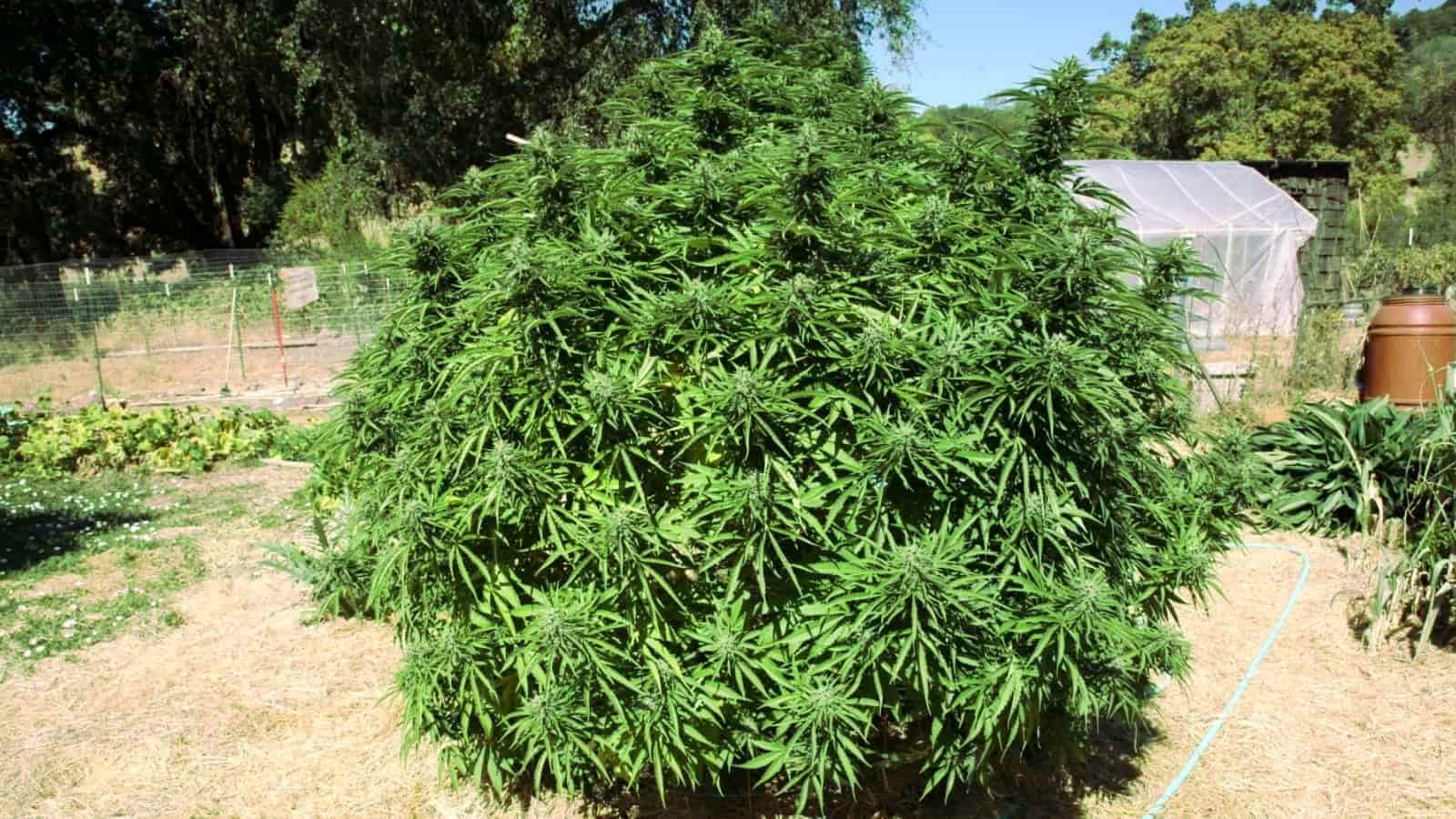
One disadvantage of polyploids is that their growth habits can be very unpredictable, sometimes even uncontrollable. Bud density can be so uncontrollable that it may become nearly impossible to ensure sufficient air circulation to the plant's core. This can then lead to inevitable bud rot and mold.
Does Polyploid Hemp Exist in Nature?
Polyploidy is an evolutionary process that is common and natural in plants. Plants like wheat or corn are great examples of natural polyploidy. In many plants, polyploidy occurs spontaneously in nature. However, this is not the case with hemp. Hemp does not have the ability to naturally increase its genome. People therefore apply chemical methods to obtain polyploid hemp.
How to Grow Polyploid Hemp
The most commonly used methods to obtain a stable polyploid hemp variety are:
-
Using colchicine: this preparation is used in humans to treat gout. At certain doses, it can be highly toxic, but exhibits excellent antimitotic properties, meaning it can suppress or stop cell division. In several studies, polyploid hemp was obtained by applying colchicine to growing plant shoots.
-
Using oryzalin: this herbicide is an alternative to colchicine and can block plant cell growth. In several studies, polyploid hemp was obtained by applying oryzalin to parts of the mother plant grown in artificial environments. It was shown that oryzalin is a more effective and less toxic means of achieving polyploidy in hemp plants than colchicine.
Promising Future for Polyploid Hemp
History has shown that polyploidy can contribute to creating a very high-yield crop in many plants. However, this is still being investigated for hemp. If polyploid hemp research goes well, it will have enormous advantages for the hemp industry. Judging by the number of research studies, we can be sure that polyploid marijuana has a promising future.
Do you now know what polyploid hemp is? We believe you do. Visit our blog to learn many more details and interesting facts.