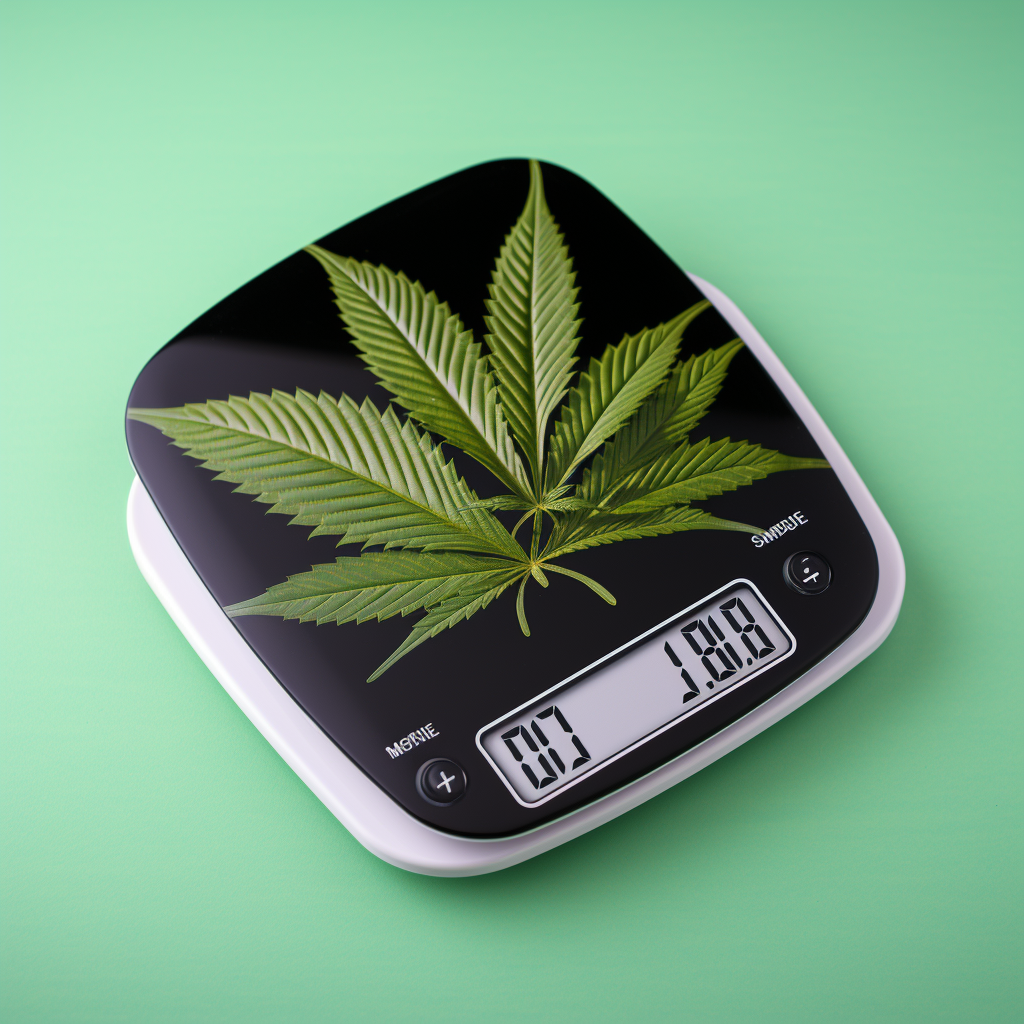
When Weight Doesn't Weigh Up: Tricks to Estimate Cannabis Weight!

In the fascinating world of cannabis collectible seeds, being able to estimate the weight of dried genetic material can prove valuable for passionate collectors. Whether you're examining specimens for your collection or studying the morphological traits of different genetics, knowing how to judge weight without a traditional scale is a useful skill. This article explores various estimation techniques that will help collectors gain a better understanding of their collectible seeds and the specimens that result from them.

Why weight estimation matters in cannabis collecting

For collectors of cannabis collectible seeds, understanding the weight characteristics of different genetics offers several substantial advantages. This knowledge first allows you to assess the characteristic density of each variety, a distinctive genetic trait that varies considerably between different lines. Indica genetics, for example, generally produce denser, more compact structures, while sativa varieties develop airier, more voluminous formations.

Weight estimation also contributes to comparative analysis between different genetics in your collection. By documenting this data, collectors can build detailed profiles of their specimens, deepening their understanding of hereditary traits. This scientific approach helps in better grasping the phenotypic variations and genetic expressions specific to each line.

Finally, this skill proves particularly valuable when evaluating rare specimens or trading between collectors, where the ability to estimate quantities accurately strengthens the credibility and professionalism of the exchange.

Comparison methods using everyday objects

Comparing against objects of known weight is one of the most accessible approaches for estimating the weight of cannabis specimens. This method relies on using reference objects whose mass is standardised and easy to verify.

Using European coins

European coins offer a particularly practical reference system thanks to their rigorous standardisation. A 1 euro coin weighs exactly 7.5 grams, while a 2 euro coin comes to precisely 8.5 grams. These references allow for tactile comparisons: place the coin in one hand and the specimen in the other, then judge the relative sensation of weight.

For a more precise estimate, collectors can combine several coins. For example, three 1 cent euro coins (2.3 grams each) add up to roughly 7 grams, while four 2 cent coins (3.06 grams each) come to around 12 grams.

Household objects as reference weights

Other everyday objects can serve as reliable reference weights. A standard paperclip weighs around 1 gram, making it a handy reference for small quantities. A fresh AA battery comes to roughly 23 grams, providing an excellent comparison point for larger quantities.

Individual tea bags are also a useful reference, generally weighing between 2 and 3 grams depending on the brand and type. This method proves particularly intuitive for collectors used to handling dried plant material.

Visual and tactile assessment techniques

Beyond comparisons with reference objects, experienced collectors develop a sensory intuition that lets them estimate weight through direct observation and handling of specimens.

Analysing structural density

Density is a crucial indicator for weight estimation. Specimens from indica genetics generally show a compact structure with tightly packed calyxes and high density, which translates into greater weight for a given volume. Conversely, sativa varieties often develop airier structures, with larger internodal spacing and lower density.

This morphological analysis allows collectors to adjust their estimates based on the observed genetic profile. Hybrids show intermediate characteristics, requiring a more nuanced assessment based on the apparent indica or sativa dominance.

Assessing moisture content

Residual moisture content significantly affects the final weight of specimens. Properly dried and cured material has a slightly crisp texture to the touch and breaks apart easily, indicating an optimal moisture level of around 10-12%. A specimen that is too moist will feel heavier for its apparent volume, while over-dried material will weigh less than estimates based on appearance would suggest.

Experienced collectors learn to recognise these tactile nuances, adjusting their estimates accordingly. This sensitivity develops with experience and regular handling of different specimens.

Practical considerations and limitations

While these estimation techniques offer useful approximations, collectors should keep in mind their inherent limitations. The accuracy of these methods depends largely on the user's experience and familiarity with different genetics.

Natural variations between phenotypes of the same genetics can also affect the accuracy of estimates. Two specimens from the same line can have different densities and structures, which affects their relative weight.

For serious collectors, these techniques represent valuable complementary skills, particularly useful for field assessments or situations where precise weighing equipment isn't available. However, for rigorous scientific documentation of a collection, using a precision scale remains essential.

By developing these estimation skills, collectors of collectible seeds deepen their understanding of cannabis as a complex botanical material, strengthening their expertise in this fascinating field of plant genetics.