
Women, you can't avoid menopause (But cannabis may help)
-
Menopause is one of the most dramatic processes a woman's body goes through during her lifetime.
-
It can perhaps only be compared to the onset of puberty and the female menstrual period.
- According to many women, it is not exactly a pleasant experience.
Fortunately, we have medicinal cannabis, which can, as you might correctly guess, help with menopause symptoms such as mood swings, pain, insomnia, and many others. Medical cannabis can become a powerful ally for women during menopause.
To understand how cannabis can help during menopause, it's good to first understand what menopause actually is and how it affects the female body.
What is menopause?
Simply put, menopause is a period (usually about a year long) during which the female body "turns off" the menstrual cycle. Menopause occurs in women around 40 to 50 years of age. According to studies, the most common age for menopause is 51 years.
Menopause itself is divided into three phases: perimenopause, menopause, and post-menopause:
- The perimenopausal period is characterized by small changes in body functions, such as slowing down estrogen hormone production. The female body goes through a preparatory phase of menopause.
- Menopause is the 12-month period following a woman's last period, when ovulation ends and estrogen levels significantly drop.
- The post-menopausal period is the time when menopause symptoms cease, and the body reaches a new state of homeostasis (balanced state).
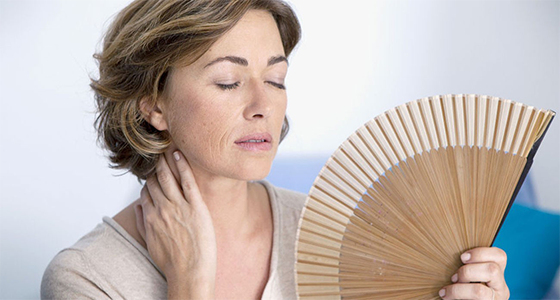
What are the symptoms of menopause?
Menopause can be characterized by a range of perceived symptoms, which often include hot flashes, insomnia, mood swings, various types of pain, weight gain, and increased fatigue. The sudden occurrence of one or several of these symptoms can also cause feelings of anxiety or even depression in some women.
Endocannabinoid System & Menopause
If you want to learn more about the body's endocannabinoid system, be sure to check out our Introduction to the Endocannabinoid System. In short, the human body's endocannabinoid system is responsible for maintaining homeostasis, or cellular balance. It is thanks to the presence of the endocannabinoid system that we are able to experience the many pleasant effects of medicinal cannabis. However, the endocannabinoid system does not exist purely for pleasure – it is here mainly for the function of interaction between endocannabinoids, the body's own cannabis-like substances.
The estrogen hormone is directly connected to the endocannabinoid system through the regulation of fatty acid hydrolase enzymes (FAAH), which subsequently breaks down certain types of endocannabinoids. At the moment when estrogen levels peak, endocannabinoids are also activated in the same amount. The same process applies in reverse.
"Moreover, emerging research suggests that a lack of endocannabinoids in the body could result in premature onset of menopause."
A study also found that the estrogen hormone directly uses endocannabinoids to regulate mood and emotional responses – this could explain one of the most common symptoms of sudden estrogen level reduction, namely significant mood swings. Here, of course, the theory comes to mind that medicinal cannabis could significantly help during menopause due to the close relationship between estrogen and endocannabinoids.
Cannabis for Alleviating Menopause Symptoms
Official clinical studies on the effects of cannabis on menopause symptoms are still scarce, mainly due to the ongoing illegality of this herb in many countries today. However, we also have historical evidence of cannabis use to alleviate menopause symptoms, such as in the Sajous and Sajous text from 1924, where medicinal cannabis is directly mentioned as an analgesic for menopause.
Along with these texts, we also have several modern pieces of evidence about how cannabis can help with a range of symptoms, whether they are part of menopause or not.
Hot Flashes during Menopause
The endocannabinoid called anandamide (interestingly – ananda in Sanskrit means "perfect happiness") is essentially a substance native to the body and is the same molecule as plant THC. The body's own THC, anandamide, is responsible for things like feelings of happiness after sufficiently intense physical exertion and exercise (more in the article "Runner's High"). Beyond that, however, it plays another significant role in the body – regulating body temperature.
Therefore, THC could theoretically help with the classic hot flashes experienced by most women going through menopause. Studies already suggest that THC is capable of lowering body temperature. Conversely, when only a small amount of THC is applied, it slightly increases body temperature. Finding the right dose for each individual is absolutely crucial here.
Insomnia during Menopause
Insomnia goes hand in hand with menopause and hot flashes. Feelings of heat and sweating during the night significantly hinder the possibility of quality sleep. However, if a woman chooses the right strain with sufficient THC and also good for quality sleep, she can achieve an ideal aid for healthy nights. If you are looking for strains against insomnia, we recommend reading the article "Cannabis Strains against Insomnia, for Healthy Sleep".
Pain during Menopause
During menopause, women often also develop a range of painful side effects. Migraines, breast swelling, joint pain, pain during sexual intercourse, and increased menstrual pain (oh, the irony). All these symptoms are, in the end, significantly life-disrupting.
"Medicinal cannabis is known as a tool against various types of pain. Patients can choose from a variety of pain-fighting strains."
An enormous plus in using cannabis for pain is also safety and, most importantly, no risk of developing addiction, which cannot be said for classic analgesics and opiates.
Mood Swings during Menopause
As we mentioned earlier, estrogen plays a very significant role in the use of endocannabinoids and subsequent mood and emotional response regulation. Additionally, when endocannabinoid levels in the body decrease, anxiety and depression often develop.
Fortunately, there are already a significant number of studies showing the effectiveness of cannabinoids such as CBD and THC against anxiety. Depression and anxiety are, of course, side effects of many diseases and conditions, and that is why medical cannabis can be a quality tool in many different cases.
Reduced Libido during Menopause
One of the most frustrating symptoms of menopause for women is significantly reduced libido and frequent vaginal dryness. Especially for women who were used to intense and frequent sexual desire, the reduction in libido combined with other menopause symptoms can result in strong feelings of depersonalization.
However, medicinal cannabis can help here too – a Psychology Today study found that 67% of respondents said cannabis improved their sex life. Finding the right strain can be very positive in addressing reduced libido. However, some experimentation is needed. Some women praise the intoxicating effects of THC that help them reconnect with their libido, while others find help in the mind-calming effects of CBD while maintaining a clear head.
Bone Tissue Loss during Menopause
The estrogen hormone is also responsible for regulating bone tissue regeneration. In some cases, a drastic reduction in estrogen levels in the body can lead to conditions such as osteoporosis.
Current study data suggests there is a certain association between osteoporosis and the body's reduced ability to encode and activate endocannabinoids. Another study observes that cannabinoids such as THC, CBD, or THCV "stimulate bone tissue growth and are therefore potentially able to reduce the number of osteoporosis cases associated with menopause."
Weight Gain during Menopause
Weight gain and difficulty losing excess fat is another classic and for most women downright frightening symptom of menopause. Weight gain is also caused by classic factors such as age, lifestyle changes, inactivity, and others. However, if a woman follows essential things like a healthy diet and sufficient exercise, it is possible to successfully fight weight gain in older age with cannabis.
Moreover, studies show that cannabis consumers have, in most cases, a much lower BMI (body mass index) than those who do not use cannabis. THC is known for increasing appetite, so for women, strains rich in CBD with low THC percentage are recommended.
Future research will undoubtedly prove that medicinal cannabis is indeed capable of acting positively against menopause symptoms. Until then, we must wait mainly for changes in legislation and its approach to medical cannabis, which will subsequently dramatically accelerate further research.
Source: Lland, Rae. "We Can't Avoid Menopause But Cannabis Makes It Easier." Leafly, 15 May 2018, www.leafly.com/news/health/how-cannabis-helps-relieve-menopause-symptoms.
Author: Rae Lland