7 Best Hemp History Models

Legendary Cannabis Genetics: A Collector's Heritage

In the world of cannabis collector seeds, certain varieties have made history, becoming true genetic icons. These strains represent the evolution of the art of selection and have influenced generations of breeders and collectors. Each variety tells a unique story, marked by distinctive terpene profiles, particular morphological structures, and genetic heritage of inestimable value.

The pursuit of these historic genetics continues to fascinate enthusiasts, who regard these seeds as genuine treasures worth preserving. The importance of keeping these genetic lines alive goes beyond simple collecting: it is about preserving a botanical heritage that bears witness to decades of selection and genetic improvement.

White Widow: The Dutch Icon That Conquered the World

White Widow is probably one of the most recognizable genetics in cannabis history. Originating in the Netherlands, this hybrid variety quickly won over collectors worldwide thanks to its unique characteristics and extraordinary reputation.

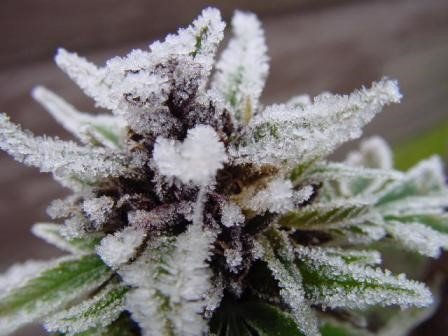
Genetically, it is a perfect balance between sativa and indica, creating a plant with fascinating morphological traits. Its structure reaches a contained height in controlled environments (around 1 meter), while outdoors it can reach 2 meters. The name comes from its characteristic production of crystalline trichomes that abundantly cover the mature flowers, creating an almost snow-covered appearance.

White Widow's aromatic profile is intense and penetrating, with complex notes that make it easily recognizable. The variety prefers environments with plenty of light and moderate temperatures, though it is sensitive to excessive humidity. Its THC content can reach 20-25%, placing it among the most potent genetics of its era.

Jack Herer: A Tribute to a Cannabis Pioneer

Jack Herer is not just a variety, but a tribute to one of the most important American cannabis legalization activists. This genetic has collected more awards than any other variety at cannabis festivals, earning it a place of honor in history.

Particularly interesting is its official classification as a medicinal plant in the Netherlands, a recognition that attests to its therapeutic properties. Genetically, three of the four phenotypes show sativa dominance, while the fourth has more indica characteristics. This genetic diversity is reflected in variations in plant structure, flowering times, and the shape of the flowers.

Jack Herer is generally better suited to indoor cultivation, though it can be grown outdoors in favorable climates, with harvests typically occurring in early October due to the longer flowering times typical of sativas.

Blueberry: The Aristocracy of Fruity Flavors

The Blueberry variety revolutionized the concept of aromatic profile in cannabis, introducing distinctly fruity notes reminiscent of fresh blueberries. Developed in the 1970s, this indica-dominant genetic (80%) has won numerous awards thanks to its unique characteristics.

One of the most fascinating peculiarities of Blueberry is the coloring of the mature flowers, which take on purplish and lavender-blue hues, creating an extraordinary color contrast. With a THC content of 19.5%, it ranks among the most potent varieties in its category, offering a rich and complex cannabinoid profile.

Durban Poison: The Purity of African Sativa

Durban Poison represents a unique genetic treasure: a pure sativa that has never been hybridized, originating from South Africa. This characteristic makes it extremely valuable for collectors interested in original landrace genetics.

Morphologically, it displays all the typical characteristics of sativas: long, thin leaves, pronounced vertical growth, limited branching, and voluminous flower production. Its aromatic profile is distinctive, with notes reminiscent of anise and licorice, creating an unmistakable olfactory experience.

Despite its African origins, Durban Poison has proven surprisingly adaptable to temperate climates, with the transition to flowering typically occurring in mid-August and full maturation by the end of September. Its THC content is around 8.6%, placing it in the average range for classic varieties.

G13 Haze: The Perfect Balance Between Potency and Speed

G13 Haze is a masterpiece of modern breeding, the result of crossing the legendary G13 with Hawaiian. Winner of the Cannabis Cup in 2006 and 2007, this sativa-dominant variety has won over collectors with its exceptional characteristics.

What sets G13 Haze apart is the combination of relatively short flowering times (8 weeks) with the potency typical of sativas. Throughout the entire growth cycle, the plant gives off an intense fruity scent that makes it easily recognizable. Outdoors it can reach considerable heights (up to 3 meters), while indoors it remains more contained (a maximum of 120cm).

Its THC content is high, starting at 18% and reaching higher levels under optimal conditions. Its productivity is excellent, with yields that can exceed 450g/m² under ideal conditions.

AK-47 and Northern Lights: The Pillars of Modern Genetics

AK-47, born in 1992 from the union of Afghani, Thai, Colombian, and Mexican genetics, represents a perfect 50:50 balance between sativa and indica. Its evocative name reflects the speed and intensity of its cannabinoid profile. It is a variety particularly appreciated by beginner collectors for its robustness and ease of storage.

Characterized by short flowering times (50-64 days), it has an intense, sweetish aromatic profile. The variety is known for its relaxing properties and has won 10 prestigious awards, including first place at the High Life Cup in Barcelona in 2005.

The Northern Lights has dominated cannabis festivals for many years, becoming the benchmark for indica hybrids. This variety produces compact, dense plants, characterized by rapid growth and a distinctive aroma that combines notes of honey with subtle hints of juniper.

These seven varieties represent the pillars of cannabis genetics, each with its own unique contribution to the diversity and richness of the genetic heritage available to collectors. Their importance goes beyond their individual characteristics: they are the fundamental building blocks on which the entire modern collector seed industry has been built.