
CBD Oil vs. CBD Tincture: Which Is Better?
CBD Oil and CBD Tincture: Analysis of Genetics and Compositions
In the world of cannabis seed collecting and the study of hemp genetics, interest in cannabidiol (CBD) derivatives continues to grow among European enthusiasts. Two products attracting particular attention are CBD oil and CBD tincture, both derived from hemp varieties selected for their unique cannabinoid profiles. These products represent different methods of extraction and formulation of industrial hemp plant genetic material, offering collectors and enthusiasts interesting perspectives on the aromatic and therapeutic compounds contained in collectible varieties.
Characteristics of CBD Oil: Extraction and Terpene Profiles
CBD oil represents one of the most studied formulations derived from industrial hemp genetics. This product is obtained through the extraction of cannabidiol from plant material and its subsequent dilution with carrier oils such as olive oil, hemp seed oil, or MCT. The collectible hemp seed varieties used for these extracts are characterized by high CBD concentrations and minimal THC content, thus complying with current European regulations.
Methods of Application and Dosage
CBD oil can be used through various methods of application that affect its absorption and bioavailability:
- Sublingual administration: Application under the tongue allows rapid absorption through the oral mucosa, bypassing the digestive system
- Dietary incorporation: Adding to foods or beverages results in more gradual absorption through the gastrointestinal tract
- Topical application: Direct use on the skin allows for localized action without significant systemic absorption
Dosage depends on the cannabinoid concentration in the product and individual needs, with the general recommendation to start with small amounts and increase gradually.
Advantages and Limitations of CBD Oil
CBD oil offers several technical advantages: formulation stability, ease of storage, and versatility of use. The hemp genetics used for these oils are known for their relaxing profiles and the presence of complementary terpenes such as myrcene and limonene. However, there are also limitations, including individual variability in response and the need to personalize dosage. Quality can vary significantly among different producers, making it important to select extracts derived from certified genetics cultivated according to European standards.
CBD Tincture: Composition and Distinctive Characteristics
CBD tincture represents an alternative approach to the extraction and formulation of active compounds from hemp genetics. Unlike oil, the tincture uses alcoholic solvents, glycerol, or other carriers to extract and concentrate CBD along with other minor cannabinoids and terpene compounds. This extraction method often preserves a broader spectrum of phytocomplexes, maintaining the original aromatic characteristics of the source varieties.
Usage Techniques and Concentrations
CBD tinctures offer various usage possibilities that make them particularly appreciated by connoisseurs:
- Direct sublingual application: Using the dropper for precise dosing and rapid absorption
- Mixing with liquids: Adding to beverages or culinary preparations for gradual consumption
- Targeted topical use: Localized application to exploit the specific properties of terpenes
Dosing precision represents one of the main advantages of tinctures, thanks to graduated delivery systems that allow accurate control of the amounts used.
Cannabinoid Profile and Entourage Effect
CBD tinctures are particularly appreciated for their ability to preserve the complete cannabinoid profile and terpenes present in the original genetics. This "entourage effect" is theorized as a synergy between the different compounds that enhances the individual characteristics of each element. The collectible varieties used for tinctures are often selected for their complex aromatic profiles, which include terpenes such as pinene, caryophyllene, and linalool.
Technical Comparison between CBD Oil and CBD Tincture
From a chemical composition standpoint, CBD oils and tinctures show significant differences that affect their properties and applications. Oils tend to have greater stability over time and are less susceptible to oxidation, while tinctures better preserve the aromatic complexity of the original genetics. The choice of carrier also influences bioavailability: oily carriers facilitate the absorption of fat-soluble cannabinoids, while aqueous or alcoholic carriers in tinctures can offer more immediate absorption.
Considerations for Collectors and Enthusiasts
For cannabis seed collectors and hemp genetics enthusiasts, both products offer interesting perspectives for understanding the potential of different varieties. CBD oil represents a concentrated and stable form of the active principles, ideal for those seeking consistency and practicality. The tincture, on the other hand, offers a more faithful representation of the plant's complete profile, preserving the distinctive characteristics of the selected genetics.
It is important to note that in Italy, following Decree 48/2025, the sale of light hemp inflorescences has been prohibited, making these derived extracts even more significant for those wishing to explore the properties of European hemp genetics. Collectible seeds remain legal thanks to the free movement of goods within the EU, allowing enthusiasts to continue studying and collecting interesting varieties for their unique genetic profiles.
recommended products6
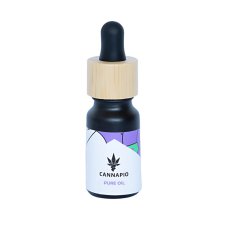
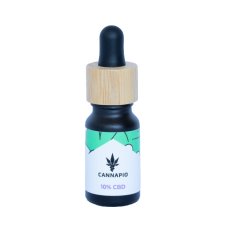
Cannapio Pure CBD 10% - natural oil, 10 ml
62,59 € excl. VAT
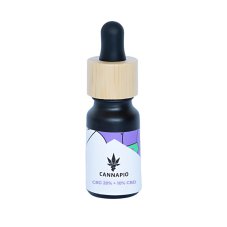
Cannapio CBG 20% + CBD 10% oil, 10 ml
116,34 € excl. VAT
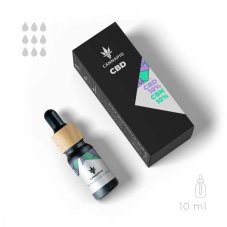
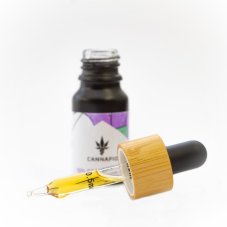
CBN 10% + CBD 10% - natural fullspectrum oil Cannapio 10 ml
34,82 € excl. VAT
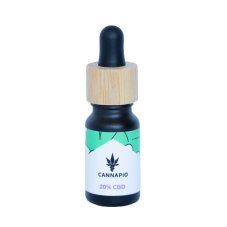
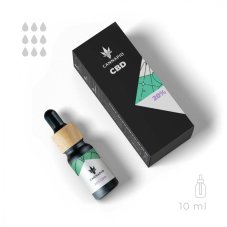
CBD Cannapio 20% - natural full-spectrum oil 10 ml
73,21 € excl. VAT
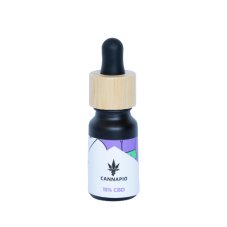
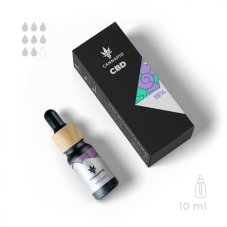
CBD Stronger 15% - natural full-spectrum oil 10 ml Cannapio
58,57 € excl. VAT
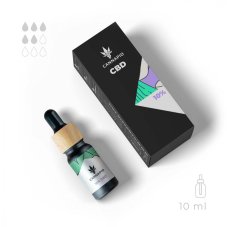
CBD Medical 10% - natural full-spectrum oil 10 ml Cannapio
35,18 € excl. VAT