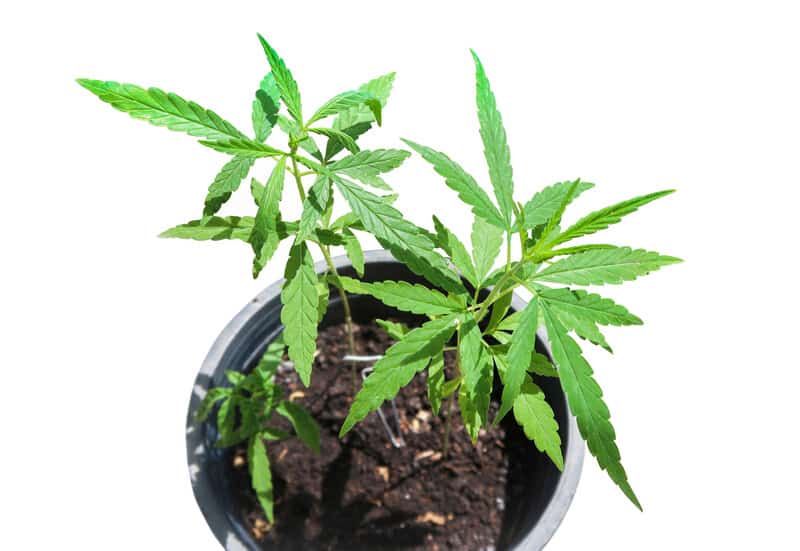
Flower pots vs. soil: What is the best medium for growing cannabis?
The Fundamental Choice: Pots vs. Soil for Cannabis Genetics
In the world of cannabis genetics collection and study, one of the most common questions concerns the optimal growing environment for bringing out the full potential of each variety. The choice between container cultivation and direct planting in soil is a crucial decision that profoundly influences the development of genetic traits, terpene profiles, and the cannabinoid expression of different strains.
Each method has specific characteristics that can either enhance or limit the genetic potential of collectible varieties. A thorough understanding of these aspects is essential for enthusiasts who want to study the genetic properties of different cultivars in their ideal growing environment.
Container Cultivation: Control and Flexibility
The use of pots and containers for developing cannabis genetics offers numerous advantages in terms of environmental control and space management. This approach proves particularly advantageous for anyone wishing to study multiple varieties simultaneously or who needs flexibility in managing their genetic collections.
Advantages of Container Cultivation
Portability is the main benefit of this method. Containers allow plants to be easily repositioned according to weather conditions, optimizing light exposure and protecting the more delicate genetics from adverse weather. This flexibility is essential for preserving the genetic integrity of rarer collectible varieties.
Size control is another crucial aspect. Container size directly influences plant development: smaller containers limit root expansion and consequently vegetative growth, while larger pots allow greater development. This feature makes it possible to study how the same genetics express themselves under different spatial conditions.
The variety of available containers offers further possibilities for experimentation. From traditional plastic pots to modern fabric containers that improve root aeration, each type of container can influence the expression of genetic traits differently.
Limitations of the Container Method
However, this approach has some significant limitations. Restricted development can prevent more vigorous genetics from fully expressing their potential. Varieties characterized by expansive growth may not fully display their distinctive properties in limited spaces.
The greater need for attention is another aspect to consider. Container plants require more frequent watering and constant monitoring of the substrate parameters, including pH control, which should be kept between 6.0 and 7.0 for optimal nutrient uptake.
Direct Cultivation in Soil: Natural Genetic Expression
Direct cultivation in the ground allows cannabis genetics to express themselves in their most natural environment, offering optimal conditions for studying the authentic characteristics of each variety. This method promotes the full development of genetic potential, making it possible to observe the actual vigor and distinctive properties of each strain.
Benefits of Natural Soil
The economic aspect is an immediate advantage of this approach. Eliminating the need to buy progressively larger containers during the growth cycle significantly reduces the costs associated with managing genetic collections.
Lower maintenance requirements are a further benefit. Natural soil provides continuous access to nutrients and moisture, reducing the frequency of watering and fertilizing. Roots can expand freely, accessing resources naturally available in the soil.
The presence of soil microorganisms is perhaps the most significant advantage. The soil's microbial ecosystem creates a complex food web that naturally supports plant development, promoting a more authentic and complete genetic expression. These beneficial microorganisms contribute to nutrient availability and the overall health of the root system.
Challenges of Soil Cultivation
The inability to reposition plants is the main limitation of this method. Once established in the ground, plants must face all environmental conditions without any possibility of protection, exposing the more sensitive genetics to potential climate stress.
Limited growth control can be problematic with particularly vigorous varieties. Some genetics may grow beyond the desired size, making it difficult to manage diverse collections within the same space.
Variable soil quality often requires significant preparatory work. Many soils need amendments to optimize pH, drainage, and nutrient content, requiring an initial investment of time and resources for substrate preparation.
Considerations for Choosing the Optimal Method
The decision between container cultivation and cultivation directly in the ground depends on multiple factors specific to each situation. Cannabis genetics enthusiasts should carefully assess the specific characteristics of the varieties in their collection, taking into account the particular needs of each strain.
Local environmental conditions play a decisive role in this choice. Areas with a stable climate and good-quality soil favor direct cultivation, while environments with variable conditions may require the flexibility offered by containers.
Study objectives significantly influence the decision. To observe the full genetic potential of a variety, cultivation in soil offers optimal conditions. To compare multiple genetics or manage extensive collections, containers provide greater control and practicality.
Both methods can produce excellent results when applied correctly, allowing full appreciation of the aromatic properties and unique genetic characteristics of each collectible variety. The key to success lies in understanding the specific needs of each genetic and choosing the method best suited to bring out its distinctive qualities.