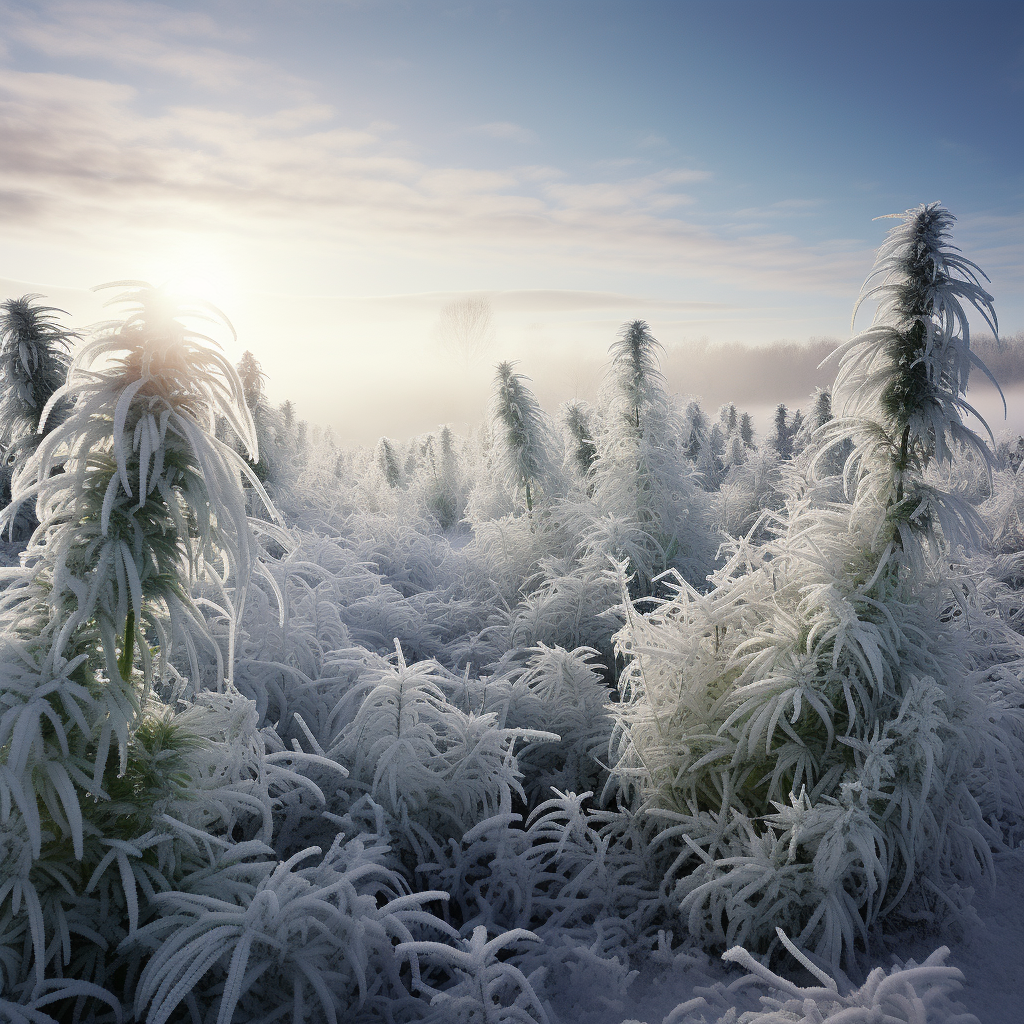
Growing Cannabis in Cold Weather: Proven Tips for Maximum Yields

Growing cannabis in cold climates is a fascinating challenge for genetics collectors looking to explore the potential of their collector's seeds under adverse conditions. Although cannabis varieties traditionally prefer warm, sunny environments, with the right techniques and the correct choice of genetics, it's possible to achieve surprising results even as temperatures drop.

This article explores the most effective methods for working with collector's cannabis seeds in cold conditions, covering everything from genetic selection to indoor growing techniques that can maximize the aromatic and chemical potential of these fascinating varieties.

The Impact of Cold Climate on Cannabis Genetics

Cannabis genetics undergo significant changes when exposed to temperatures below optimal. These changes affect not only the plant's morphological development but also its chemical and aromatic profile.

Main effects of cold on genetics:

  • Slowed metabolism: low temperatures reduce the speed of metabolic processes, affecting the synthesis of cannabinoids and terpenes
  • Modified structural development: plants tend to develop more compact structures and more intensely colored leaves
  • Altered terpene profile: cold can favor the production of certain specific terpenes, creating unique aromatic profiles
  • Increased resistance: some genetics develop greater resistance to pathogens when gradually adapted to the cold

Photosynthesis is particularly affected, since the enzymes responsible for this process work less efficiently at low temperatures. This results in reduced energy production, which the plant must compensate for through metabolic adaptations.

Selecting Cold-Resistant Genetics

Choosing the right collector's seeds is the most critical factor for success in cold conditions. Not all genetics have the same capacity to adapt to low temperatures, so it's essential to know the characteristics that define a resistant variety.

Characteristics of Cold-Adapted Genetics

Accelerated flowering period: varieties with shorter flowering cycles (7-8 weeks) have a greater chance of completing their development before conditions become too adverse. These genetics have evolved to maximize their reproductive potential within limited time windows.

Compact morphology: plants with a denser structure and thicker leaves tend to show better resistance to thermal stress. This morphology allows them to better retain heat and protect internal tissues from temperature fluctuations.

Natural fungal resistance: cold, humid climates favor the development of fungal pathogens. Genetics with natural resistance to botrytis and other common fungi are invaluable under these conditions.

Recommended Types of Genetics

Autoflowering varieties: these genetics don't depend on the photoperiod to start flowering, allowing them to complete their cycle regardless of seasonal light variations. Their robust nature and fast cycle make them excellent candidates for adverse conditions.

Indica-dominant hybrids: genetics with indica predominance tend to show greater cold tolerance due to their compact structure and evolutionary adaptation to cooler mountain climates.

High-altitude varieties: genetics originating from mountainous regions such as the Hindu Kush or certain Afghan varieties have naturally developed cold-resistance mechanisms that make them ideal for these challenges.

Advanced Techniques for Growing in Cold Weather

Indoor growing is the most effective solution for overcoming climate limitations. This method allows precise control of all environmental parameters, from temperature to humidity and lighting.

Optimizing the Indoor Environment

Temperature control: maintaining stable temperatures between 20-24°C during the day and no lower than 16°C at night is crucial. Heating systems should distribute heat evenly to avoid hot or cold spots that could stress the plants.

Managing humidity: cold outdoor climates usually bring high humidity, which must be carefully controlled indoors. Relative humidity levels between 40-60% during flowering help prevent fungal problems while keeping the plants hydrated.

Supplemental lighting: short winter days require additional artificial lighting. Full-spectrum LED lights not only provide the necessary light energy but also generate additional heat, which can be beneficial in cold conditions.

Acclimatization Techniques

Gradual adaptation: plants grown from seed can gradually acclimatize to lower temperatures, developing greater resistance over time. This process should be done slowly, reducing the temperature by 1-2°C per week.

Nutritional reinforcement: proper nutrition is especially important under stress conditions. Supplements rich in potassium and phosphorus help strengthen the plant's natural defenses against cold.

Structural protection: using greenhouses, grow tunnels, or protective structures allows for the creation of more favorable microclimates, taking advantage of the greenhouse effect to maintain more stable temperatures.

Maximizing Aromatic Profiles in Cold Conditions

Paradoxically, controlled cold stress can intensify certain aspects of the aromatic profile of cannabis genetics. Plants exposed to slightly lower temperatures during the final weeks of flowering often develop higher concentrations of specific terpenes.

Terpenes such as limonene, pinene, and myrcene can have their production altered under moderate thermal stress, creating unique aromatic profiles that aren't achieved under ideal conditions. This characteristic makes cold-weather growing a specialized technique for collectors seeking exceptional genetic expressions.

The key lies in finding the perfect balance between beneficial stress that intensifies aromas and harmful stress that can compromise the plant's overall health. This balance requires experience, careful observation, and a deep understanding of the specific genetics being grown.