How to Properly Dry Cannabis - Complete Guide for a Perfect Harvest
The Art of Drying Hemp: Preserving the Genetic Heritage
Drying hemp is a crucial moment for preserving the integrity of the genetic material and the aromatic characteristics that make every variety unique in the world of collectible seeds. This delicate process determines the final quality of the product, directly influencing the terpene profile and the preservation of the active compounds present in the genetics.
For cannabis seed collectors who want to fully understand the properties of their varieties, knowing the principles of drying becomes essential for appreciating the aromatic nuances and characteristics that set each strain apart.
The Scientific Fundamentals of Drying: Optimal Parameters
The hemp drying process follows precise scientific principles that ensure the optimal preservation of the terpene compounds and cannabinoids present in the plant material. Experts identify four key parameters:
- Controlled temperature: maintain a range of 15-21°C to preserve the volatile terpenes
- Relative humidity: 50-55% to prevent mould formation and degradation
- No direct light: protect the cannabinoids from photodegradation
- Adequate air circulation: ensure a constant exchange of air without creating excessive draughts
The chemistry of terpenes is particularly sensitive to temperature variations. Compounds such as myrcene, limonene and pinene, responsible for the characteristic aromatic profiles of each genetic, can volatilise rapidly if exposed to unsuitable conditions.
Secondary Metabolism and Preservation of Active Compounds
During drying, enzymatic processes continue that influence the final composition of the material. Cannabinoid biosynthesis gradually slows down, while the terpenes undergo transformations that contribute to the complexity of the final aromatic profile.
Drying Techniques: From Traditional to Professional
Natural Air Drying
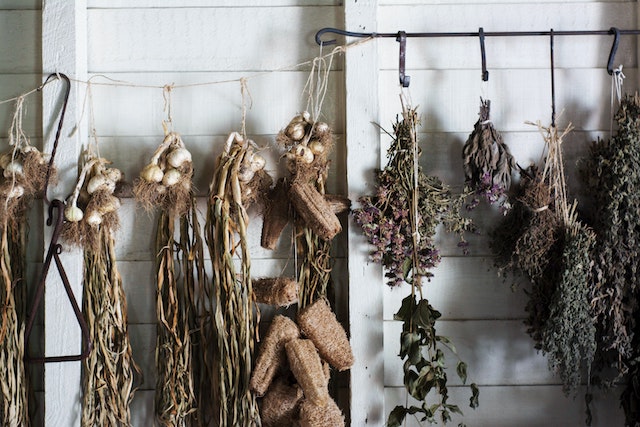
The traditional method remains the most valued technique for preserving the integrity of the genetic material. This method involves:
- Hanging the material in a controlled environment
- Using nets or structures that ensure air circulation
- Daily monitoring to prevent humidity problems
- A process time ranging from 7 to 21 days depending on size
The advantages of slow drying include the complete preservation of the terpene profile and the retention of the original organoleptic characteristics of the variety.
Accelerated Methods and Their Applications
Faster techniques exist, albeit with compromises on final quality:
Drying in a controlled oven:
- Temperatures of 60-80°C for short periods
- Partial loss of volatile terpenes
- Suitable for small quantities of study material
Professional drying systems:
- Climate-controlled chambers with automatic control
- An investment for serious collectors (€500-3000)
- Consistent, reproducible results
Freeze-drying:
- A pharmaceutical technique using sub-zero temperatures
- Maximum preservation of all components
- Used for long-term preservation of genetic material
Curing: Refining the Genetic Characteristics
The curing process is the final stage that allows the full development of the characteristic aromatic profile of each collectible variety. This refining technique significantly improves the organoleptic quality of the material.
The Professional Curing Method
The process requires precision and patience:
- Using airtight containers made of sterilised glass
- Filling to 75% of capacity to allow circulation
- Controlled opening for air exchange
- Monitoring internal humidity (58-62%)
- An optimal duration of 4-8 weeks
During curing, the remaining enzymatic processes continue to transform precursors into complex aromatic compounds, developing the olfactory notes that characterise each specific strain.
The Biochemistry of the Refining Process
Curing promotes the enzymatic conversion of chlorophyll and other compounds that could alter the flavour profile. At the same time, a slow, controlled oxidation occurs that contributes to the aromatic maturation of the material.
More experienced collectors recognise the importance of this process for fully appreciating the unique characteristics of each variety in their genetic archive.
Mastering these techniques allows for the optimal preservation of the genetic heritage represented by collectible seeds, keeping intact all the properties that make each variety a unique specimen for studying and appreciating the botanical characteristics of hemp.