
Origin of Hemp: History and Use in the Past
Join us on a journey into the past, where we'll meet one of the oldest cultural crops that has accompanied humanity for millennia. The history of hemp is rich and fascinating, and in this article, we'll look at its origin and development in different parts of the world. From ancient civilizations to the modern era, hemp has played an important role in our cultural and economic heritage.
First Use of Hemp in History
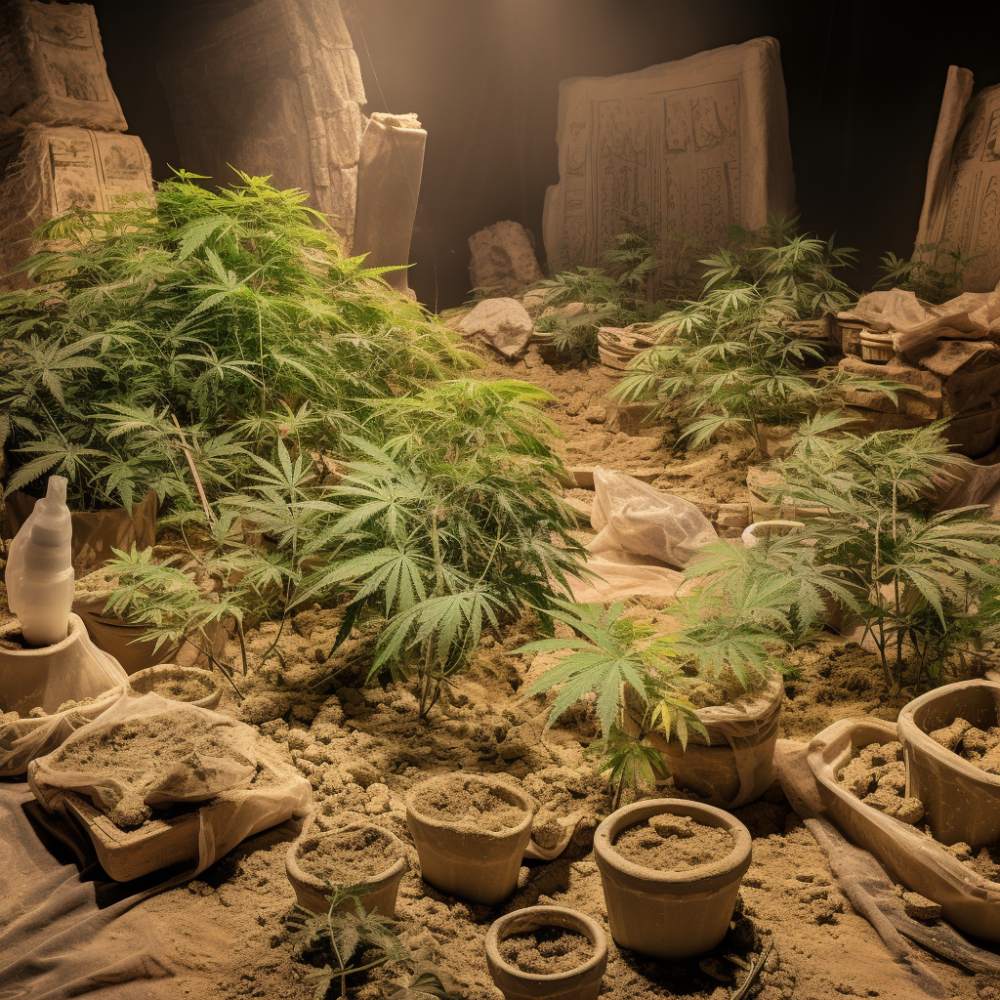
Archaeological Findings and Evidence of Hemp Cultivation in Antiquity
Imagine traveling thousands of years back in time to the period of ancient civilizations. Archaeological findings and historical sources show that hemp was one of the first plants that were deliberately cultivated for various purposes. Ancient people quickly realized its versatility and valuable properties. Archaeologists have found evidence of hemp cultivation in areas that now include China, India, the Middle East, and the Mediterranean. These cultivations date back to millennia before our era.
First Known Use of Hemp in Ancient Civilizations
Hemp was used at that time not only for its fibers, but also for its healing and ritual properties. In China, hemp was cultivated for textile material production, known for its strength and durability. In India, hemp was part of traditional medicine known as Ayurvedic medicine. Here, hemp was used to treat various diseases and as a part of rituals and religious ceremonies.
In the Mediterranean, hemp was known for its oils and seeds, which were part of the local diet. These seeds were rich in nutrients and fats. In some parts of the ancient world, hemp was also used to produce ropes, fabrics, and paper. It was a valued plant that influenced not only economics, but also the culture and traditional practices of these civilizations.
Hemp in Traditional Cultures
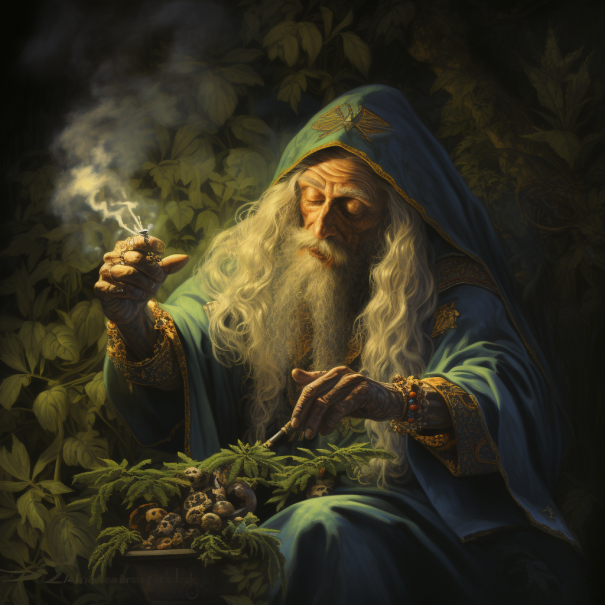
The Role of Hemp in Traditional Rituals and Healing
-
Rituals and Sacred Use: Many traditional cultures incorporated hemp into their religious and ritual ceremonies. In many cases, hemp was considered a sacred plant that enabled connection with the spiritual world. For example, in some Indian religious traditions, hemp was used to achieve a transcendent state of meditation.
-
Treatment and Medicine: Hemp was also valued in traditional cultures for its healing properties. It was used to treat various diseases and ailments, including pain, inflammation, and stress. In some African and South American cultures, leaves and roots of hemp were used as medicinal herbs that helped improve health and well-being.
The Place of Hemp in Myths and Religious Practices
-
Symbolism and Mysticism: Hemp often carried a symbolic meaning and was associated with mysticism. In some traditional myths, hemp was considered a gift from the gods and was associated with protection and magical abilities.
-
Plant Associated with Gods: In some cultures, hemp plants were considered a gift from the gods or even an incarnation of divinity. This belief led to care for hemp and its careful handling.
recommended products8

Auto Purple CBD - self-flowering seeds Cannapio Premium 10 pcs
24,20 € excl. VAT
| Version | feminized |
|---|---|
| Genotype | indica |
| Genetics | Kush Rose Auto CBD, Afghan Rose Auto CBD |

Pure Mountains CBD - feminized seeds Cannapio Premium 3 pcs
15,36 € excl. VAT
| Version | feminized |
|---|---|
| Genotype | indica |
| Genetics | Medical CBD |


Pure Mountains CBD - feminized seeds Cannapio Premium 5 pcs
15,18 € excl. VAT
| Version | feminized |
|---|---|
| Genotype | indica |
| Genetics | Medical CBD |
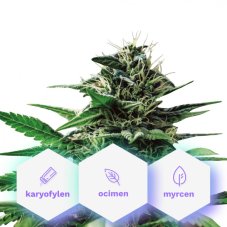

Pure Mountains CBD - feminized seeds Cannapio Premium 10 pcs
25,62 € excl. VAT
| Version | feminized |
|---|---|
| Genotype | indica |
| Genetics | Medical CBD |
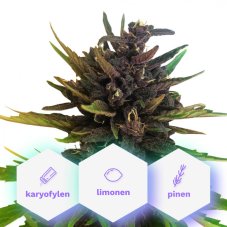

Auto Purple CBD - self-flowering seeds Cannapio Premium 3 pcs
16,52 € excl. VAT
| Version | feminized |
|---|---|
| Genotype | indica |
| Genetics | Kush Rose Auto CBD, Afghan Rose Auto CBD |


Auto Purple CBD - self-flowering seeds Cannapio Premium 5 pcs
22,68 € excl. VAT
| Version | feminized |
|---|---|
| Genotype | indica |
| Genetics | Kush Rose Auto CBD, Afghan Rose Auto CBD |
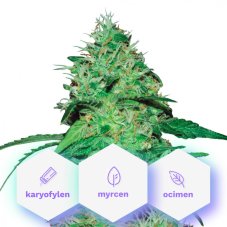

Johana CBD - feminized seeds Cannapio Premium 5 pcs
21,61 € excl. VAT
| Version | feminized |
|---|---|
| Genotype | sativa |
| Genetics | Juanita la Lagrimosa |


Royal CBDV Automatic - self-flowering seeds 3 pcs Royal Queen Seeds
19,20 € excl. VAT
| Version | feminized |
|---|---|
| Genotype | sativa |
| Genetics | Durban Poison |