
Photoperiod vs. autoflowering strains: How do they differ?
Medicinal cannabis has been cultivated for centuries due to its potential therapeutic effects and exceptionally wide range of uses (agriculture, textile industry, etc.). Over time, new varieties continue to evolve. They differ not only in their aroma or mentioned capabilities, but especially in how they grow and flower. Different cannabis varieties require different approaches and types of care.
For quite a long time, photoperiod varieties dependent on correct light cycles were at the forefront of interest, which we'll discuss more in the following paragraphs. Recently, however, autoflowering varieties of medicinal cannabis have become increasingly popular, bringing numerous advantages. What are the fundamental differences between these two types of cannabis? Which variety to choose and why? This is the topic of today's article, so let's get started...
Basic Differences, or What to Watch Out For
1. Light vs. Time
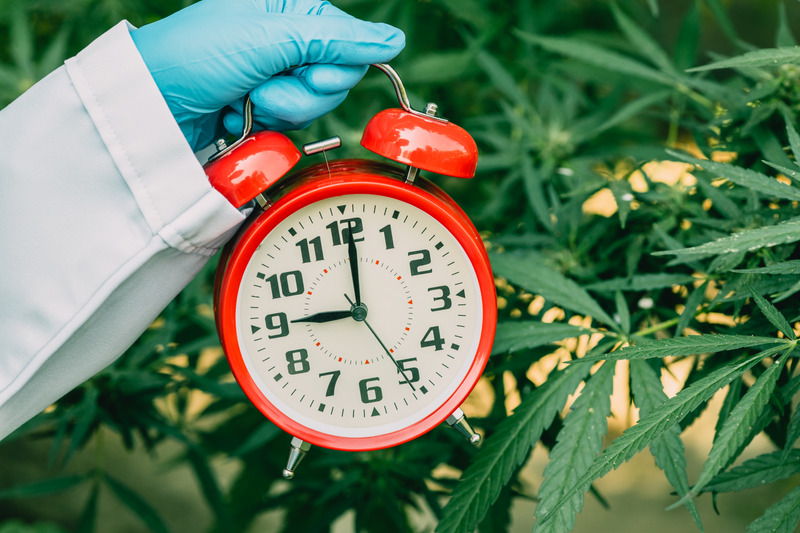
The first and crucial difference is light, specifically the correctly set and maintained light cycles, which are absolutely key when growing photoperiodic varieties. Just a few years ago, photoperiods were almost the only way to grow medicinal cannabis plants. Considerable experience and care were required.
Outdoor Cultivation
As mentioned, photoperiods depend on different types and intensities of light in various life stages. When growing photoperiodic plants, outdoor cultivation seems much easier, where these light intensity and duration changes are naturally controlled.
Indoor Cultivation
In contrast, indoor cultivation requires significant precision when changing light cycles, as the entire plant development and final harvest depends on this factor. It's important to pay attention not only to light and its correct type, but also the ideal duration of light. By changing light conditions, plants are typically "switched to flowering", moving from the vegetative (growth) phase to the flowering phase.
During the vegetative phase, plants are usually illuminated 18 hours daily, which stimulates sufficient photosynthesis, transferring plant energy into stems and leaves. When switching to flowering, the light cycle changes to 12 hours of light and 12 hours of darkness. This signals photoperiodic plants to begin reproduction, with energy shifting to plant tops where flowers develop.
And How About Autoflowering Varieties?
Completely different. In short, autoflower cannabis plant types are not regulated by light, its intensity, or duration at all. Their life cycle and individual phases are controlled by plant genetics. Their genetic makeup contains information about when is the right time to transition to the flowering phase, which is a significant advantage compared to photoperiods. It's also worth mentioning that autoflowering varieties reach the peak of their life cycle considerably earlier than other cultivar types.
[Rest of the translation follows the same approach...]