The Most Common Cannabis Pests 2/2
There are indeed many pests that can affect hemp plants. From the most common garden insects to wild forest animals. We can also include fungal diseases that may occur during plant growth or during drying. How can these pests damage medicinal hemp plants? Can pest damage be prevented? We'll discuss this and much more in today's article...
Gray Mold / Flower Mold
This Botrytis infection thrives in cold climates (at 15°C), with high air humidity, during rainy spring or humid summer weather.
Gray mold can be especially harmful when it's raining and humid, lasting for several days or weeks. The mold appears in flower crevices and is silver-gray in color. Moreover, it has an unpleasant odor and is toxic to humans.
It can also attack leaves, stems, seeds, seedlings, or any other plant parts except roots. This fungus can survive winter. As prevention for flower mold, cleanliness of the growing space alone is not enough. The mold spreads very quickly.
Solving Flower Mold on Cannabis
The best way to eliminate mold is to maintain low air humidity and ensure proper air circulation for plants. This naturally involves regular checks and immediate complete removal of infected plant parts if mold appears. NEVER try to remove mold by mechanically removing it only from the surface of the infected area.
Low humidity can slow mold formation by up to 50%. Lower air humidity is optimal, especially towards the end of the flowering phase, when the plant is most susceptible to infection.
You can also use active fungicides available as sprays or fungicide combinations. Ultraviolet radiation can also very effectively eliminate Botrytis bacteria.

Root Mold in Cannabis Plants
Root mold can be caused by several different Pythium fungus varieties and occurs primarily on plant roots. These fungi are commonly found in field soil, sand, or appear in water sediment.
Dead roots in the substrate from previous vegetation can also cause it. Therefore, it's advisable to prefer sterile new substrate. Never use substrate for more than one vegetation phase and purchase new soil after each cultivation process. This helps avoid the risk of root rot.
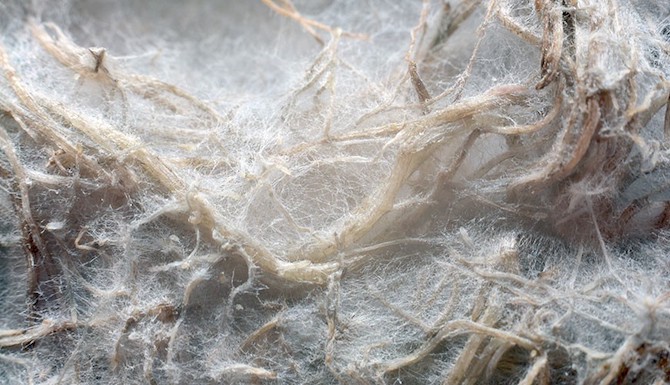
Root rot can lead to the death of the entire plant.
Caterpillars and Slugs
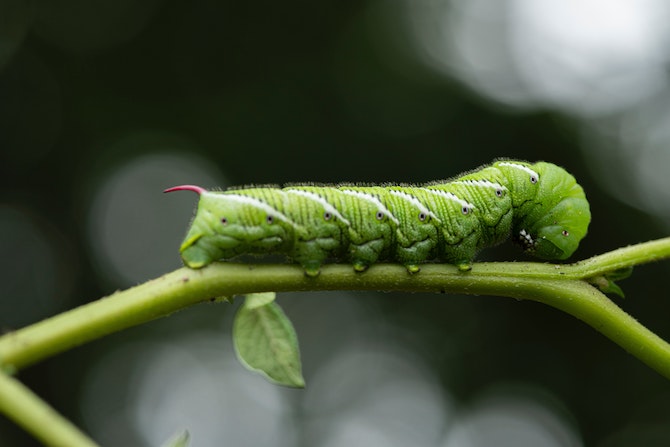
These butterfly larvae attack leaves directly and can cause significant damage in a very short time. They appear mainly during outdoor cultivation, but fortunately, due to their size, they are easily visible to the naked eye. A clear sign of caterpillar infestation is visibly chewed leaves.
How to Get Rid of Caterpillars and Slugs on Cannabis?
The most suitable approach is to mechanically remove these caterpillars from the leaves. Caterpillars are an irreplaceable source of mineral substances for the soil, so it's best to simply move them to a safer place.
Besides caterpillars, growers often encounter slugs. Cannabis is a delicious meal for them. When plants start to sag under the weight of raindrops, serious problems arise. A simple and essentially natural solution is beer. Yes, you read that correctly. Pouring it into a cup and burying it near cannabis plants ensures that slugs will jump in and drown.