
10 Important Facts About Cannabis and Its Impact on Sleep
In this article, we'll take a look at 10 key facts about hemp and its impact on sleep, to thoroughly familiarize you with how this plant can influence the quality of your rest and support healthy sleep.
What is Hemp and How Does it Affect Our Sleep

Hemp is a plant with a long history of use for various purposes, including medical and recreational. Its key component are cannabinoids, natural compounds that interact with the endocannabinoid system in our body. This system plays a crucial role in regulating many physiological functions, including sleep.
Interaction Between Cannabinoids and the Body's Endocannabinoid System
The endocannabinoid system consists of receptors, enzymes, and endocannabinoids that the body produces itself. Cannabinoids found in hemp, such as THC and CBD, imitate these endocannabinoids and can bind to receptors in this system. In this way, they influence various biological processes, including sleep.
The Impact of Cannabinoids on Sleep and Sleep Quality
Cannabinoids can have a diverse impact on sleep and sleep quality depending on their type and dosage. For example, THC, known for its psychoactive effects, can shorten the time needed to fall asleep, but can also reduce sleep depth and REM phase, which can affect rest quality. CBD, on the other hand, can have relaxation effects that help calm and comfort, which can contribute to improving sleep.
Studies and research in the area of cannabinoids and sleep are still ongoing, and therefore our understanding of this interaction is continuously deepening. When exploring the impact of hemp on sleep, it's important to consider various factors such as type of cannabinoids, dosage, individual responses, and other circumstances.
recommended products8
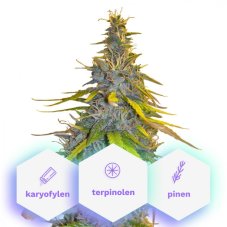

Zenergy CBD - 5pcs feminized Cannapio seeds
21,61 € excl. VAT
| Version | feminized |
|---|---|
| Genotype | sativa, indica |
| Genetics | Candida |
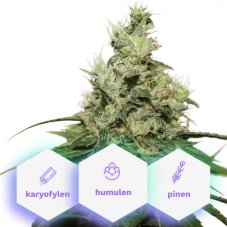

Origin CBG - auto-flowering seeds 10 pcs Cannapio
24,91 € excl. VAT
| Version | feminized |
|---|---|
| Genotype | indica |
| Genetics | Candida |


Origin CBG - auto-flowering seeds 3 pcs Cannapio
15,36 € excl. VAT
| Version | feminized |
|---|---|
| Genotype | indica |
| Genetics | Candida |


Wellness CBD - 10 pcs feminized seeds Cannapio
24,91 € excl. VAT
| Version | feminized |
|---|---|
| Genotype | fifty-fifty |
| Genetics | Candida |
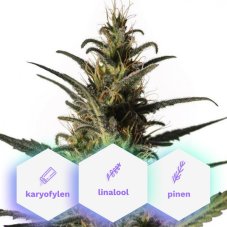

Wellness CBD - feminized seeds 5 pcs Cannapio
21,61 € excl. VAT
| Version | feminized |
|---|---|
| Genotype | fifty-fifty |
| Genetics | Candida |
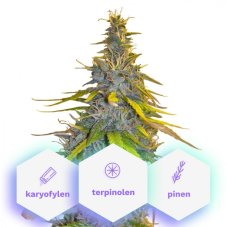

Zenergy CBD - feminized seeds 10 pcs Cannapio
35,54 € excl. VAT
| Version | feminized |
|---|---|
| Genotype | sativa |
| Genetics | Candida |


Infinity CBD - 5 pcs of feminized Cannapio seeds
15,18 € excl. VAT
| Version | feminized |
|---|---|
| Genotype | sativa |
| Genetics | Candida |

Cannabis Light - feminized seeds 5pcs Ministry of Cannabis
37,77 € excl. VAT
| Version | feminized |
|---|---|
| Genotype | sativa |
| Genetics | CBD rich strain |