
Cannabis in Germany
Medical Cannabis in Germany
On May 4, 2016 the German federal government approved legislation allowing cannabis use for seriously ill patients who consulted with a doctor and "have no other therapeutic alternative". The German Minister of Health Hermann Gröhe submitted a draft law on medical cannabis legalization that came into effect on March 10, 2017. Licenses will be granted to medical cannabis cultivation companies by the "Federal Institute for Drugs and Medical Devices".
Germany, which legalized medical cannabis in 2017, currently has an estimated 128,000 patients treated with cannabis. Last year, more than 9,000 kilograms of cannabis were imported from countries such as Canada and Netherlands for study purposes or for sale in German medical pharmacies for medicinal cannabis products.
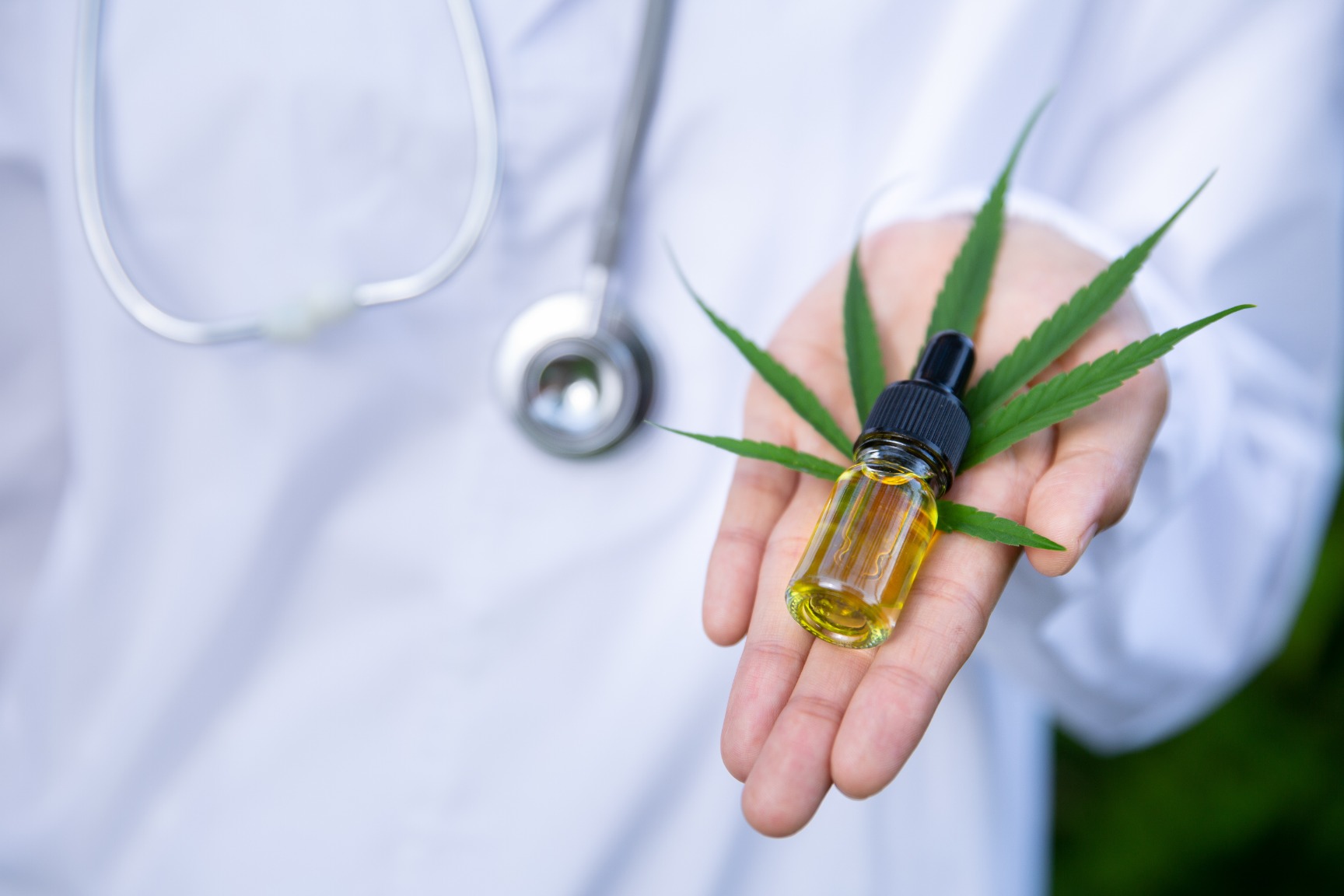 Currently, an estimated 128,000 patients in Germany are being treated with cannabis, and these numbers are growing every year
Marijuana Legalization in Germany - 2022
The obstacles the country faces in recreational cannabis legalization are numerous. The pandemic, increased living costs, and the Russian war against Ukraine are factors that burden politicians seeking cannabis legalization, such as the Social Democrats (SPD), Greens, and Free Democrats (FDP) – a three-party coalition that came to power at the end of 2021, also known as the "traffic light coalition". This trio decided that in Germany, not only consumption will soon be legal, but also possession and sale of cannabis.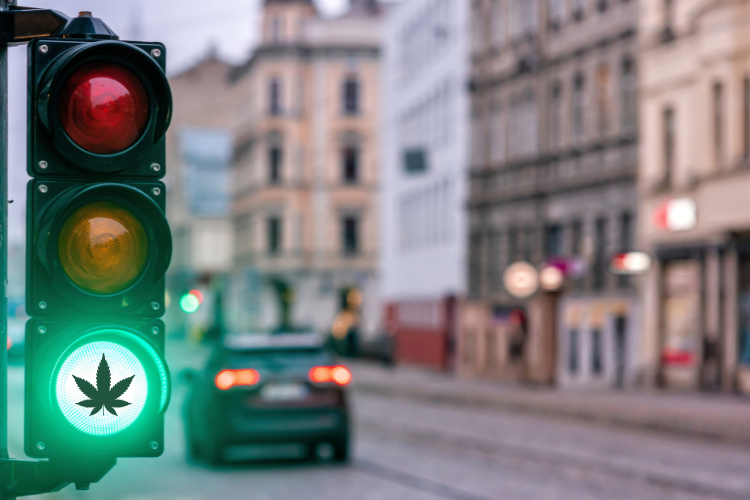 Germany plans to legalize consumption, possession, and sale of cannabis in early 2023
... [rest of the text continues in the same translation style]