
CBG: What you should know about its side effects
CBG, often referred to as the "mother" cannabinoid, is one of the many effective compounds found in cannabis. Its therapeutic potential, which includes anti-inflammatory effects and the ability to fight bacteria, makes it an attractive option for many people seeking alternative treatment methods. However, like any substance, it comes with potential side effects. Can CBG cause fatigue? Can it affect the effectiveness of other medications? And does CBG have more adverse side effects than CBD? If you're considering adding CBG to your lifestyle, continue reading this article.
What is CBG?
.png)
CBG, short for cannabigerol, is one of the more than a hundred cannabinoids contained in the cannabis plant. Cannabinoids are chemical compounds that act on the endocannabinoid system in the human body, and therefore can have a range of therapeutic effects.
CBG is often referred to as the "mother" cannabinoid, because many other cannabinoids develop from it, including THC and CBD. Cannabigerolic acid (CBGA) accumulates in young cannabis plants. As the plant matures, enzymes in the plant convert CBGA into one of the main cannabinoid acids - THCA, CBDA, and CBCA. After this conversion is complete, the remaining CBGA can be decarboxylated into CBG.
Difference between CBG, CBD, and THC:
- CBG: CBG is considered a precursor to many other cannabinoids. It has weaker psychoactive effects and is known for its anti-inflammatory and antibacterial properties.
- CBD: is a non-psychoactive cannabinoid known primarily for its therapeutic effects, especially against epilepsy, anxiety, and pain.
- THC: is the main psychoactive substance in cannabis, which brings users a feeling of euphoria.
recommended products8


Enecta CBG oil 5%, 500 mg, 10 ml
25,98 € excl. VAT

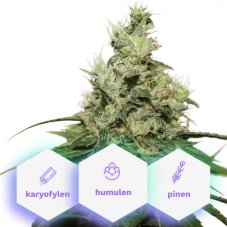
Origin CBG - auto-flowering seeds 5 pcs Cannapio
21,61 € excl. VAT
| Version | feminized |
|---|---|
| Genotype | indica |
| Genetics | Candida |

Origin CBG - auto-flowering seeds 10 pcs Cannapio
24,91 € excl. VAT
| Version | feminized |
|---|---|
| Genotype | indica |
| Genetics | Candida |


Origin CBG - auto-flowering seeds 3 pcs Cannapio
15,36 € excl. VAT
| Version | feminized |
|---|---|
| Genotype | indica |
| Genetics | Candida |
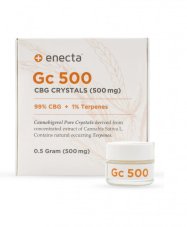
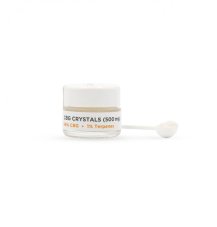
Enecta CBG crystals 99%, 500 mg
38,48 € excl. VAT

CBG-Force® - feminized seeds 5pcs Dutch Passion
57,14 € excl. VAT
| Version | feminized |
|---|---|
| Genetics | CBG rich variety |

CBG-Force® - nasiona feminizowane 3pcs Dutch Passion
38,04 € excl. VAT
| Version | feminized |
|---|---|
| Genetics | CBG rich variety |

CBD Tricomplex 15% - CBD/CBG/CBN 10 ml
53,30 € excl. VAT