Hemp soaked in alcohol as a balm, instead of Alps?
The world of therapeutic cannabis offers surprising natural solutions, among which a traditional Mexican preparation stands out: cannabis balm macerated in alcohol. This natural remedy, passed down through generations in indigenous communities of Central and South America, represents an interesting alternative to commercial products for the topical treatment of muscle and joint pain.
Alcoholic maceration allows for the effective extraction of cannabinoids and terpenes from the plant material, creating a concentrated tincture intended exclusively for external use. This preparation method preserves the plant's chemical properties, keeping intact the active compounds responsible for its analgesic and anti-inflammatory characteristics.
Mechanism of action and properties of cannabis
The way this preparation works is based on the interaction between the extracted phytocannabinoids and our endocannabinoid system. This complex receptor system, present throughout the body including the skin, recognizes and uses cannabinoids to modulate various physiological functions.
CBD-rich strains are particularly valued for these topical preparations, thanks to their anti-inflammatory profile and the soothing properties that characterize this particular genetics. Cannabidiol, in fact, is known for its ability to interact with skin receptors without producing psychoactive effects.
Skin application allows for a localized distribution of active ingredients, concentrating the therapeutic action precisely in the areas that need treatment. The terpenes present in cannabis, such as myrcene and limonene, also contribute to the preparation's effectiveness through the so-called "entourage effect," enhancing the action of the main cannabinoids.
Traditional preparation of the balm
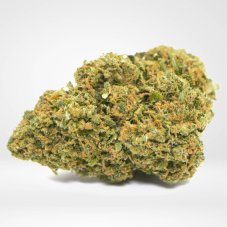
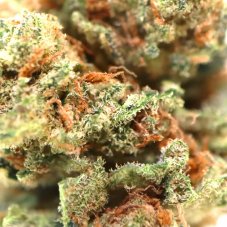
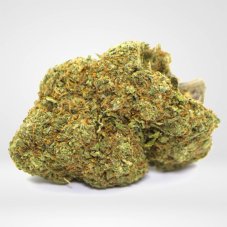
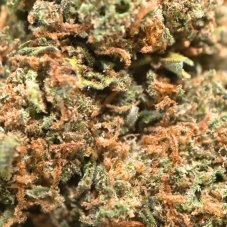
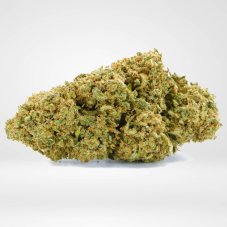
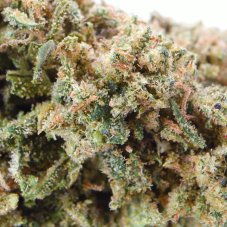
The traditional Mexican recipe calls for the use of high-quality cannabis genetic material, preferably from collector strains selected for their particular chemical profile. The preparation requires patience and attention to detail to achieve an effective final product.
Necessary ingredients
- Cannabis plant material, dried and cured
- Ethyl alcohol of high proof (95% vol.)
- Complementary herbs such as arnica, turmeric, ginger, or St. John's wort
- Sterilized dark glass containers
- Filters or cheesecloth for the final separation
Maceration process
The extraction process begins with the coarse grinding of the plant material, an operation that increases the contact surface with the alcoholic solvent. The mixture is then transferred into dark glass containers, which protect light-sensitive compounds from photodegradation.
The maceration phase takes 4 to 6 weeks, during which it is essential to shake the contents daily to promote the complete extraction of the active ingredients. Room temperature must remain constant, avoiding temperature fluctuations that could compromise the quality of the final product.
At the end of the maceration period, careful filtration separates the extracted liquid from the spent plant material. The final product has a characteristic green-amber color, indicating the presence of extracted chlorophyll and cannabinoids.
Applications and methods of use
The resulting balm is used for the topical treatment of various musculoskeletal issues. The application methods vary depending on the type and intensity of the condition being treated.
Treatment of muscle tension
For acute muscle tension, application should be frequent and targeted. It is recommended to spread a small amount of the product over the affected area, gently massaging until fully absorbed. The presence of alcohol facilitates skin penetration and produces an initial cooling sensation.
The muscle-relaxing properties associated with certain cannabis genetics manifest through a gradual reduction in muscle tension in the treated area. The effect develops progressively, requiring repeated applications to achieve maximum effectiveness.
Support for joint pain
In the case of joint pain, application should cover not only the joint itself but also the surrounding tissue. The penetration of cannabinoids through the skin reaches deeper tissues, where it can exert its modulating action on inflammatory processes.
Genetics rich in anti-inflammatory terpenes such as beta-caryophyllene show particular affinity for this type of application, thanks to their ability to interact directly with CB2 receptors present in peripheral tissues.
Safety and storage considerations
Proper storage of the balm is essential to maintain its effectiveness over time. The product should be stored in airtight containers, away from direct light and at a controlled temperature. The high alcohol concentration acts as a natural preservative, preventing microbial growth.
It is essential to clearly label the product, specifying "EXTERNAL USE ONLY" and the preparation date. This is particularly important given that the preparation looks similar to tinctures intended for internal use.
The quality of the starting material directly affects the effectiveness of the final product. Using collector seeds from certified strains ensures a stable and predictable chemical profile, essential elements for achieving consistent results.
Before use, it is always advisable to perform a skin compatibility test by applying a small amount of the product to a limited area of skin and observing any reactions over the following 24 hours.