
High CBG Hemp
Although you may not have heard of CBG, people have been enjoying its benefits for thousands of years. First synthesized in 1964 along with THC, it has been intensively studied for its therapeutic potential. Often called the "mother of all cannabinoids", without it, cannabis would have no effect. CBG (cannabigerol) is more than just a building block for THC and CBD. It is believed to have important therapeutic effects on its own.
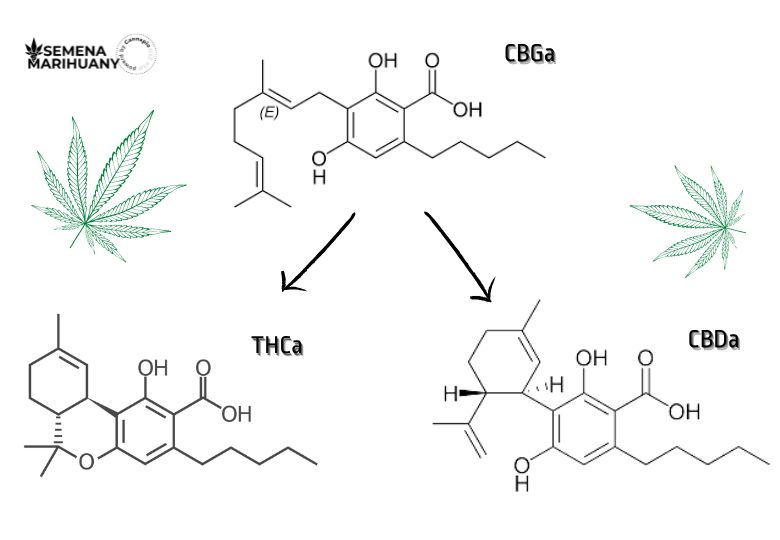
Origin of CBG
As young cannabis plants mature and begin to flower, various enzymes and compounds combine to create the CBG precursor - CBGa (cannabigerolic acid). CBGa is the building block for cannabinoids; as the plant approaches the end of its growth cycle and absorbs more UV radiation, CBGa breaks down and converts into THCA and CBDA, the acidic precursors of our two most significant cannabinoids, THC and CBD.
CBG in Cannabis Plants
Because CBG is not abundant in most strains, breeders began crossbreeding plants to achieve higher levels of this cannabinoid.
CBG, like CBD, is non-toxic and despite its connection to THC, does not produce intoxication.
If not specifically bred, in most cases only a very small amount changes to CBG - usually less than 1%, in many varieties even less than 0.1%. Cannabis must be capable of producing CBG in large quantities to subsequently produce THC and CBD in high amounts. Therefore, CBG is currently considered one of the most important cannabinoid compounds.
Medical Use of CBG
Cannabigerol is currently being studied for its potential pharmacological capabilities. Although the plant itself is over a thousand years old, research is still in its early stages and everything we know is just the tip of the iceberg. A 2021 patient survey showed that most patients consider CBG-dominant products effective in treating chronic pain, anxiety, and insomnia.
Although gaps in CBG research still exist, initial findings suggest numerous health benefits:
- Rat studies showed it stimulates appetite. This can help stimulate appetite in chronically ill patients or those who lost appetite due to cancer or AIDS treatment.
- CBG acts as an antibacterial agent, even against drug-resistant bacterial strains.
- Helps reduce intraocular pressure and acts as a vasodilatory neuroprotectant; making it a promising treatment option for glaucoma.
- Showed anti-inflammatory properties when tested on mice with induced colitis, potentially offering an effective treatment for various inflammatory bowel diseases.
- Research on mice with Huntington's Disease showed that CBG protects neurons and slows disease progression.
- Acts as an alpha-2 receptor agonist, primarily located in the nervous system, which regulates blood pressure and heart rate and sympathetic nervous system activity. By inhibiting these, CBG may address ADHD symptoms.
- CBG has high potential as a cancer inhibitor, including breast, stomach, and colon cancer cells, and even glioblastoma brain tumors.
What is the Difference Between CBD and CBG Effects?
At first glance, CBG might seem like a variation of CBD, as both are non-intoxicating and show similar anti-inflammatory properties. However, key differences can change how each is consumed.
CBG and CBD do not bind to the same receptors and differ at the molecular level. Because CBG can bind to the same receptors as THC, it may potentially address neurological system issues, including previously mentioned conditions like glaucoma, migraines, muscle pain, and appetite stimulation.
CBD, on the other hand, may be more effective for immunity-related conditions and mood disorder regulation.
Given CBG's legality and availability, researchers might now gain access to funding to continue studying this special cannabinoid's full potential. The best of CBG research is yet to come!
recommended products8


Enecta CBG oil 5%, 500 mg, 10 ml
25,98 € excl. VAT

Origin CBG - auto-flowering seeds 5 pcs Cannapio
21,61 € excl. VAT
| Version | feminized |
|---|---|
| Genotype | indica |
| Genetics | Candida |
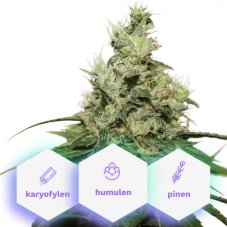

Origin CBG - auto-flowering seeds 10 pcs Cannapio
24,91 € excl. VAT
| Version | feminized |
|---|---|
| Genotype | indica |
| Genetics | Candida |


Origin CBG - auto-flowering seeds 3 pcs Cannapio
15,36 € excl. VAT
| Version | feminized |
|---|---|
| Genotype | indica |
| Genetics | Candida |
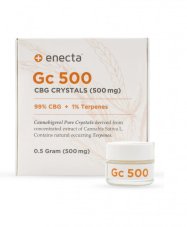
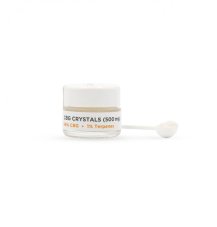
Enecta CBG crystals 99%, 500 mg
38,48 € excl. VAT

CBG-Force® - feminized seeds 5pcs Dutch Passion
57,14 € excl. VAT
| Version | feminized |
|---|---|
| Genetics | CBG rich variety |

CBG-Force® - nasiona feminizowane 3pcs Dutch Passion
38,04 € excl. VAT
| Version | feminized |
|---|---|
| Genetics | CBG rich variety |

CBD Tricomplex 15% - CBD/CBG/CBN 10 ml
53,30 € excl. VAT