
Kratom Effects: What Is Kratom and How Does It Work?
In short: Kratom (Mitragyna speciosa) is an evergreen tree from Southeast Asia whose leaves contain alkaloids that act on the body and mind. Red vein leaves hold more 7-hydroxymitragynine and are described as calming, white vein leaves contain less and are described as stimulating. In the Czech Republic kratom is sold only as a collector's item.
| Botanical name | Mitragyna speciosa, Rubiaceae family |
|---|---|
| Origin | Indonesia, Malaysia, Thailand, Papua New Guinea, Myanmar – tropical forests and wetlands |
| Key alkaloid mentioned | 7-hydroxymitragynine (higher in red vein, lower in white vein) |
| Main types | Red, green, white, yellow vein; Maeng Da, Bali, Malay |
| Forms of use | Chewed leaves, tea, powder in drinks, capsules, drop or solid extracts |
| Legal status (Czech Republic) | Sold only as a collector's item; similar limits in Canada and Germany |
Legal status of cannabis in the European Union (as of 25 September 2026)
- The EU has no single cannabis law: it sets a common framework for hemp farming, trade and drug trafficking, while recreational use is regulated by each Member State.
- CBD lawfully produced in one Member State may in principle be sold in another; a national ban is allowed only if it is suitable to protect public health and does not go beyond what is necessary. The Court held that such CBD is not a narcotic drug under the 1961 Single Convention (Articles 34 and 36 TFEU, Case C-663/18 Kanavape, paras 76 and 96).
- Industrial hemp qualifies for CAP direct payments only if the THC content of the variety does not exceed 0.3 % (Art. 4(4) Regulation (EU) 2021/2115); THC control methods are set by the Commission (Art. 60(4)(a) Regulation (EU) 2021/2116).
- Member States may restrict how hemp is grown, for example ban indoor hydroponic cultivation, if the restriction is suitable and proportionate for protecting public health (Case C-793/22 Biohemp Concept, 4 October 2024).
- Member States must make intentional unlawful cultivation of cannabis plants and drug trafficking a criminal offence (Art. 2(1)(b) Framework Decision 2004/757/JHA, as quoted in Case C-271/23).
- Rules on recreational cannabis differ widely: Germany allows adults to possess up to 25 g in public, 50 g at home and three plants (§ 3 and § 9 KCanG), while in Czechia personal use becomes a criminal offence only above 5 plants, 200 g at home or 50 g elsewhere, and plants with up to 1 % THC are excluded (§ 285 Czech Criminal Code).
“Články 34 a 36 SFEU musí být vykládány v tom smyslu, že brání vnitrostátní právní úpravě, která zakazuje uvádět na trh CBD, který je legálně vyprodukován v jiném členském státě, v případě, že je extrahován z celé rostliny cannabis sativa, a nikoli pouze z jejích vláken a semen, ledaže je tato právní úprava s to zaručit naplnění cíle ochrany veřejného zdraví a nepřekračuje meze toho, co je k dosažení tohoto cíle nezbytné.”
[Translation: “Articles 34 and 36 TFEU must be interpreted as precluding national legislation which prohibits the marketing of CBD lawfully produced in another Member State when it is extracted from the Cannabis sativa plant in its entirety and not solely from its fibre and seeds, unless that legislation is appropriate for securing the attainment of the objective of protecting public health and does not go beyond what is necessary for that purpose.”]
This overview is based on legislation and case law in the legal database Europaius. It is not legal advice.
Kratom, also known as Mitragyna speciosa, is an evergreen tree native to Southeast Asia. Its leaves contain substances that can have various effects on the body and mind.
What is Kratom?

Kratom (Mitragyna speciosa) is an evergreen tree native to Southeast Asia, belonging to the rubiaceae family. Its leaves contain active substances, especially alkaloids, which can influence the human organism. Kratom is traditionally used in several Asian countries for its diverse effects.
- Kratom's Origin: Kratom is primarily native to Indonesia, Malaysia, Thailand, Papua New Guinea, and Myanmar. It grows mainly in tropical forests and wetlands, where it has suitable climatic conditions for its thriving growth.
- Traditional Use: Kratom has a long history of traditional use in Asian cultures. People in these regions traditionally consumed Kratom leaves for their stimulating or sedative effects. It was used in various rituals and as a means to combat fatigue and improve mood.
- History in the Western World: In the 20th century, Kratom began to enter the awareness of the Western world. Although it was considered legal in many countries, debates about its safety and effects started to emerge.
- Current Status: Today, Kratom is of interest to millions of people seeking alternative forms of health support. There are various types of Kratom, each with different effects, which contributes to its popularity. However, questions regarding safety, regulation, and ethics continue to spark discussions.
The development of Kratom transcends cultural and continental boundaries, and its presence in today's world provides us with an interesting insight into its history and use in different parts of the world.
Different Types of Kratom

Red Vein
Leaves with a prominent red vein color due to higher content of 7-hydroxymitragynine alkaloid.
- Provides a calm and relaxing feeling.
- Supports rest and improves sleep quality.
- May help relieve pain, offering overall relief.
Green Vein
Leaves with greenish veins, considered balanced between red and white Kratom.
- Offers a moderate effect between relaxation and energy boost.
- Supports better concentration and provides mild analgesia, helping with pain relief.
White Vein
Leaves with white veins, indicating lower content of 7-hydroxymitragynine.
- Provides an energetic and stimulating effect.
- Increases alertness and supports activity.
- May contribute to mood improvement, creating a positive atmosphere.
Yellow Vein
Yellow or golden vein color.
- Combines elements of red, green, and white Kratom.
- Provides a balanced effect of relaxation and energy boost, offering a unique experience.
Maeng Da Kratom
Hybrid variety with a distinctive and strong effect.
- Extremely powerful stimulating effect.
- Supports endurance and energy vitality.
- May help with pain and anxiety, providing a significant experience for experienced users.
Bali Kratom
Originating from the Indonesian island of Bali.
- Offers a strong relaxing effect.
- May help with pain and insomnia, providing a sense of well-being and relaxation.
Malay Kratom
Originating from Malaysia.
- Energetic effect with long-lasting effectiveness.
- May support better mood and mental clarity, creating a dynamic experience.
Each type of Kratom brings its own distinctive properties and effects, enhanced by its specific alkaloid content.
Kratom Effects by Color
Green Kratom
- Sleep
- Relaxation and Pain Relief
- Energy and Stimulation
- Mood

Red Kratom
- Sleep
- Relaxation and Pain Relief
- Energy and Stimulation
- Mood

White Kratom
- Sleep
- Relaxation and Pain Relief
- Energy and Stimulation
- Mood

Yellow Kratom
- Sleep
- Relaxation and Pain Relief
- Energy and Stimulation
- Mood

Kratom Consumption Methods

Leaves:
- Traditional method: In Southeast Asian cultures, Kratom leaves are traditionally chewed or prepared into tea, allowing direct interaction with the plant.
- Modern ways: Leaves can be dried and ground into powder, which facilitates consumption and enables use in various forms.
Powder:
- Mixing with beverage: Consumers often mix powder with water, juice or other drinks for quick and easy intake.
- Capsules: Powder is also available in capsule form, providing precise dosing and convenience for those preferring standardized amounts.
Extracts:
- Concentrated forms: Kratom extracts are available in drop or solid extract form, offering the possibility of quick and more intense effects.
Is Kratom Legal?
In the Czech Republic, Kratom is legally sold only as a collector's item. This means that its sale is not focused on further processing or consumption. Similar approaches are taken by other countries, such as Canada and Germany, where sales are permitted with limited use.
Articles on our blog serve only as an informational source and are not aimed at promoting illegal consumption or cultivation of illegal substances.
recommended products6
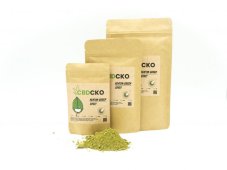
Premium Green Spirit Kratom, CBDcko 10g
3,14 € excl. VAT
Premium Pure Red Kratom, CBDcko 25g
4,79 € excl. VAT
Premium Pure Red Kratom, CBDcko 10g
3,14 € excl. VAT
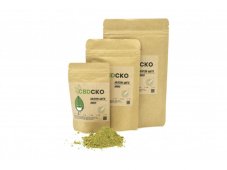
Premium White Kratom Nano, CBDcko 25g
4,79 € excl. VAT
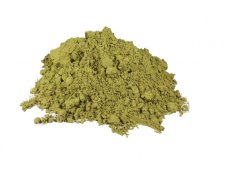

Premium White Kratom Nano, CBDcko 10g
3,14 € excl. VAT
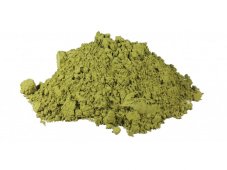
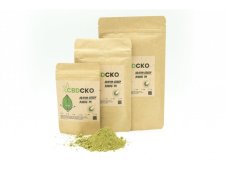
Green Kratom, Maeng Da, CBDcko 10g
3,14 € excl. VAT